BTS Returned to SoFi. Rodrigo Built a Counterargument.
BTS's first full-group shows in four years and Olivia Rodrigo's $20M festival say the same thing about live music in 2026.

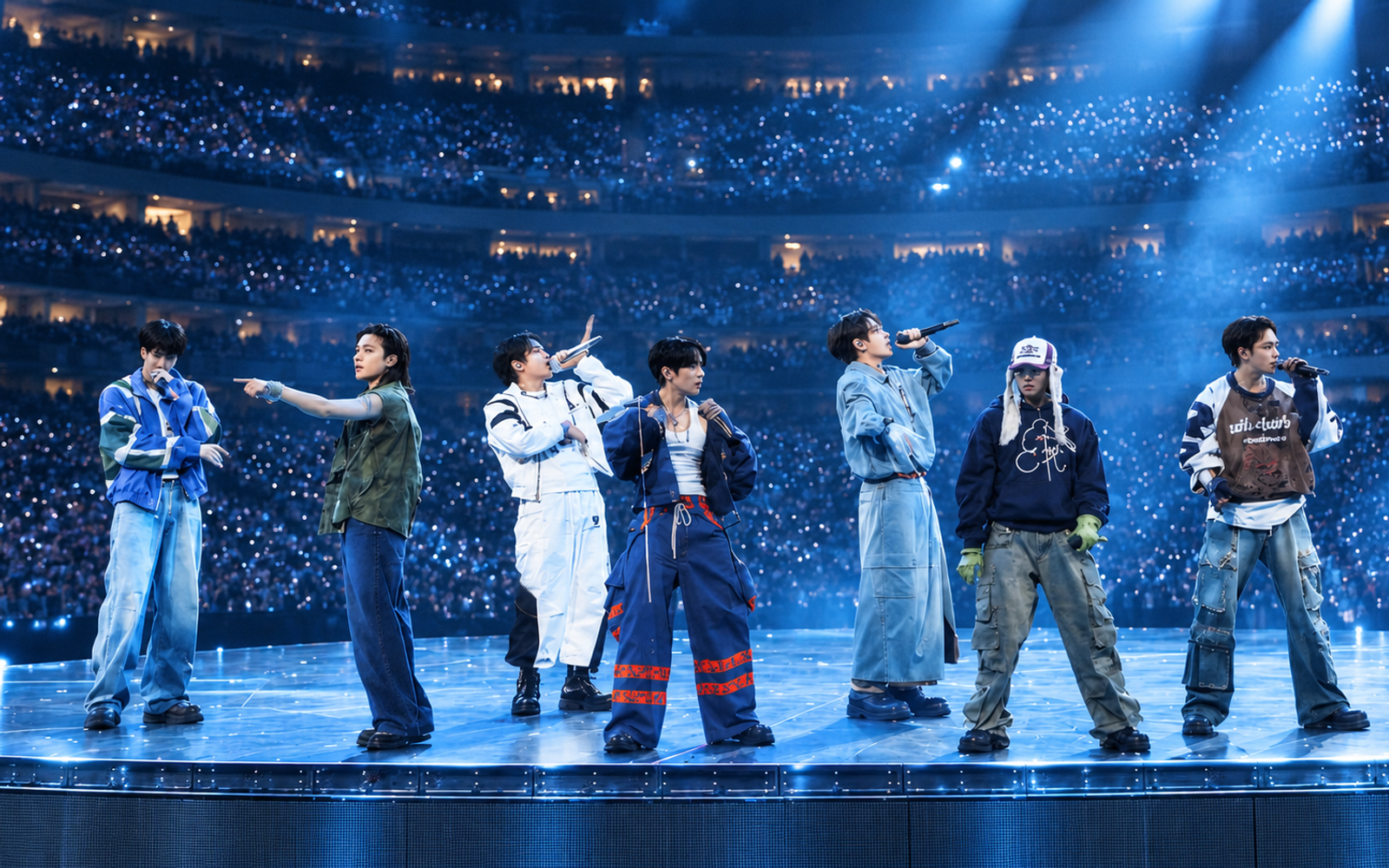
Tonight, BTS walks onto the SoFi Stadium stage for the first of four sold-out nights, and the opening song will land differently than it did four years ago. The group is back as seven after a hiatus that swallowed a generation's attention span, with a comeback single that arrived in March and a world tour called ARIRANG that has been rolling since April. The Los Angeles shows cap the North American leg, which is a polite way of saying the biggest room comes last.
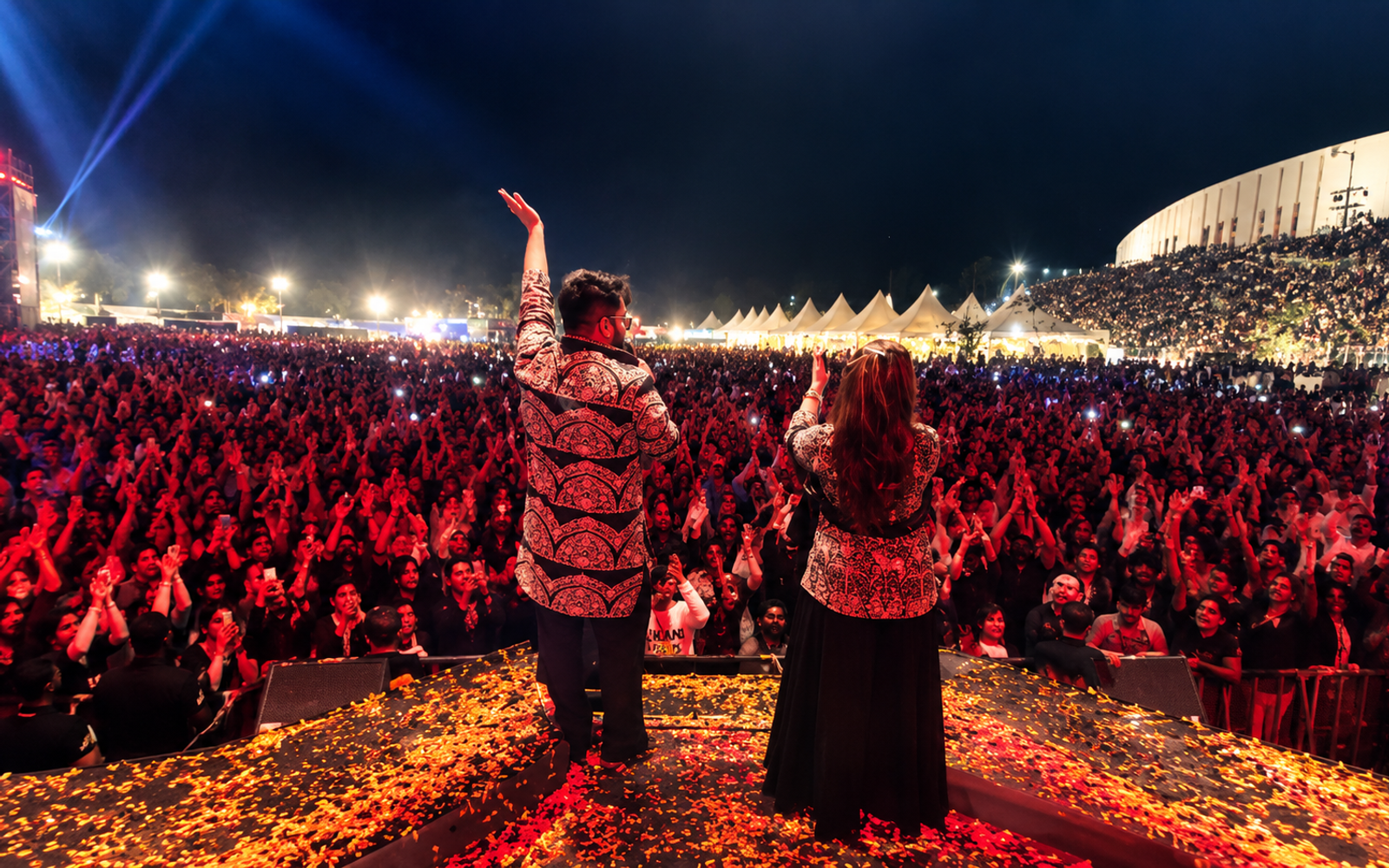
The same weekend, forty-five thousand people packed Great Park in Irvine for Olivia Rodrigo's inaugural Daisy Chain Fields festival, an all-women lineup that raised twenty million dollars for charities supporting women and girls. On the surface the two events have nothing in common: one is a stadium reunion built on a decade of history, the other is a brand new festival assembled in two months. But together they answer the same question, what live music is actually for in 2026, and the answer is stranger and more hopeful than either event on its own.
The Tour Named After Longing
The tour's title does most of the explaining. ARIRANG is a Korean folk song built on parting and the ache of reunion, which makes it the most honest tour name in pop history. Most reunion tours brand themselves as victory laps, the band returning to collect what it's owed. BTS named its comeback after the separation itself, and the shows have been built to match: the group is selling continuity, the one thing the rest of the industry treats as impossible.
The four-year gap is the interesting part because it turned a comeback into a test. Mandatory military service took each member in sequence, and for most groups that sequence is a slow fade dressed up as a pause. The catalog kept streaming, the fandom kept the calendar, and the reunion was always going to be enormous because the departure was so heavily documented. And the gamble paid off: according to The Hollywood Reporter, the 2026-2027 run spans seventy-nine shows across five continents, with four sold-out nights at SoFi alone. BTS just proved that absence, managed correctly, can be a growth strategy rather than an ending.
The Festival That Didn't Wait for Permission
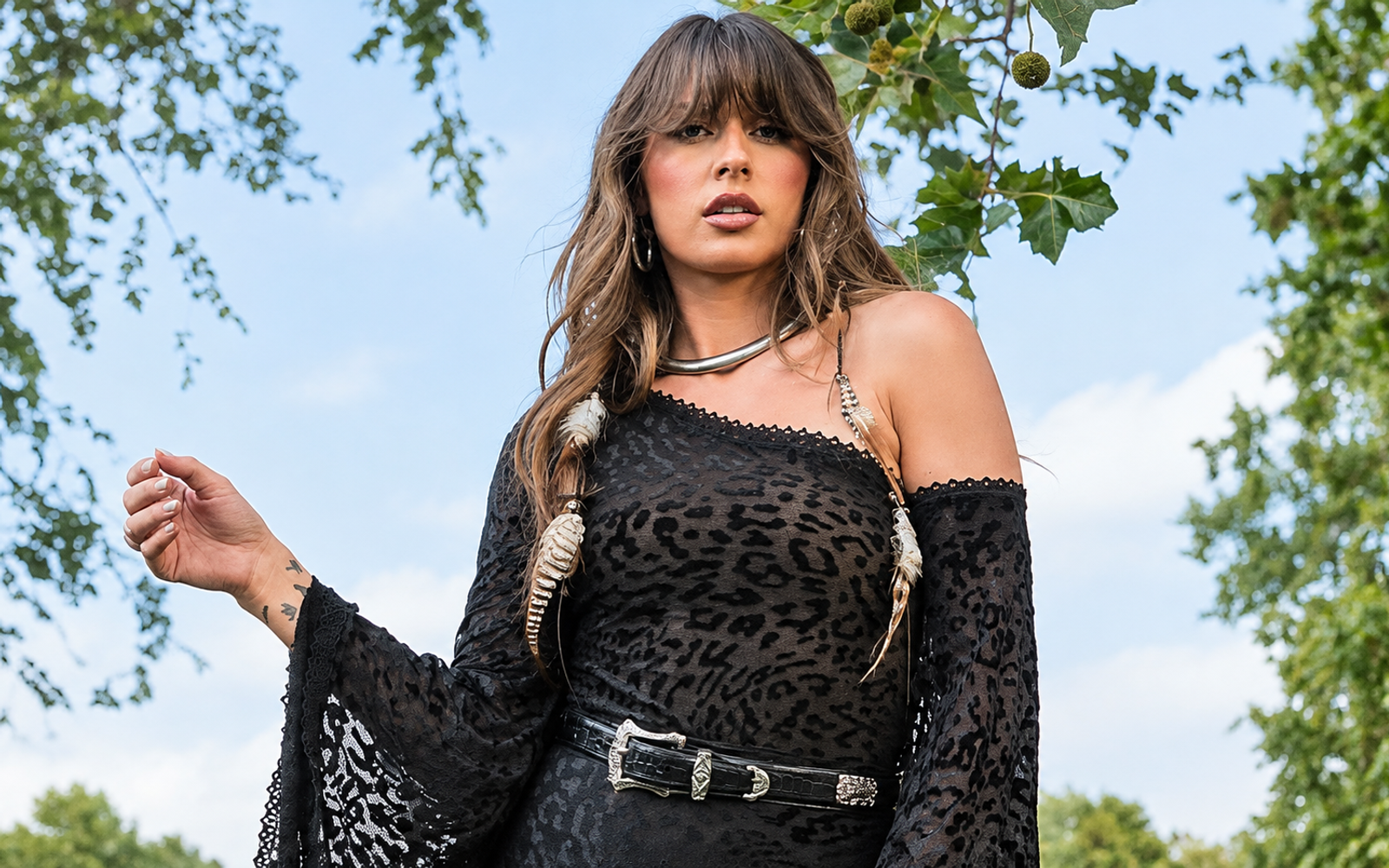
Daisy Chain Fields is the counter-argument, and it matters precisely because Rodrigo assembled it so fast. She announced the festival two months ago, sold out a single day at Great Park in Irvine, and stacked the bill with Bikini Kill, Chappell Roan, Doechii, Mitski, Garbage and The Breeders, with Sarah McLachlan, Stevie Nicks and Alanis Morissette arriving as special guests.
The Lilith Fair lineage was explicit, McLachlan founded the Nineties festival that Rodrigo pointed to as the template, and the event was designed as a fundraiser first and a concert second. Every artist played for free, Melinda French Gates matched the ten million dollars raised on stage, and the total went to ten nonprofit partners working on reproductive rights, economic empowerment and gender equity.
The smartest thing about the festival is that it didn't wait for permission or precedent. It borrowed the Lilith Fair model, updated the cast and treated the causes as the headliners. Even the rough edges were legible: Billboard's recap of the day led with the heat, and Chappell Roan introduced "HOT TO GO!" with the line "this next song is very fitting, I feel," while the artists spent the day telling people to hydrate. Rodrigo has said she wants it to be annual, and after a weekend like that, the only real question is which artists get the slots next year.
What Both Events Actually Prove
The through line is continuity. Streaming made every song permanently available, so a concert stopped being a preview of a record years ago; it's now the proof that the artist and the audience share the same room at the same time.
BTS is selling the proof that seven people can disappear for four years and return to a bigger stage than the one they left. Daisy Chain Fields is selling the proof that a single day can be a concert and a contribution in one ticket. Neither event is really nostalgia, because the audience never left. They just got older and more specific about what they'll leave the house for.
The economics matter as well. The live business spent the past five years consolidating around a handful of mega-tours and festival brands while the middle dropped out, the same pattern that hit theaters this summer, when the box office came back but the middle disappeared. BTS is the extreme version of that logic: scarcity applied to a group the audience already knows song for song. Daisy Chain is the counter-logic: build something small enough to feel intentional and let the mission carry the margin. So the real headline of this week is that both models worked at once, which should worry every promoter who assumed there was only one way to fill a field.
By Sunday night, when BTS finishes the last of its four SoFi shows, Los Angeles will have hosted a reunion and a founding in the same week. The lesson both events teach is that the audience doesn't need novelty so much as confirmation that the group you loved still moves the same way and that the festival you attended actually funds something. BTS answered with a stadium and a tour named after longing. Rodrigo answered with a fund and a lineup that needed no one's approval. Neither answer requires the other to be wrong, which is the part worth remembering the next time an artist announces a hiatus or a new festival arrives with a manifesto. The artists who treat absence and beginnings as the same craft, the maintenance of a relationship, are the ones who'll still be filling rooms when the next hiatus ends.
Comments (0)
No comments yet. Be the first to share your thoughts.