Google and Idris Elba Give Africa Free AI Tools
Google and Idris Elba just announced free Gemini access for 100,000 African creators across five countries. It's part of a bigger package unveiled at Google's first-ever Africa summit, one that Google says isn't charity. Here's what was actually announced, why these specific countries made the list, and what it really means for the continent's creator economy.

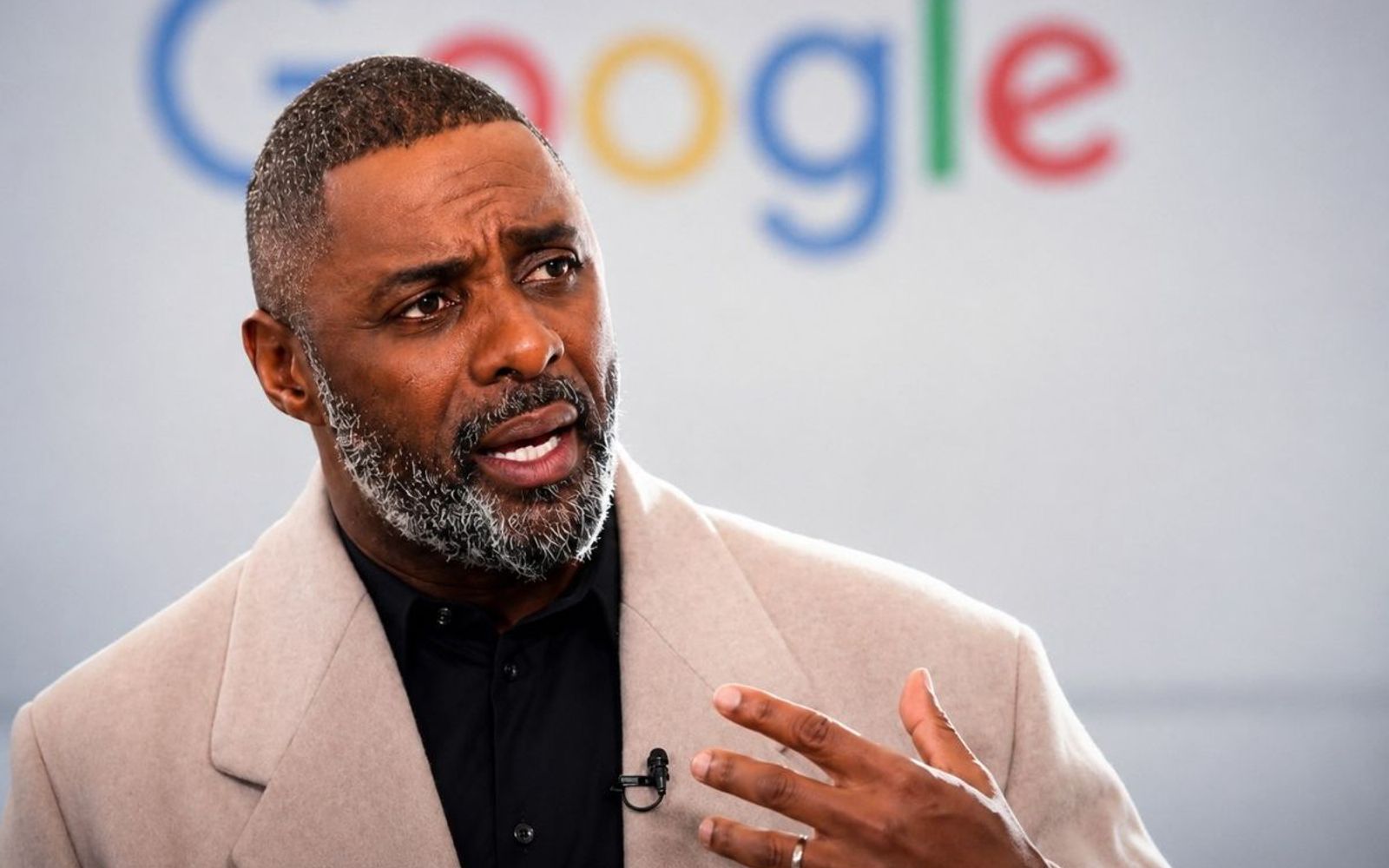
Google and actor Idris Elba announced on July 1, 2026, that they're funding free access to Gemini and other AI tools for roughly 100,000 creators across five African countries. The commitment, worth about $1 million, was one piece of a much larger package Google unveiled at its first-ever Africa Cloud Summit in Johannesburg, and it arrived alongside a milestone the company had been building toward for years: Google confirmed it has now surpassed the $1 billion investment target it set for the African continent five years ago.
What Was Actually Announced in Johannesburg
The summit itself, held at the Sandton Convention Centre under the theme "Building for Africa with Google Cloud," was opened by South African President Cyril Ramaphosa, who called it a moment affirming "Africa's position as a core growth region for the global cloud ecosystem." Google used the stage to announce five separate initiatives spanning infrastructure, AI research, startup funding, connectivity, and skills development, all building on top of that $1 billion commitment plus a more recent $37 million pledge toward AI skills and research.
The Elba partnership was the piece that generated the most public attention, but it was one part of a broader push. Google also announced a new Digital Exchange Port and connectivity hub in South Africa's Eastern Cape, the first of four planned across the continent, linking Africa to Australia via the Umoja subsea cable and opening a new connectivity route to India. A Soweto Innovation Centre and Africa's first Applied AI Lab, based in Ghana, rounded out the announcements.
The Idris Elba Piece: Free Gemini Access for 100,000 Creators
Read Also
AI's Impact: $5M for CodeIntegrityThe creator-focused commitment is funded through two connected efforts tied to Elba personally: his nonprofit, the Elba Hope Foundation, and his media company, Akuna Group. Together with Google, the partnership will cover the cost of Gemini and other Google digital tools for approximately 100,000 creators, while a related Google.org-backed program, worth more than $1 million on its own, delivers AI-powered storytelling training alongside the tool access.
James Manyika, Google's Senior Vice President for Research and Technology, framed the effort in blunt economic terms rather than as goodwill. "We think about all those creatives who don't have access to these enormous studio budgets," he said, describing the initiative as addressing a structural cost barrier rather than offering charity. The tools on offer, generative AI for writing, image generation, video production, translation, and research, are the kind of capability that would otherwise require either significant technical skill or the kind of production budget most independent African creators simply don't have.
Why These Five Countries, and Why Sierra Leone Made the List
The initiative covers Nigeria, South Africa, Ghana, Kenya, and Sierra Leone, and the list isn't arbitrary. Nigeria and South Africa represent the continent's two largest economies and its most established creator and entertainment industries, with Nigeria's Nollywood alone standing as the world's second-largest film industry by output. Kenya and Ghana bring fast-growing, tech-savvy digital creator scenes that have been building for years, and Ghana already hosts Google's AI Community Center in Accra, launched in 2025.
Sierra Leone stands out on that list precisely because it doesn't share the scale of the other four. Its inclusion traces directly back to Elba himself: he was born in London to a Sierra Leonean father and a Ghanaian mother, and has spoken increasingly about investing in the creative industries of the countries his family comes from rather than treating "Africa" as a single undifferentiated market. That personal thread is also why this initiative reads differently than a typical corporate CSR announcement. It's not just Google picking convenient markets, it's Google backing a partner whose stake in the outcome is personal as well as commercial.
The Rest of the Package: An AI Lab, New Cables, and 50 Startups by 2028
The creator initiative sits inside a bigger infrastructure story that's easy to miss if you only see the Elba headline. Google's new Applied AI Lab in Ghana, developed with the Google AI Futures Fund, Google Research, and outside venture capital partners, is designed to pair African startup founders directly with Google researchers and give them early access to the company's latest AI models. As part of that push, Google plans to select 15 African startups starting July 21, 2026, working toward a stated goal of backing 50 African ventures by 2028.
The connectivity investments matter just as much for the creator economy specifically, even if they're less headline-friendly. Google's Johannesburg Cloud Region, launched in 2025, is projected by Google to contribute roughly $90.6 billion in additional economic output and support nearly 315,000 jobs across South Africa by 2030. Faster, more reliable regional cloud infrastructure is the unglamorous backbone that determines whether AI video and image generation tools actually run smoothly for a creator on a mobile connection in Lagos or Nairobi, rather than timing out.
Charity, or a Long Game? Reading Between the Lines
Manyika's insistence that this isn't charity is worth taking at face value, because the business logic behind it is straightforward even if the language is warm. Google owns YouTube, and Africa represents one of the platform's fastest-growing but historically under-monetized regions. The continent's media and entertainment market is currently valued at roughly $93 billion and is projected to reach $118 billion by 2031, according to Mordor Intelligence. Getting 100,000 creators comfortable building content inside Google's AI ecosystem now, while that market is still forming, is a genuinely smart long-term bet on where usage and loyalty settle once the market matures, alongside whatever real benefit it delivers to individual creators today.
That doesn't make the initiative cynical, but it's worth naming plainly rather than treating it as pure philanthropy. Big Tech's track record on African "free tools" initiatives has been mixed historically, some programs deliver lasting infrastructure, others quietly wind down once the press cycle moves on. The fact that this announcement is bundled with hard infrastructure commitments, cloud regions, subsea cables, a physical AI lab, rather than software access alone, is a reasonable signal that Google is treating this as a market to build in rather than a headline to collect.
What This Actually Means for Creators Right Now
For the creators this is actually meant to help, the practical takeaway is that eligible participants in Nigeria, South Africa, Ghana, Kenya, and Sierra Leone should watch for enrollment details through the Elba Hope Foundation and Akuna Group directly, since the specific application process wasn't spelled out in the initial announcement. The tools on offer, Gemini plus other Google digital products, are aimed squarely at the parts of content production that cost the most money to outsource: scriptwriting support, image and video generation, translation for reaching audiences beyond a creator's home market, and research assistance.
The honest caveat is that free tool access solves one barrier, cost, without necessarily solving distribution, monetization, or the broader question of whether platforms reward African creators as well as they reward creators elsewhere. Tools alone don't guarantee an audience. But for creators who've been priced out of AI-assisted production entirely, removing that specific barrier is a real, tangible benefit, whatever the underlying corporate incentive behind it.
Frequently Asked Questions
What exactly did Google and Idris Elba announce?
A $1 million initiative giving roughly 100,000 African creators free access to Google's Gemini AI assistant and other digital tools, funded through Elba's Elba Hope Foundation and Akuna Group in partnership with Google. It was announced July 1, 2026, at Google's first Africa Cloud Summit in Johannesburg.
Which countries are included in the initiative?
Nigeria, South Africa, Ghana, Kenya, and Sierra Leone. Sierra Leone and Ghana reflect Idris Elba's own family heritage; his father is Sierra Leonean and his mother is Ghanaian.
Is this initiative really charity, as some coverage described it?
Google's own SVP James Manyika explicitly said it isn't intended as charity, framing it instead as addressing a structural cost barrier facing creators without studio-level budgets. Google also has a clear commercial interest in growing Africa's creator base within its own AI and YouTube ecosystem.
What other initiatives did Google announce alongside this one?
Google announced it had surpassed its five-year $1 billion Africa investment target, alongside a new Applied AI Lab in Ghana, a Digital Exchange Port and connectivity hub in South Africa's Eastern Cape, a Soweto Innovation Centre, and plans to back 15 African startups starting July 21, 2026, as part of a goal to support 50 ventures by 2028.
How can African creators access the free AI tools?
The initial announcement did not detail a specific application process. Interested creators in the five eligible countries should watch for enrollment information through the Elba Hope Foundation and Akuna Group's official channels.
Comments (0)
No comments yet. Be the first to share your thoughts.