The Million-Dollar Solo Business AI Actually Built
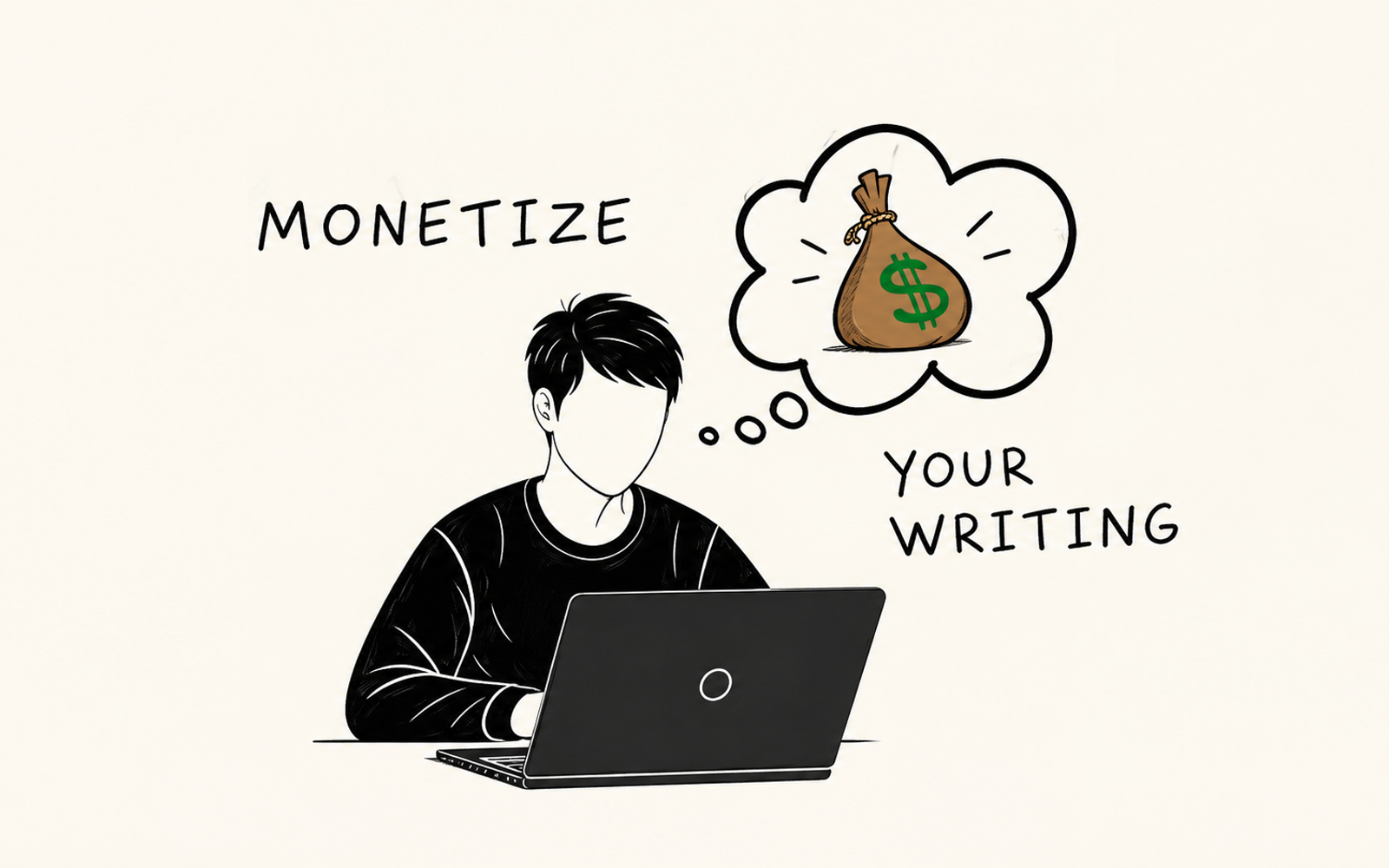
AI isn't replacing teams. It's replacing the need to hire one. Here's how solopreneurs are building seven-figure businesses alone.

A writer in her living room, no publishing house behind her, no marketing team on retainer, no agent fielding calls. She wrote a vampire romantasy novel, uploaded it to a self-publishing platform, and watched it climb the charts after catching fire on BookTok. According to Entrepreneur, she became a No.1 bestseller entirely on her own terms. This is the solopreneur fantasy come to life, and it's happening more often than you think.
The dominant narrative around AI and entrepreneurship goes something like this: AI makes starting a business easier, so everyone will do it. More competition, lower barriers, a democratized playing field. That story is comforting, but it misses a deeper truth. AI is not lowering the bar for everyone equally. It is creating a two-tier system where one group of solopreneurs builds genuine empires and another group just gets faster at staying small.
What the AI Solopreneur Actually Does Differently
Most people using AI today treat it like a faster intern. They use it to draft emails, generate social captions, summarize research, and write first drafts. These are all useful, but they shave hours off a week, not days. The solopreneur building a million-dollar business uses AI differently. They treat it as a functional replacement for entire roles that previously required a hire.
Take the self-published author. A traditional publishing path requires an editor, a cover designer, a marketer, a publicist, and a distribution coordinator. That is five salaries before a single book sells. The AI-powered solopreneur replaces the editor with a specialized language model fine-tuned on their genre. They use AI design tools for the cover. They automate their email list, their social media scheduling, and their ad optimization. One person does what a team of five used to do, and they keep the full margin.
The difference sounds small until you run the numbers. A solopreneur earning the same revenue as a five-person startup takes home dramatically more because their overhead is a software subscription, not payroll. This is not theory. It is playing out across publishing, ecommerce, consulting, and software right now.
The Three Functions AI Replaces First
In practice, the one-person empire tends to replace three specific roles first. Marketing is the obvious one. AI tools now handle ad copy generation, audience segmentation, A/B testing analysis, and performance reporting that a junior marketing manager would have owned. The solopreneur sets the strategy and reviews the output. The AI executes the volume.
Content production is the second function. Writing, design, video scripting, even basic audio production are now within reach of someone running a subscription that costs less than a dinner out. The quality gap between AI-generated content and human-created content has narrowed significantly, especially in formats where consistency and volume matter more than originality.
Customer service is the third, and this one matters most for retention. AI chatbots have crossed the threshold from frustrating to functional. A well-configured support bot can handle eighty percent of common queries, escalating only the complex cases to the founder. That means a solopreneur can serve hundreds of customers a day without hiring a support team, which changes the economics of customer-heavy businesses entirely.
The Systems-Thinking Filter Most People Miss
Here is where the contrarian argument lands. AI does not eliminate the hardest part of building a business. It eliminates the execution bottleneck, but it exposes the thinking bottleneck. The solopreneurs who win at this game are not the ones who use AI the most. They are the ones who design systems that AI can operate within.
A solopreneur building an ecommerce brand needs to decide which products to offer, at what price, to which audience, through which channels. AI can optimize each of those decisions once the parameters exist, but someone has to define the parameters. Someone has to decide what good looks like and what to do when the data contradicts expectations. That work is harder than writing copy, and it does not get easier with better tools.
This is why many people try the solopreneur path and bounce. They sign up for the AI tools, automate a few workflows, and hit a wall when the business requires strategic decisions they cannot outsource. The Productivity Trap article on NovaRift covers exactly this dynamic: better tools without better systems just accelerate mediocre outcomes.
The Ecommerce Parallel Playing Out Right Now
The same pattern showing up in publishing is also visible in ecommerce. The seven tips for building an ecommerce site that sells, covered recently by Entrepreneur, point to the same conclusion. The winners are not the ones with the most sophisticated AI tooling. They are the ones who have defined a clear product-market fit, a distinct brand voice, and a repeatable customer acquisition channel. AI then amplifies that foundation.
A solopreneur running a direct-to-consumer brand can now use AI to generate product descriptions in multiple languages, create social media assets at scale, personalize email campaigns by customer behavior, and predict inventory needs. All of these functions used to require specialists. Now they require a founder who can articulate what they need well enough for the AI to execute.
This is not a future scenario. It is happening today across markets from London to Lagos to São Paulo. The geography of the solopreneur has shifted because the support infrastructure is now digital and global. A founder in Accra can sell to customers in Berlin using the same AI tools as a founder in San Francisco, and the quality gap between their operations is narrowing fast.
What This Changes About Hiring
The biggest shift is not in how businesses operate today. It is in how founders think about scaling. The traditional startup narrative says you raise money, build a team, and grow headcount as a proxy for growth. The AI solopreneur narrative says you build the business alone until revenue forces you to hire, not the other way around.
That changes the incentive structure fundamentally. It means the first hire is no longer a marketing generalist or a customer support agent. The first hire is a specialist who can do something the AI cannot, which tends to be higher-value work. The solopreneur keeps the business leaner, more profitable, and more resilient to downturns because their fixed costs stay low.
This also means the skills that matter for founders are shifting. Technical proficiency with AI tools is table stakes. The differentiator is the ability to think in systems, to design workflows that run without constant supervision, and to make high-quality strategic decisions with less data than a team would typically require.
The Real Ceiling on One-Person Empires
There is a ceiling on how far a single person can take a business, even with AI. At a certain revenue level, the complexity of managing multiple customer segments, product lines, and distribution channels exceeds what one person can hold in their head. But that ceiling is higher than it has ever been. Solopreneurs are now viable at revenue levels that would have required a team of ten a decade ago.
The self-published author who took over BookTok did not just get lucky with an algorithm. She understood that the bottleneck in publishing was not writing the book. It was everything after the book was written. She replaced the infrastructure of a publishing house with a combination of AI tools and platform savvy, and she kept the economics of the outcome for herself.
That is the real story of the one-person empire. It is not about AI replacing human creativity or eliminating jobs. It is about one person deciding that the cost of coordination is no longer worth paying, and using every tool available to build something that stands alone. The ceiling is higher now, but the foundation still has to be yours.
Frequently Asked Questions
What is a solopreneur?
A solopreneur is an entrepreneur who builds and runs a business alone, without employees or co-founders. AI tools are enabling solopreneurs to scale further than was previously possible without hiring.
How much revenue can a one-person business generate with AI?
Solopreneurs using AI effectively are now generating seven-figure revenues in categories like publishing, ecommerce, consulting, and software. The ceiling depends on how well the founder can systematize operations beyond their personal capacity.
What types of businesses work best for AI-powered solopreneurs?
Businesses with repeatable workflows in marketing, content production, and customer service tend to work best. Digital products, direct-to-consumer brands, and information businesses are common examples because their operations can be automated more easily than physical, location-dependent businesses.
Is solopreneurship harder or easier with AI?
Execution is easier because AI handles volume work that used to require employees. Strategic decision-making is harder because the founder cannot delegate the thinking to an AI. The filter shifts from who can work hardest to who can design the best systems.
Comments (0)
No comments yet. Be the first to share your thoughts.