Iconic Cultural Festivals in 2026 and Why They Matter
From Nagaland's Hornbill Festival to Oaxaca's Day of the Dead, what the world's biggest festivals actually do that a feed can't.

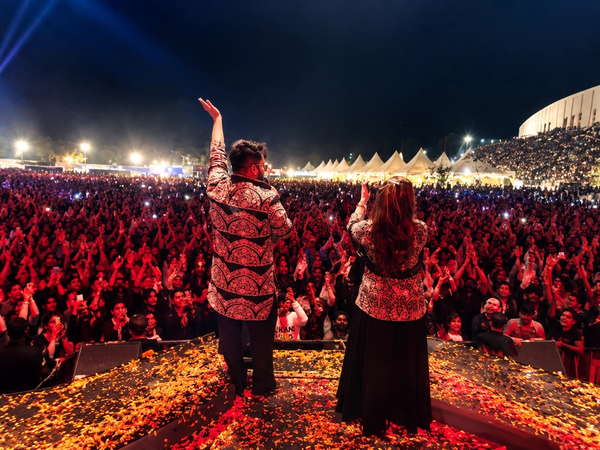
Getting into the Hornbill Festival takes two documents, and only one of them is a ticket. That ticket cost Rs 150 last year, roughly $1.70. The other is an Inner Line Permit, a paper the state of Nagaland requires from every visitor arriving from outside its borders, Indian citizens included. Ten days of dance from seventeen recognised tribes, staged on a hillside at Kisama about 12 kilometres south of Kohima, and the state wants your name before you climb the hill.
Reported attendance for the 2025 edition ran past 214,000 people. That's a small city assembled and dismantled in ten days on a hill in Northeast India, and it happens every December because a government decided in 2000 that it should.
A Festival the State Built on Purpose
The Hornbill Festival is 26 years old. December 2026 brings the 27th edition, which means the event people describe as an ancient gathering of the Naga people is younger than most of the phones its visitors will carry up that hill. The Nagaland government launched it to pull the state's tribes into one place and give travellers a reason to arrive. Seventeen tribes are officially recognised, among them the Angami, Ao, Chakhesang, Konyak, Sumi and Zeliang, each with its own dress, its own songs, its own long-running arguments with the others.
That's the strange part. A festival invented as tourism policy has turned into the most reliable annual archive of cultures that were, until fairly recently, being actively discouraged from continuing. The state built a stage and the stage became a vault. A tourism department now does work that museums and universities spend decades failing to do, which is to get seventeen distinct communities in one place on one day, performing for each other rather than for a camera. So the Hornbill isn't old, and it doesn't need to be. Age isn't what makes a festival matter. Repetition is.
The Permit Line
Every visitor from outside Nagaland needs an Inner Line Permit or, if foreign, a Protected Area Permit. Dimapur is the nearest airport, roughly 70 kilometres from Kohima, and the last stretch is hill road. Entry fees for the 2026 edition haven't been published yet.
Sort the permit before you book anything. Foreign nationals need a Protected Area Permit rather than an Inner Line Permit, and it gets checked on arrival. A festival ticket without the right paper gets you as far as the airport.
The gatekeeping is the least photogenic thing about the Hornbill and the most revealing. A culture can be opened to the world and still keep a door on it. Those two ideas aren't in conflict, whatever the tourism brochures imply.
What Oaxaca Does in the First Three Days of November
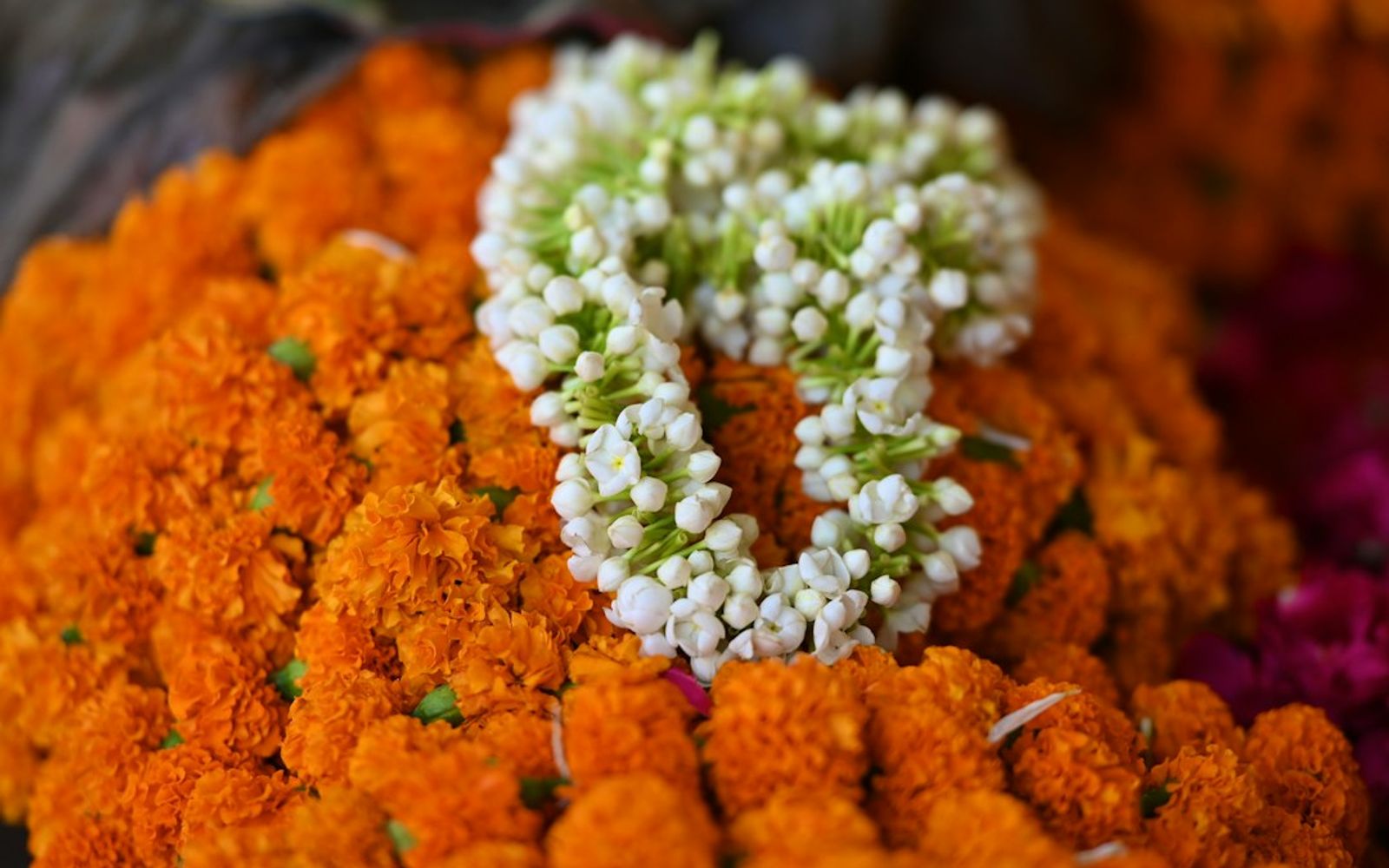
Oaxaca's Día de los Muertos runs from 1 to 3 November, and it starts inside houses. Families build ofrendas, lay out marigolds and bread for people who aren't coming back, then move into the streets and eventually to the graves, where the night gets loud and long. Visitors are welcome. Visitors are also visibly the reason the candles cost what they cost this year.
The public face of the holiday is newer than the holiday. Mexico City's giant procession, the one that fills every November photo essay, dates to the mid-2010s and found its scale after a Bond film put a version of it on screen. The ritual underneath is older, quieter and belongs to households rather than municipalities.
That distinction does most of the work. A festival survives when the obligation to hold it sits with the people whose dead it honours. Move the obligation to a visitor's itinerary and what's left is a set with good lighting.
Detty December and the Package Economy
AfroFuture, the Accra festival formerly known as Afrochella, closes Ghana's Detty December at El Wak Stadium. Past editions have drawn more than 10,000 people across two days with lineups that read like an Afrobeats chart. As of this week its 2026 dates still aren't confirmed by the organisers, while tour operators are already selling eight-day trips built around it, some starting at $4,595 per person on double occupancy.
Run the arithmetic on one of those packages. The festival ticket buried inside it is well under 0.04% of the total. What's actually being sold is the hotel, the naming ceremony, the Cape Coast castle tour, the New Year's Eve party. The festival gives the calendar a shape. It isn't the thing the money is chasing.
When operators can package a festival before its own organisers announce it, the event has become a season. That's not a scandal, it's what happens to anything that reliably produces joy on a schedule.
The Thing a Date Does That a Feed Can't
Put the attendance figures side by side. Hornbill's reported 214,000 over ten days works out to roughly 21,000 people a day on one hillside. AfroFuture's 10,000-plus across two days is about 5,000 a day inside a stadium. Two very different instruments. One is a national inventory of tribes, the other a diaspora homecoming with a sound system.
Both do the same structural job, which is to tell a scattered population exactly when and where to be. Festivals are calendars before they're experiences. That's the function a recommendation feed can't perform, because a feed never tells you that everyone is going to the same place at the same time. It tells you what you might like, which is a different kind of information.
A seasonal slate works the same crude, effective way, whether it's a festival weekend or a batch of new anime releases landing together in July. Set a date and watch people reorganise their lives around it.
The Hornbill's 27th edition opens on 1 December and closes on the 10th. On the 11th the Kisama hillside goes back to being a hillside with empty huts on it, until the state and seventeen tribes decide to do it again. The permit, the ticket, the charter flight and the $4,595 package are all scaffolding around that decision, which costs nothing and is the only part of any of this that can't be sold.
Comments (0)
No comments yet. Be the first to share your thoughts.