The Happiest Countries on Earth: What the Rankings Don't Tell You
Every year, cold Nordic nations sweep the World Happiness Report while tourists picture smiling paradises. Here is what the famous index actually measures, and why real contentment looks nothing like the headlines.

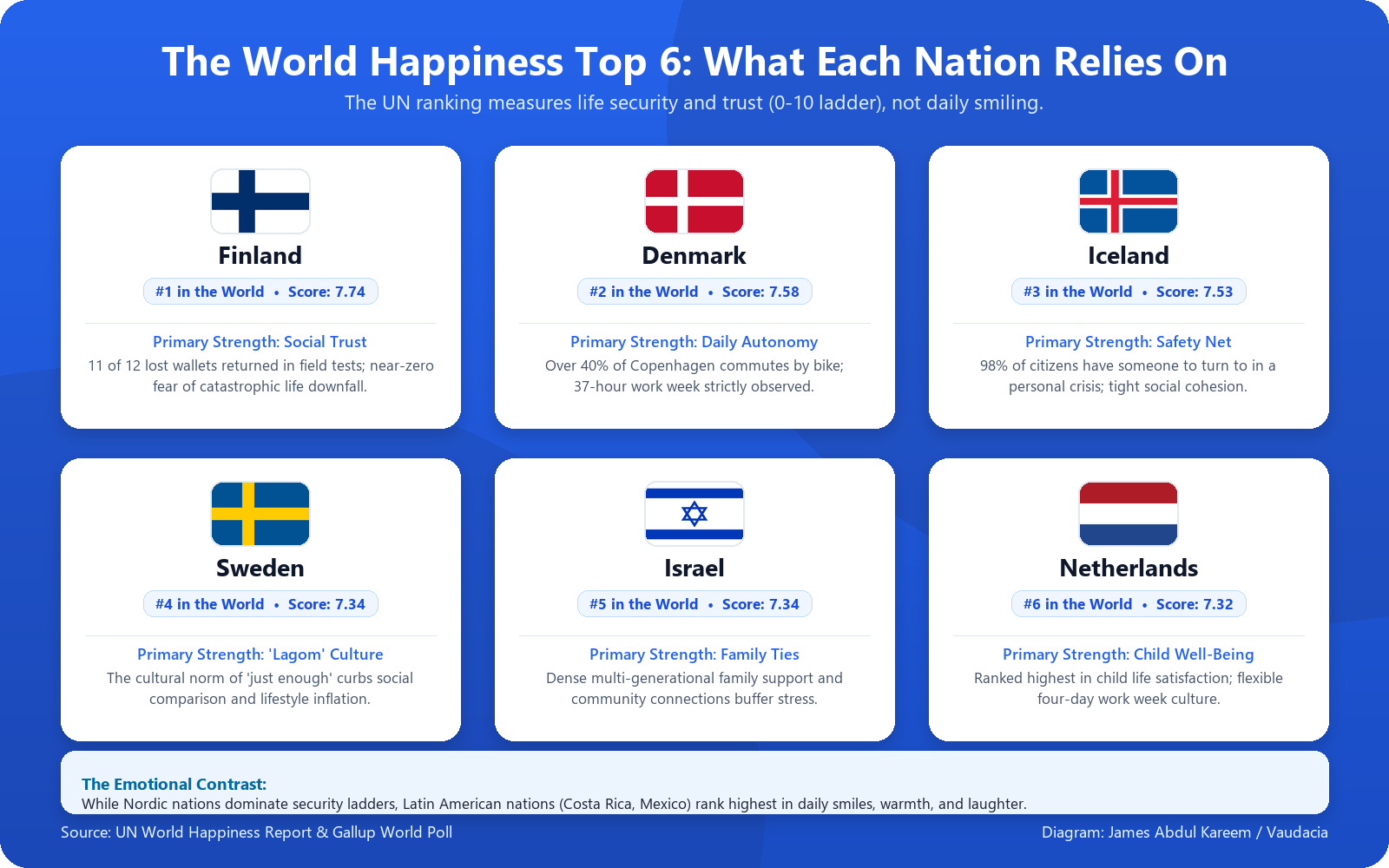
Every March, a familiar set of headlines circles the globe. The United Nations releases its annual World Happiness Report, and like clockwork, the same handful of cold northern European nations sweeps the top five. Finland takes the gold medal for the seventh year in a row. Denmark claims second. Iceland, Sweden, and the Netherlands follow close behind.
- 1The rankings do not measure smiling or joy: The UN World Happiness Report uses a metric called the Cantril Ladder, which asks people to evaluate their overall life security on a scale from 0 to 10, not how often they laugh or feel excited.
- 2Happiness in top countries is the absence of dread: In Finland and Denmark, life satisfaction comes from guaranteed baselines. Healthcare, education, childcare, and unemployment support mean a bad month or medical emergency never causes financial ruin.
- 3High social trust is the real engine: In the famous lost wallet experiment, 11 out of 12 wallets dropped on the streets of Helsinki were returned intact with all their cash. Daily friction stays low because people assume their neighbors are honest.
- 4Latin America leads in daily emotional warmth: While northern Europe wins on institutional security, countries like Costa Rica and Mexico consistently score higher on Gallup's daily positive emotion surveys for smiling, shared meals, and laughter.
To anyone reading those announcements from a sunny patio in Madrid, a bustling neighborhood in Lagos, or an apartment in New York, the mental picture is almost impossible to reconcile. Most people hear "the happiest place on earth" and imagine tropical sunshine, vibrant street festivals, and crowds of people smiling at strangers.
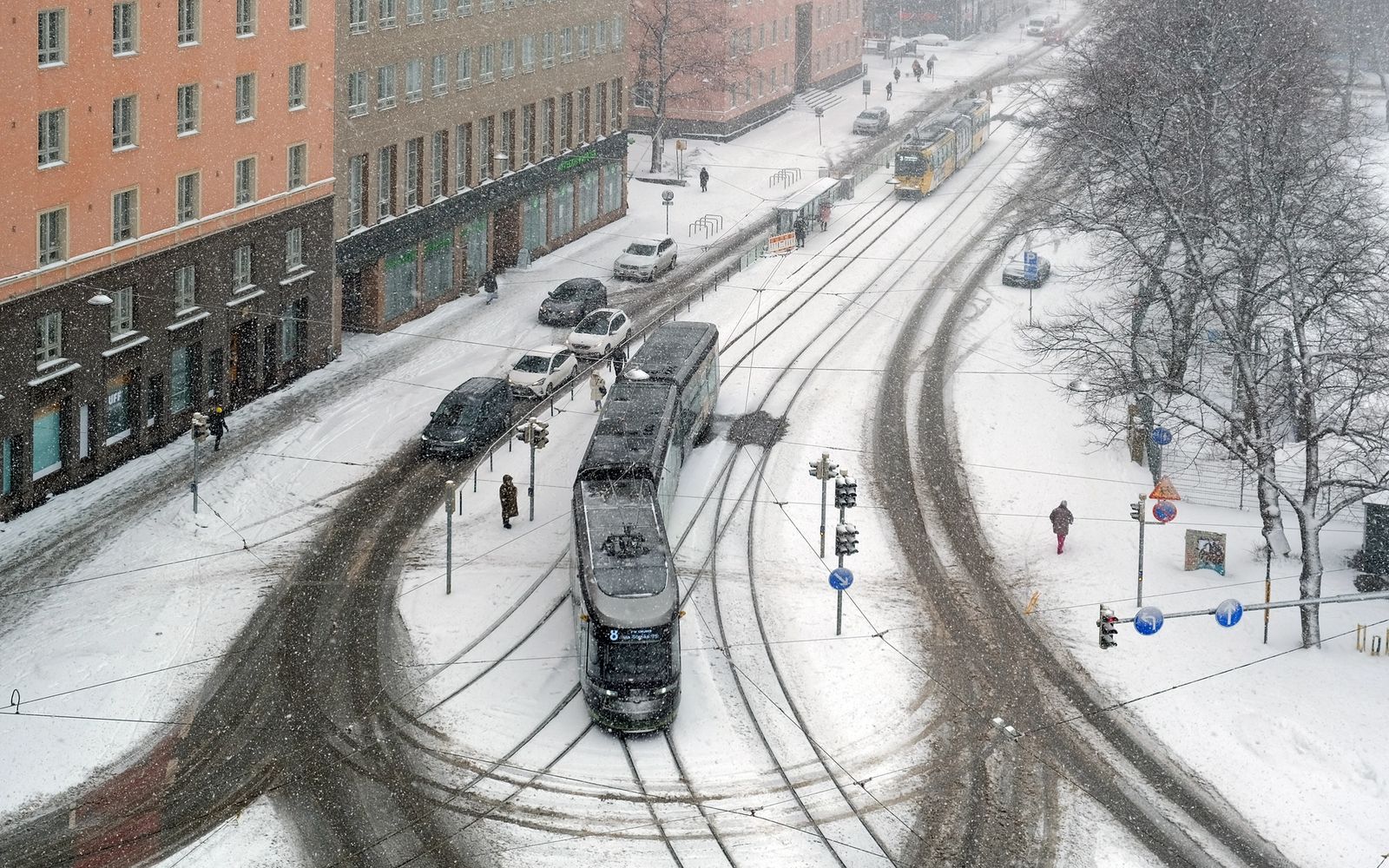
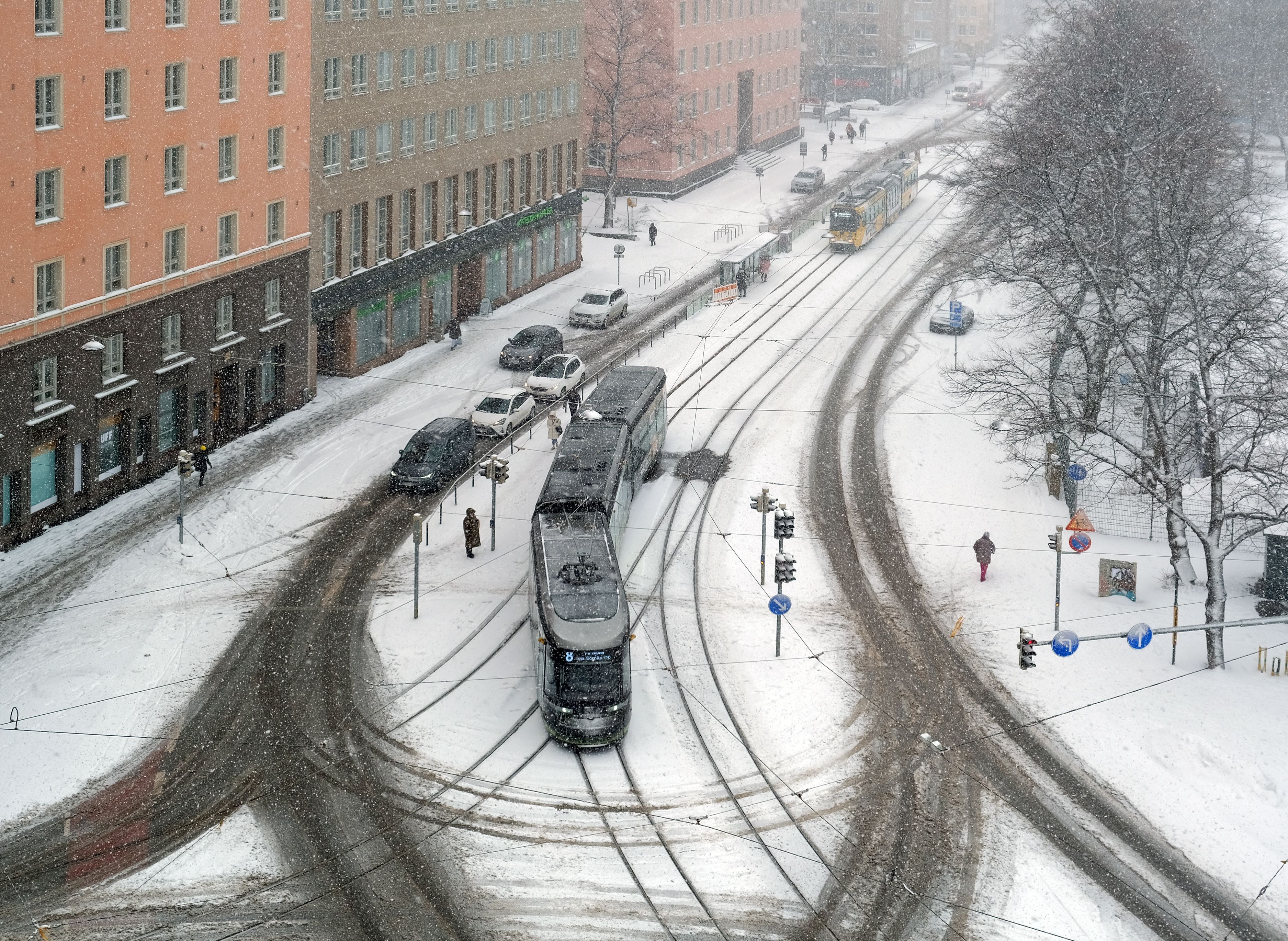
Instead, step off a plane at Helsinki-Vantaa Airport in the middle of November, and the reality looks startlingly different. The sun sets at three in the afternoon. The sky hangs like wet concrete. Commuters stand in near-total silence at tram stops, bundled into thick dark parkas, carefully maintaining several feet of personal space. Nobody is smiling at strangers, and small talk is treated with quiet suspicion.
Ask ordinary Finns, Danes, or Norwegians about their world championship title, and they almost always chuckle, look slightly embarrassed, or shrug. The reaction isn't modesty. It's a reminder that the global public and the people compiling the data are using the word "happy" to describe two completely different human experiences.
The Question That Decides the Whole List
The confusion starts with the survey itself. The researchers behind the report don't send pollsters across 140 countries to ask people, "Did you smile today?" or "Are you feeling joyful right now?"
Instead, the core ranking relies on data collected by the Gallup World Poll using a classic psychological tool called the Cantril Self-Anchoring Striving Scale (often referred to simply as the Cantril Ladder).
Imagine a ladder with rungs numbered from zero at the bottom to ten at the top. The top of the ladder represents the best possible life you can realistically imagine for yourself; the bottom represents the absolute worst. Then, the interviewer asks a straightforward question: On which step of the ladder would you say you personally feel you stand at this time?
That single question changes everything. When you ask someone whether they feel joyful on a random Tuesday afternoon, their answer swings wildly based on the weather, their morning commute, or an argument with a coworker. But when you ask someone to place their entire life on a ladder from zero to ten, they step back and take a cold, rational inventory:
- Do I have stable housing and clean water?
- If I lose my job tomorrow, will my family end up homeless?
- If I get diagnosed with cancer, will medical bills bankrupt me?
- Can I trust the police, the courts, and the local hospital to treat me fairly?
- Do I have the freedom to choose my career and speak my mind without fear?
Nordic countries don't top the list because their citizens experience constant euphoria. They top the list because their societal structure guarantees that almost nobody falls below the middle rungs of that ladder. The secret isn't bubbling joy; it's the systematic elimination of daily dread.
The Power of the High Floor
In most parts of the world, modern life is built like an acrobatic high-wire act with no safety net. If you work hard, stay healthy, and catch good breaks, you can achieve an incredible standard of living. But a single stroke of bad luck - a sudden layoff, a chronic illness, a divorce, or a broken transmission on your commute car - can send your life into a downward financial spiral.
In Denmark, Norway, or Finland, the society is engineered around a completely different philosophical goal: raising the floor.
Taxes are undeniably high. A middle-class earner in Copenhagen or Stockholm often pays 40 to 50 percent of their income in income taxes and consumption levies. But in exchange, the major financial anxieties that keep working families awake at 3:00 AM across the United States, the UK, or emerging economies simply don't exist:
- Universal Healthcare: Visiting a doctor, having a child in a hospital, or undergoing complex surgery costs essentially nothing out of pocket.
- Tuition-Free Education: Higher education from undergraduate degrees through medical school and PhDs is completely free, funded collectively through tax revenue.
- Robust Parental Leave: New parents receive months of paid leave, followed by heavily subsidized, high-quality public daycare when they return to work.
- Dignified Unemployment Insurance: Losing a job is stressful everywhere, but unemployment benefits in the Nordics replace a significant share of your salary for months while public retraining programs help you pivot into new industries.
When you eliminate the constant low-level panic of financial ruin, people experience a profound sense of mental calm. A Danish bus driver and a Danish corporate executive might have very different salaries, but their children go to similar neighborhood schools, their elderly parents receive the same eldercare, and neither of them fears losing their home over an unexpected hospital bill.
The Lost Wallet Test and the Engine of Trust
If a strong social safety net were the only ingredient in happiness, any wealthy government could simply raise taxes and buy its way to the top of the rankings. But the data reveals a second pillar that is far harder to construct: interpersonal and institutional trust.
Economists and sociologists measure this with a fascinating, real-world experiment known as the "Lost Wallet Test." Decades ago, researchers working with Reader's Digest and later academic behavioral economists dropped dozens of identical wallets in major cities across the globe. Each wallet contained roughly $50 in local cash, family photographs, business cards, and clear contact information for the "owner."
In cities like Lisbon, Madrid, or London, between three and five out of twelve wallets were returned. In cities where civic trust had broken down completely, none came back.
In Helsinki, Finland, 11 out of the 12 wallets were returned to their owners with every single dollar of cash intact.
That astonishing statistic explains why daily life in Nordic countries feels so frictionless. When you walk through a Finnish or Norwegian town, parents routinely leave sleeping babies in strollers outside coffee shops while they sit inside having a warm drink. Bicycles are frequently parked unlocked outside train stations. Citizens pay their taxes without widespread tax evasion because they genuinely believe the government will spend the revenue on schools, roads, and hospitals rather than lining politicians' pockets.
Sociologists describe this as "social capital." When you trust that the stranger next to you on the train or the official behind the desk at city hall has no intention of exploiting you, your nervous system can finally relax.
The Cultural Rule of "Just Enough"
Beyond policy and honesty, there is a deep cultural attitude that shields northern Europeans from the chronic dissatisfaction that plagues hyper-competitive societies.
In Sweden, it is called lagom, an untranslatable word that roughly means "not too little, not too much; just the right amount." In Denmark, it connects to hygge, the art of finding deep contentment in simple, cozy comforts like lighting candles on a dark winter evening and sharing soup with three close friends.
In the United States, Britain, and many fast-growing Asian economies, culture pushes the opposite narrative: more is always better. You need a bigger house, a louder car, a prestigious job title, and a luxury vacation to prove your worth to your peers. The treadmill never stops. The moment you buy a nice sedan, you see someone in your social circle driving a new German SUV, and your satisfaction vanishes.
Nordic culture actively discourages showing off. Flaunting wealth is seen not as aspirational, but as socially awkward and tasteless. Because people don't feel pressured to buy status symbols to prove they belong, lifestyle inflation stays low.
When you combine modest personal expectations with a guaranteed societal floor, people rarely experience the bitter disappointment of falling short. Contentment is fundamentally a mathematical equation: Happiness equals Reality minus Expectations. When your expectations are grounded, reality rarely lets you down.
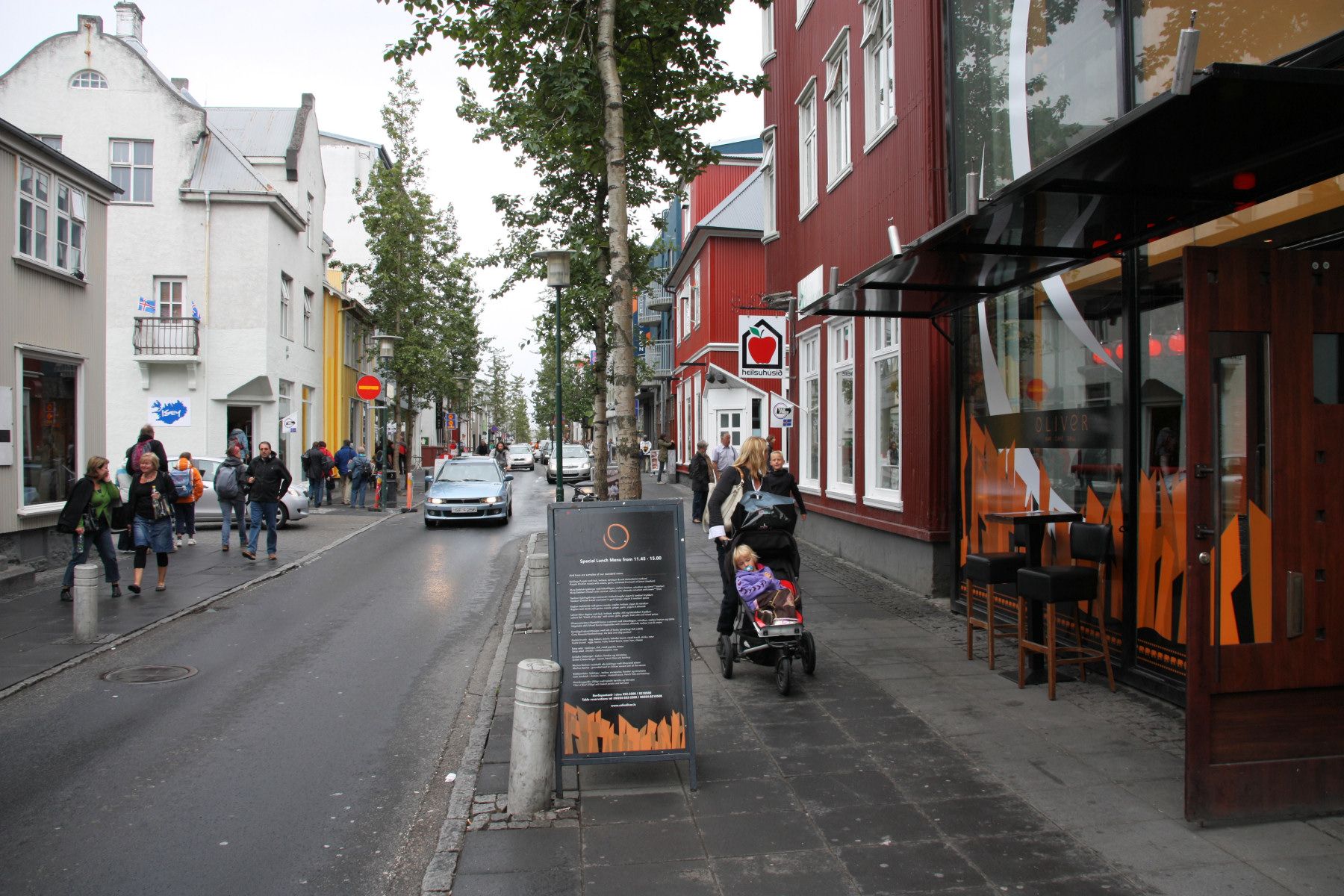
In Iceland, which consistently ranks third or fourth globally despite having a tiny population of under 400,000 perched on volcanic rock in the North Atlantic, that social cohesion is turned up to eleven. When surveys ask Icelandic citizens whether they have a relative or friend they can count on to help them through a personal crisis, over 98 percent answer yes - the highest figure anywhere on earth.
The Darker Side the Rankings Leave Out
Painting northern Europe as an idyllic paradise ignores the very real trade-offs and dark corners that residents deal with every winter.
First, there is the brutal reality of climate and darkness. For five months of the year, daylight is scarce and freezing temperatures keep people indoors. Seasonal Affective Disorder (SAD) is widespread. Despite their gold-medal rankings, Nordic nations record notably high rates of antidepressant consumption per capita compared to southern Europe.
Second, the very social cohesion that makes these societies function can make them deeply isolating for outsiders. In countries where social circles form in primary school and stay locked for decades, making friends as a newcomer, an immigrant, or an international worker can feel like trying to break into a bank vault. The politeness is real, but warmth takes years to build.
Third, the pressure to conform can feel suffocating to creative or eccentric personalities. The unwritten social code known across Scandinavia as the Law of Jante dictates: Don't think you are special, don't think you are better than anyone else, and don't stand out too much. For people with high ambition who thrive on hustle, competition, and risk, Nordic society can feel quiet to the point of stagnation.
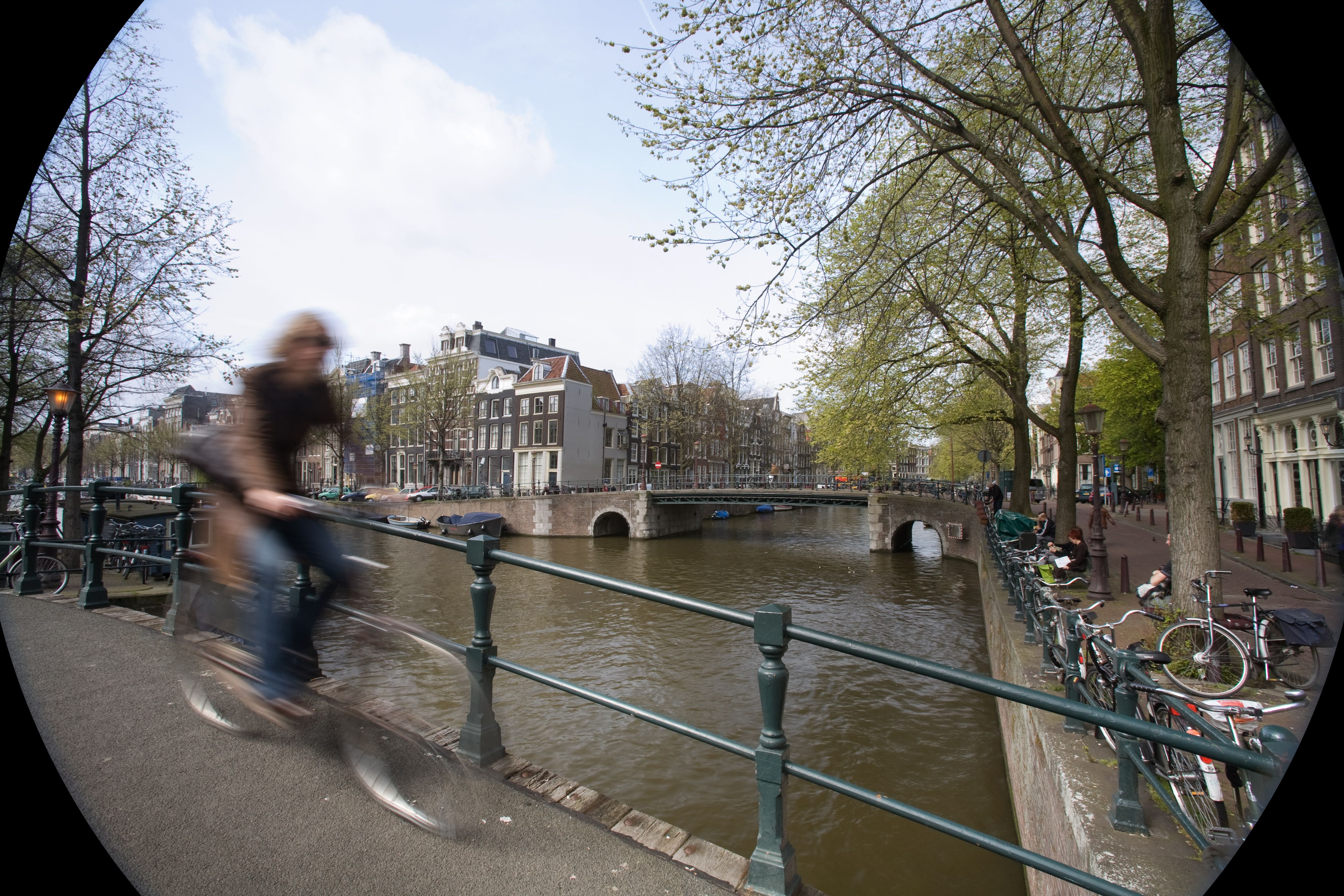
In the Netherlands, which routinely sits at number five or six in the global rankings, this balance takes a slightly different flavor. Dutch workers hold the highest rate of part-time employment in the industrialized world, with nearly half of the workforce choosing four-day or three-day workweeks to prioritize family, hobbies, and sports. Furthermore, data from the OECD Better Life Index shows that Dutch children consistently report the highest levels of life satisfaction in the Western world, shielded from the relentless testing and homework pressures found elsewhere.
Where True Emotional Warmth Actually Lives
This brings us to the most illuminating paradox in modern well-being research: what happens when you measure daily emotional joy rather than long-term security?
Alongside the Cantril Ladder, Gallup runs an entirely separate survey called the Positive Experience Index. Instead of asking people to step back and evaluate their overall life security, this survey asks about the immediate 24 hours prior to the phone call:
- Did you feel well-rested yesterday?
- Were you treated with respect all day?
- Did you smile or laugh a lot yesterday?
- Did you learn or do something interesting?
- Did you experience enjoyment?
When you rank countries by those questions, the cold northern European nations drop right down into the middle of the pack.
The countries that dominate the top of the daily emotional happiness charts year after year are in Latin America: Costa Rica, Mexico, Colombia, Panama, and Guatemala.

In Costa Rica, where the national greeting is famously Pura Vida ("pure life"), life evaluation scores on the ladder are respectable, but daily experienced happiness is off the charts. Extended families live close together, music and conversation spill onto porches, meals are long communal affairs, and daily stress is actively counteracted by social warmth.
A person in San José or Medellín might face lower wages, longer bus commutes, and less dependable public healthcare than a resident of Helsinki. But on any given Thursday afternoon, they are statistically far more likely to have shared a hearty laugh with a neighbor, eaten lunch with their cousins, and felt the warm embrace of an affectionate community.
What Regular Readers Can Actually Take From This
Most of us can't snap our fingers and relocate our families to a village outside Copenhagen or a street corner in San José. Nor can we individually rewrite national tax codes or rebuild municipal transport networks.
So what does the reality of the happiness rankings actually teach an ordinary reader trying to live a calmer, more fulfilling life?
1. Build Your Own Safety Floor First
The single greatest finding of Nordic well-being data is that removing catastrophic downside risk does far more for human peace of mind than chasing luxury upside. Before pouring energy into buying a flashier car or expensive lifestyle upgrades, focus on building an emergency cash buffer, paying off toxic high-interest debt, and securing basic insurance. When you know you won't be ruined by a bad month, your baseline anxiety plummets.
2. Guard Your Time and Commute Ruthlessly
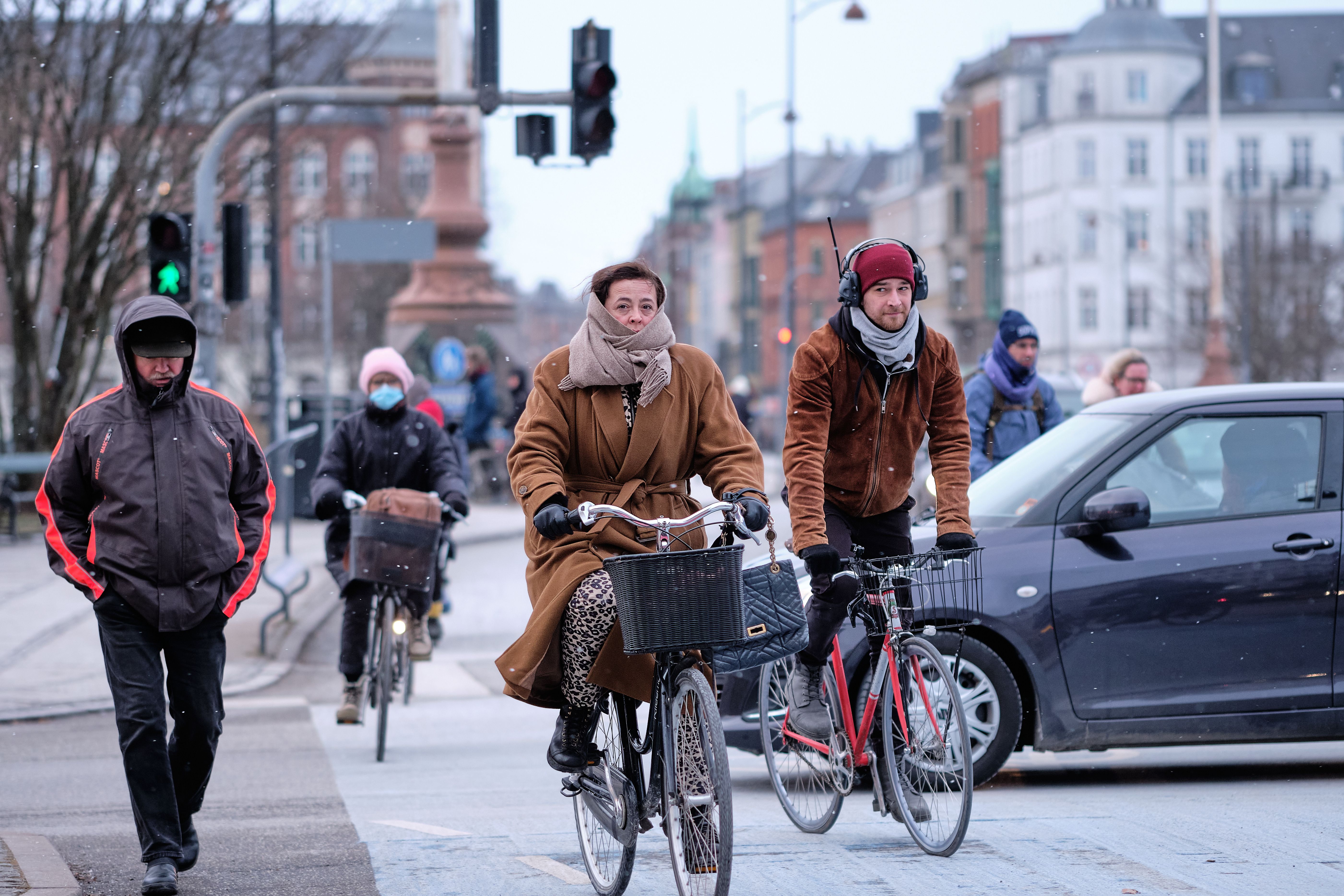
The Danish commute data is telling: traveling to work by bicycle or public transit on safe, predictable paths protects daily mood far more than having an extra 200 square feet in a suburban house that requires sitting in two hours of highway traffic every day. Time spent stuck in gridlock is one of the few daily activities that humans never adapt to.
3. Lower Your Comparison Treadmill
The Nordic concept of lagom is the ultimate antidote to modern digital exhaustion. The internet is an engine designed to make you feel like your apartment is too small, your clothes are outdated, and your salary is inadequate. Actively embracing the idea that what you have is "just enough" immediately cuts off the fuel supply for social envy.
4. Invest in Micro-Trust and Community
The lost wallet test proves that society functions on the assumption of mutual respect. You can practice that locally: get to know the people who live next door, chat with the shopkeeper at your neighborhood grocery, return things when you find them, and show up when a friend is sick. Security isn't just a government program; it's the web of small, dependable relationships you build around your home.
The next time the headlines announce that Finland has won the world happiness crown, don't picture an imaginary land of unbroken smiles. Picture a quiet, sensible society where the trains run on time, the hospital bill never arrives, people return lost wallets, and nobody feels the need to pretend their life is grander than it is. That isn't paradise. But for a stressful, complicated world, it might be the closest thing we have.
Comments (0)
No comments yet. Be the first to share your thoughts.