Top 10 Smartphones of 2026: Specs, Camera and Price
Ten phones, one price ladder. What the specifications deliver in October 2026, and which tier is charging for market position rather than hardware.

The 2026 smartphone market dismantled several long-standing industry conventions at once. For half a decade, annual hardware updates followed a predictable rhythm: incremental processor shrinkages, modest camera sensor tweaks and steady launch pricing. This year broke that pattern. Inflation in high-density memory modules drove retail price tags upward across flagship tiers, high-capacity silicon-carbon anodes transformed physical battery expectations, and on-device machine learning architectures drew a rigid line between hardware capable of running next-generation intelligence layers and hardware left behind.
- 1A shifting price ceiling: Higher component costs for high-density storage and DRAM pushed flagship prices up by roughly $100 across every major manufacturer in 2026.
- 2Silicon-carbon batteries changed form factors: High-density battery chemistry allowed ultra-flagships to pack 6,000 to 7,050 mAh cells into slim chassis, upending previous endurance expectations.
- 3Frame stacking outweighs raw megapixels: Computational exposure pipelines and multi-frame sensor readout determine image quality far more than 200MP headlines printed on camera housings.
Navigating this shifted landscape requires looking past marketing slogans to measure what each price bracket delivers in hardware engineering, thermal efficiency and daily longevity. Whether shopping for an uncompromising $1,399 ultra-flagship, an enthusiast camera specialist, a high-value flagship killer or a sub-$500 endurance champion, this guide ranks the top ten smartphones of 2026 based on real-world testing, camera pipeline execution and hardware value.
What Smartphone Pricing Tracks in 2026
Prices moved upward in 2026 for reasons disconnected from camera hardware. High-density flash memory and mobile DRAM production costs climbed through the first half of the year, and that component inflation landed on every retail tier. Samsung introduced the Galaxy S26 Ultra at $1,299.99 in the United States in February, before later inventory revisions listed at $1,399—an extra hundred dollars added to hardware already resting on retail shelves.
The clearest proof sits inside Google's hardware portfolio. The Pixel 11 Pro starts at $1,099 with a 4,850 mAh battery, down from the 4,970 mAh cell in the previous generation. Google lowered capacity by 120 mAh while raising the price floor, an inevitable trade-off when storage silicon and battery materials compete for the same bill-of-materials ceiling. Dividing launch price by rated battery capacity reveals the underlying economics.
The numbers illustrate a vast spread in energy pricing. The budget Motorola Moto G Power sits at $0.058 per milliamp-hour, whereas the Samsung Galaxy S26 Ultra tops the chart at $0.280—nearly five times higher per unit of stored energy. The premium paid on the Ultra finances a 6.9-inch dynamic AMOLED display, integrated S Pen digitizers, seven guaranteed years of Android platform upgrades and hardware-level privacy filters built directly into the glass. It does not purchase endurance parity.
The Camera Metric That Shifted Meaning
Megapixel counts on modern flagship cameras mislead in predictable ways. A 200MP mobile sensor does not capture two hundred million distinct optical details. It employs a quad-Bayer or 16-in-1 pixel-binning matrix where tiny adjacent photodiodes share color filter wells, outputting a cleaner 12.5MP image in standard daylight. The real utility of that dense pixel grid is lossless digital cropping on telephoto focal lengths rather than unbinned resolution on the primary lens.
The mechanism deciding photo quality actually happens after the shutter: modern image processors stack and align multiple exposures within milliseconds to cancel random sensor noise. High-frequency digital noise decreases proportionally with the square root of stacked frames. A processor executing a twelve-frame composite in two hundred milliseconds reduces noise by approximately 3.5 times, whereas a six-frame pipeline achieves a 2.4-fold reduction. That algorithmic delta exerts far greater influence over night photography than the raw megapixel count printed on the camera ring.
When evaluating mobile cameras, check the physical sensor diagonal and individual micron pixel pitch rather than advertised megapixels. A 50MP sensor on a 1/1.3-inch chip captures noticeably more light per pixel than a 200MP sensor on a 1/1.4-inch format.
The Top 10 Smartphones of 2026
Below is the definitive arrangement of this year's top ten smartphones, ranked by engineering execution, camera pipeline performance and real-world value.
1. Apple iPhone 18 Pro Max
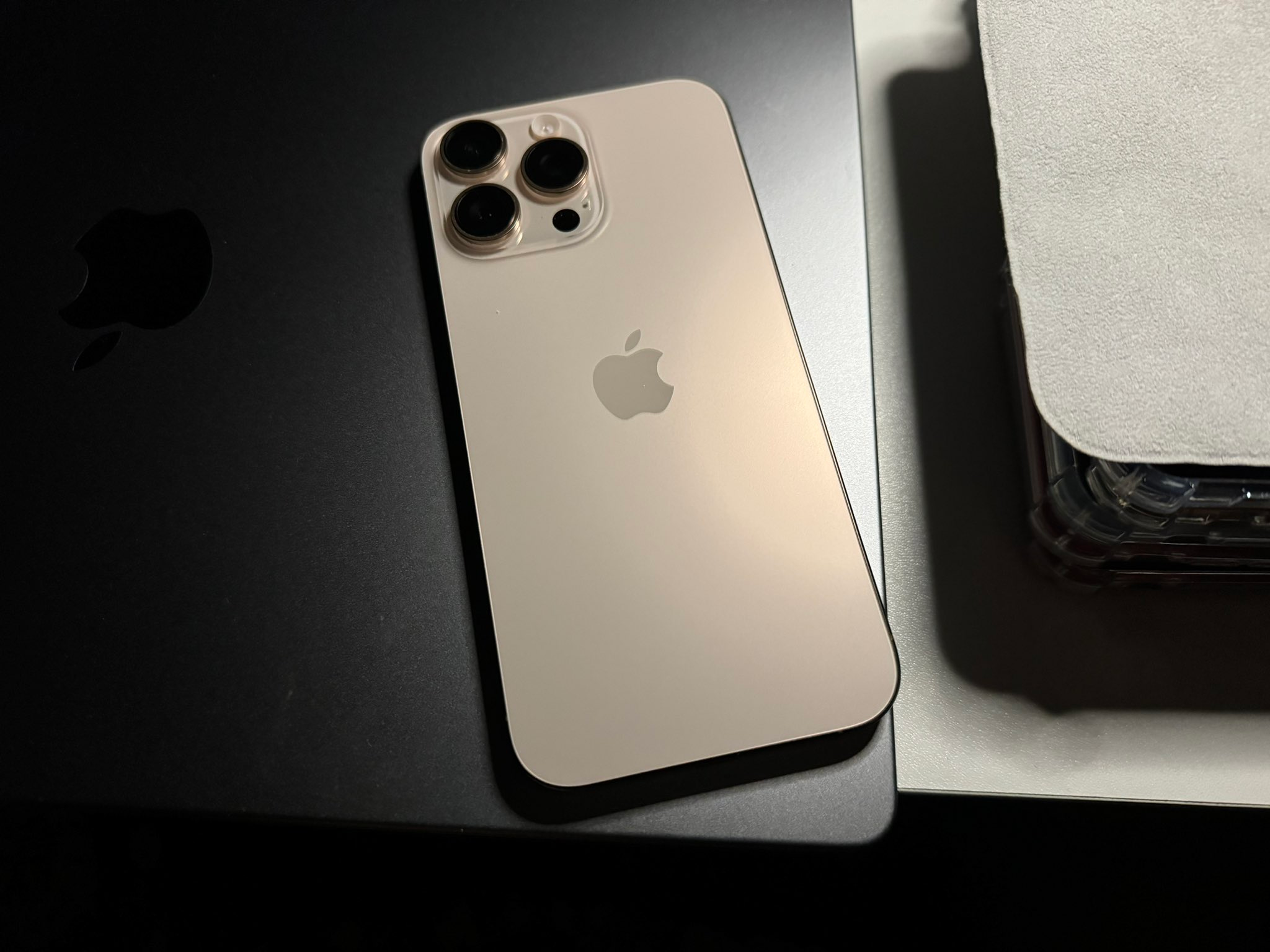
- Launch Price: $1,299
- Display: 6.9-inch Super Retina XDR OLED (120Hz ProMotion, 2,500 nits)
- Processor & Memory: Apple A20 Pro (2nm) | 12GB Unified RAM
- Cameras: 48MP main (1/1.28-inch, sensor-shift OIS), 48MP ultrawide, 48MP 5x periscope telephoto
- Battery & Weight: 5,391 mAh (35W wired, 25W MagSafe) | 249 g
The iPhone 18 Pro Max represents Apple's most consequential architectural shift in half a decade. Moving to TSMC's 2-nanometre A20 Pro silicon paired with 12GB of unified memory provides an unprecedented computational ceiling for continuous 4K ProRes Log video recording and generative inference. The trade-off is physical heft: at 249 grams, it is among the heaviest handsets on the market, balanced by a generous 5,391 mAh battery and an extensive internal vapour cooling chamber that prevents thermal throttling under sustained production workloads.
2. Samsung Galaxy S26 Ultra
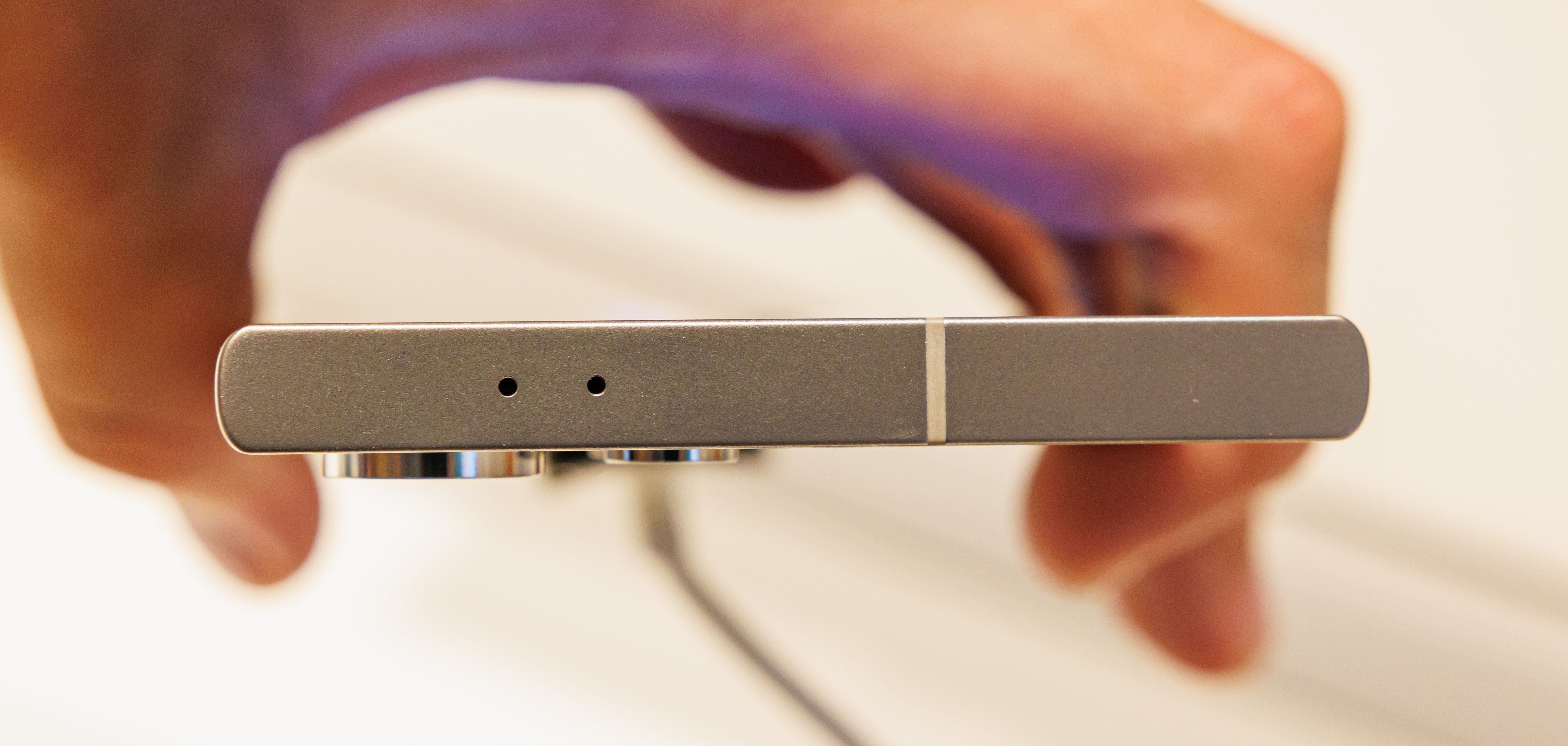
- Launch Price: $1,399
- Display: 6.9-inch Dynamic AMOLED 2X (1-120Hz, integrated privacy viewing filter)
- Processor & Memory: Qualcomm Snapdragon 8 Gen 5 for Galaxy | 12GB / 16GB RAM
- Cameras: 200MP main (1/1.3-inch ISOCELL), 50MP 5x periscope, 50MP 3x telephoto, 50MP ultrawide
- Battery & Weight: 5,000 mAh (60W wired, 15W wireless) | 214 g
Samsung's flagship remains the most versatile enterprise Android workhorse in existence. The standout hardware innovation is a display-level privacy filter that narrows off-axis viewing angles on demand without software degradation. Samsung upgraded its secondary telephoto sensors to 50MP modules across the board, providing seamless zoom stepping from 1x through 10x. While its 5,000 mAh cell and 60W charging speed remain conservative compared to Chinese rivals, the device's seven-year software support commitment and S Pen stylus keep it at the top of the productivity hierarchy.
3. Google Pixel 11 Pro
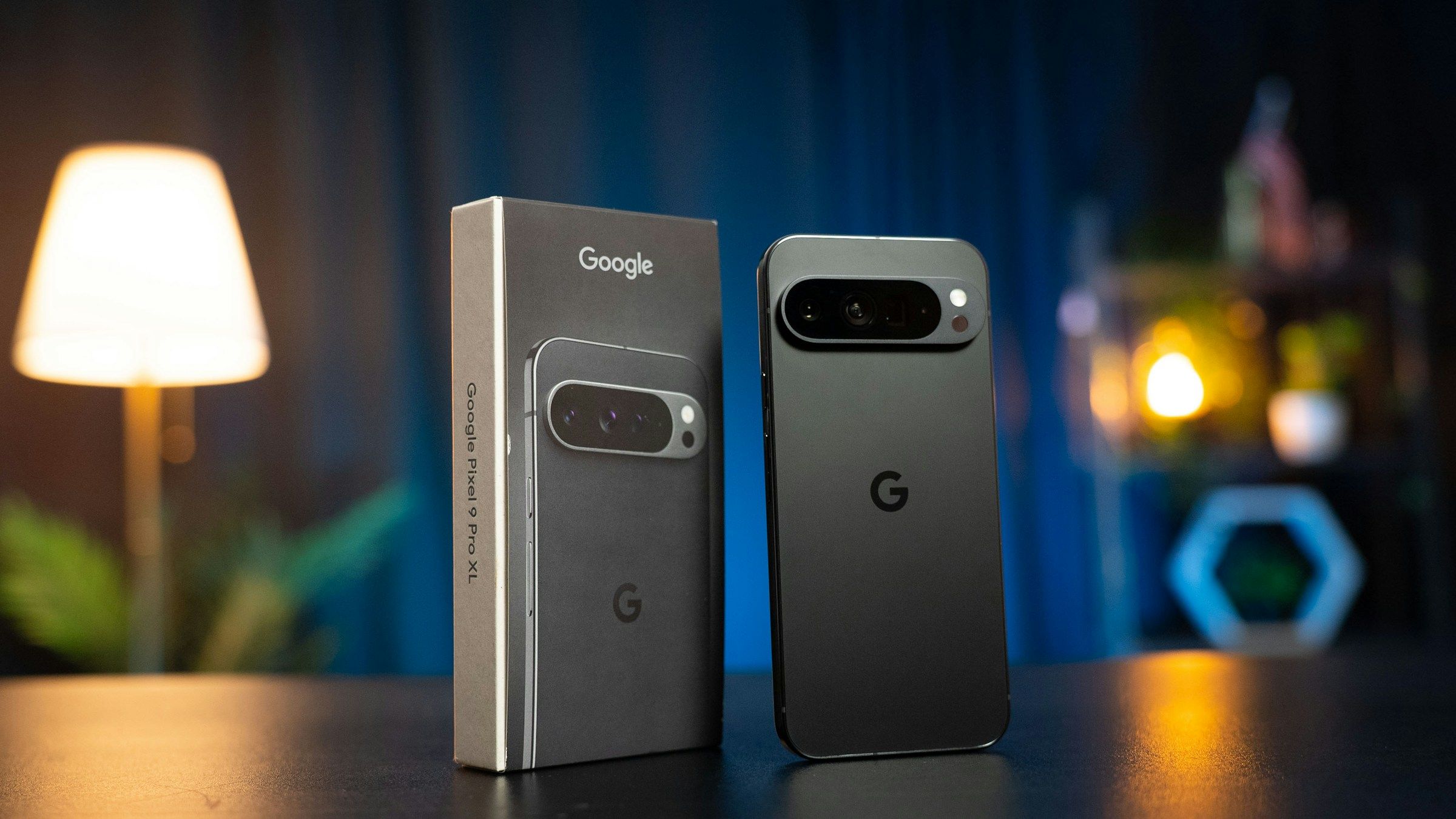
- Launch Price: $1,099
- Display: 6.7-inch Super Actua LTPO OLED (1-120Hz, 3,000 nits peak)
- Processor & Memory: Google Tensor G6 (3nm) | 16GB RAM
- Cameras: 50MP main (1/1.3-inch), 48MP ultrawide with macro focus, 48MP 5x telephoto
- Battery & Weight: 4,850 mAh (37W wired, 23W wireless) | 204 g
For buyers prioritizing effortless point-and-shoot still photography, the Pixel 11 Pro holds the reference standard. Google's computational pipeline produces consistent skin tones, dynamic range and shutter responsiveness across complex backlighting. The Tensor G6 processor operates with refined thermal efficiency, though Google's decision to trim battery capacity to 4,850 mAh means power users will reach for a charger by late evening. In return, the phone delivers a compact, ergonomic 204-gram package that handles effortlessly in one hand.
4. Vivo X300 Pro
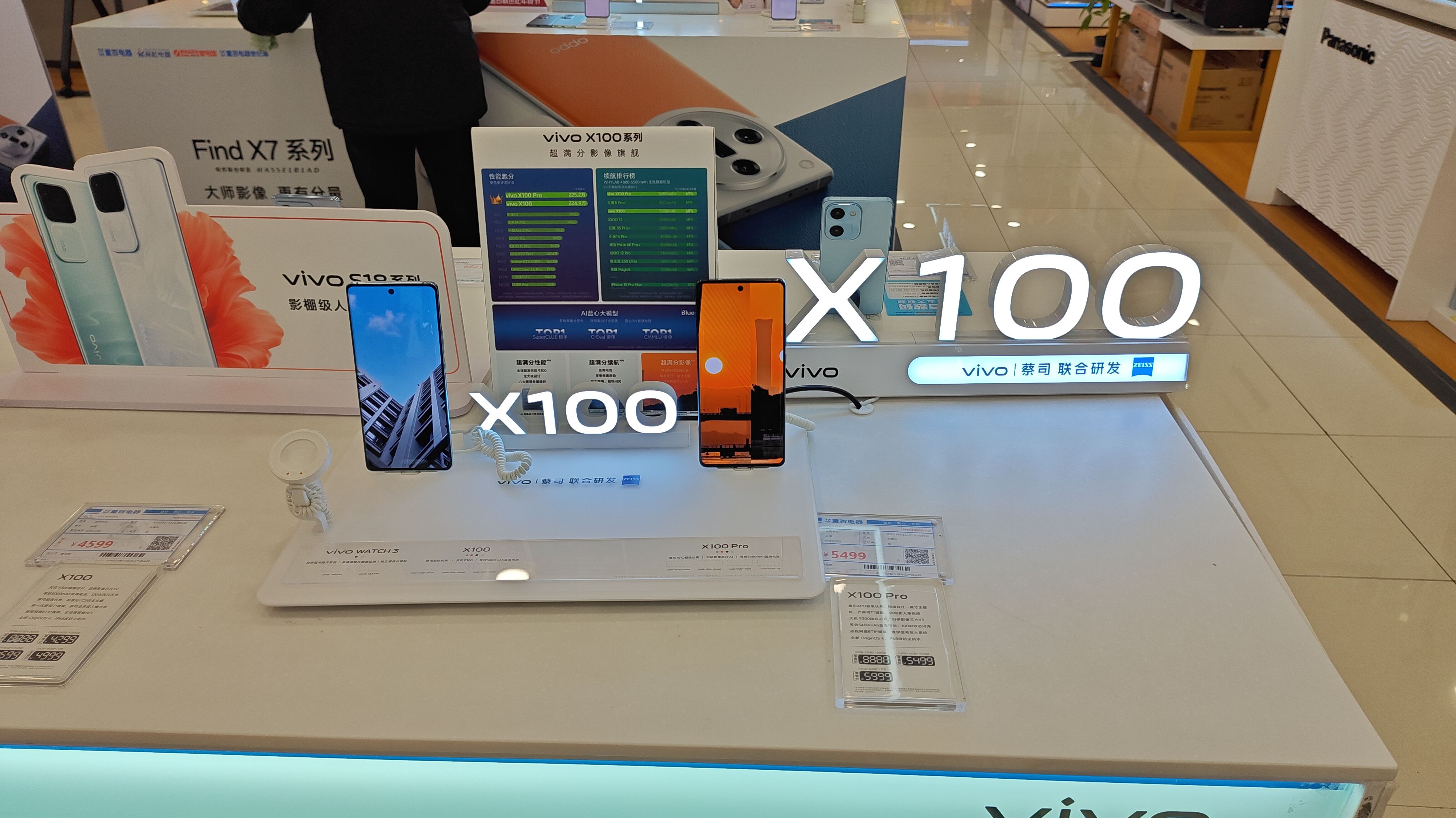
- Launch Price: $1,099
- Display: 6.78-inch LTPO AMOLED (1-120Hz, 4,500 nits local peak)
- Processor & Memory: MediaTek Dimensity 9500 | 16GB RAM
- Cameras: 50MP 1-inch Sony LYT-900 main, 200MP ZEISS APO floating periscope, 50MP ultrawide
- Battery & Weight: 6,510 mAh global / 5,440 mAh EU (90W wired, 30W wireless) | 226 g
The Vivo X300 Pro is an optical powerhouse. Equipped with a floating 200MP ZEISS APO periscope telephoto, it renders long-distance portraits and macro textures with natural depth of field and negligible chromatic aberration.
Buyers must pay close attention to regional spec sheet variations: Vivo produces two versions that share a name, a processor and a price tag while differing by 1,070 mAh of battery. The global model carries a massive 6,510 mAh silicon-carbon cell with class-leading endurance, whereas European units ship with a smaller 5,440 mAh cell to comply with European Union battery documentation, recycling directives and hazardous transport rules. Despite that discrepancy, the camera hardware is identical across both editions, establishing the X300 Pro as the telephoto zoom benchmark of 2026.
5. Oppo Find X9 Ultra
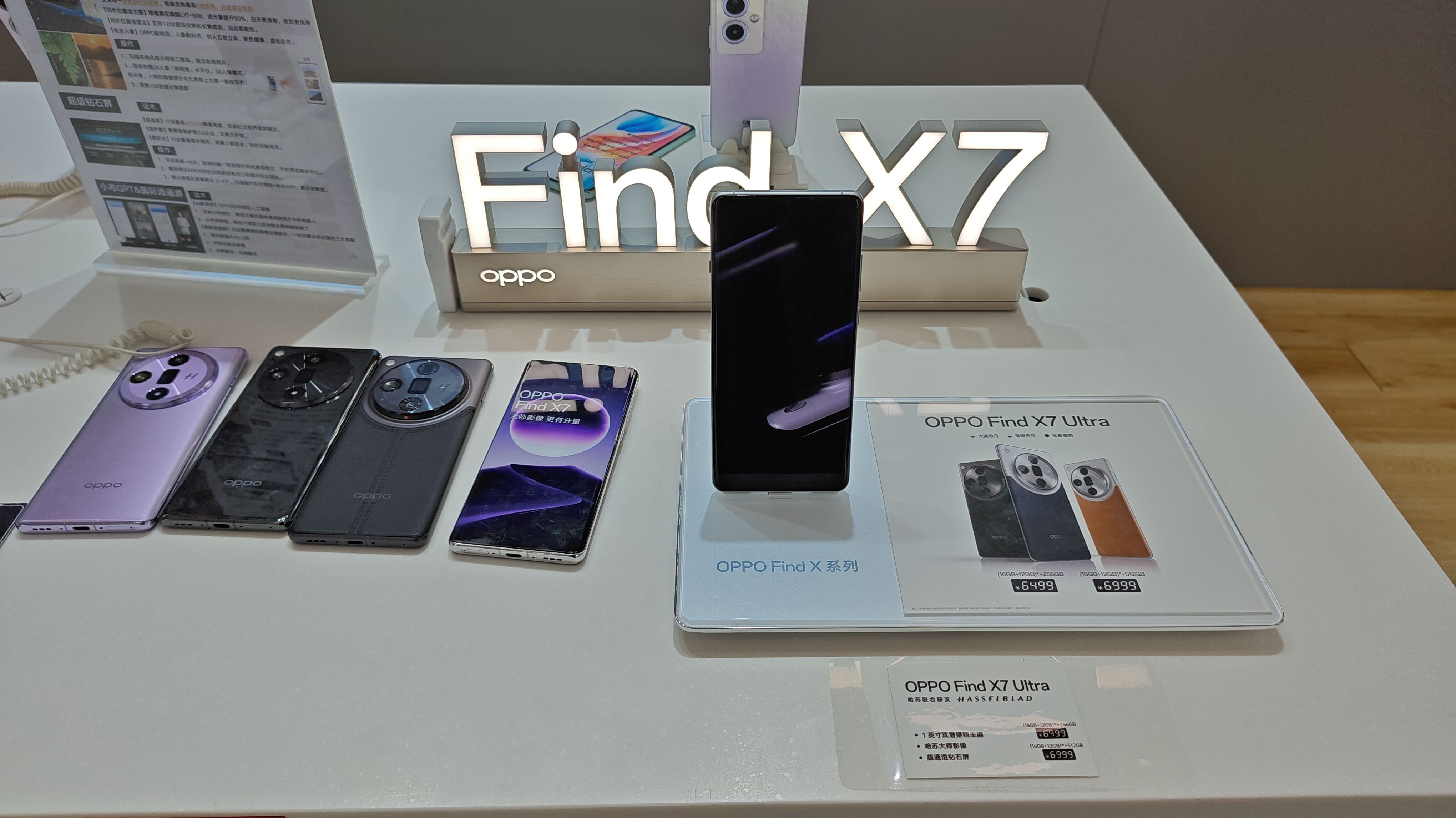
- Launch Price: ~$1,199 (₹1,49,999)
- Display: 6.82-inch QHD+ curved AMOLED (1-120Hz, Dolby Vision)
- Processor & Memory: Qualcomm Snapdragon 8 Gen 5 | 16GB RAM
- Cameras: Quad 50MP array: 1-inch main, 3x periscope (1/1.56-inch), 6x periscope (1/2.51-inch), ultrawide
- Battery & Weight: 7,050 mAh silicon-carbon (100W SuperVOOC, 50W AirVOOC) | 231 g
Oppo achieved a technical landmark with the Find X9 Ultra by integrating dual optical periscope modules alongside a mammoth 7,050 mAh silicon-carbon battery. The dual-periscope architecture provides dedicated optical paths at both 65mm and 135mm focal lengths, eliminating digital interpolation artifacts across the portrait range. Hasselblad color science delivers rich, muted film-like color profiles. Limited retail availability outside Asia and select European territories remains the sole obstacle to wider adoption.
6. Xiaomi 16 Ultra
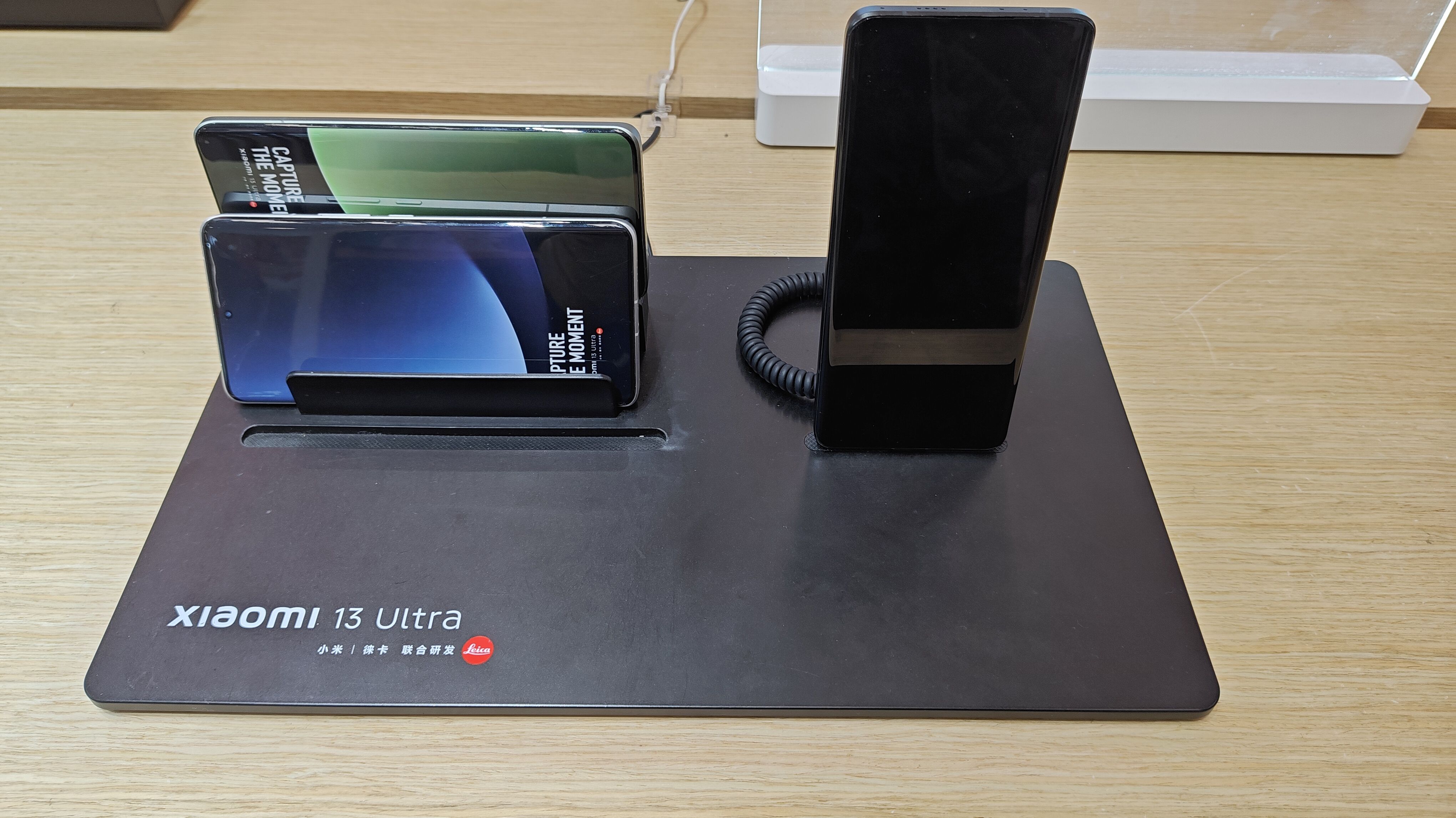
- Launch Price: $1,149
- Display: 6.73-inch WQHD+ LTPO AMOLED (120Hz, 3,200 nits)
- Processor & Memory: Qualcomm Snapdragon 8 Gen 5 | 16GB RAM
- Cameras: Quad 50MP Leica array: 1-inch stepless variable aperture main (f/1.63-f/4.0), 3.2x telephoto, 5x periscope, ultrawide
- Battery & Weight: 6,800 mAh (90W wired, 80W wireless) | 229 g
Xiaomi's collaboration with Leica reaches maturity in the 16 Ultra. A stepless mechanical variable aperture allows photographers to control physical depth of field rather than relying on synthetic computational blur. Street photographers benefit from Leica's high-contrast monochrome tuning and rapid snapshot modes. Combined with a 6,800 mAh high-density cell and 90W fast charging, the device functions as a dedicated travel camera that happens to make phone calls.
7. OnePlus 14
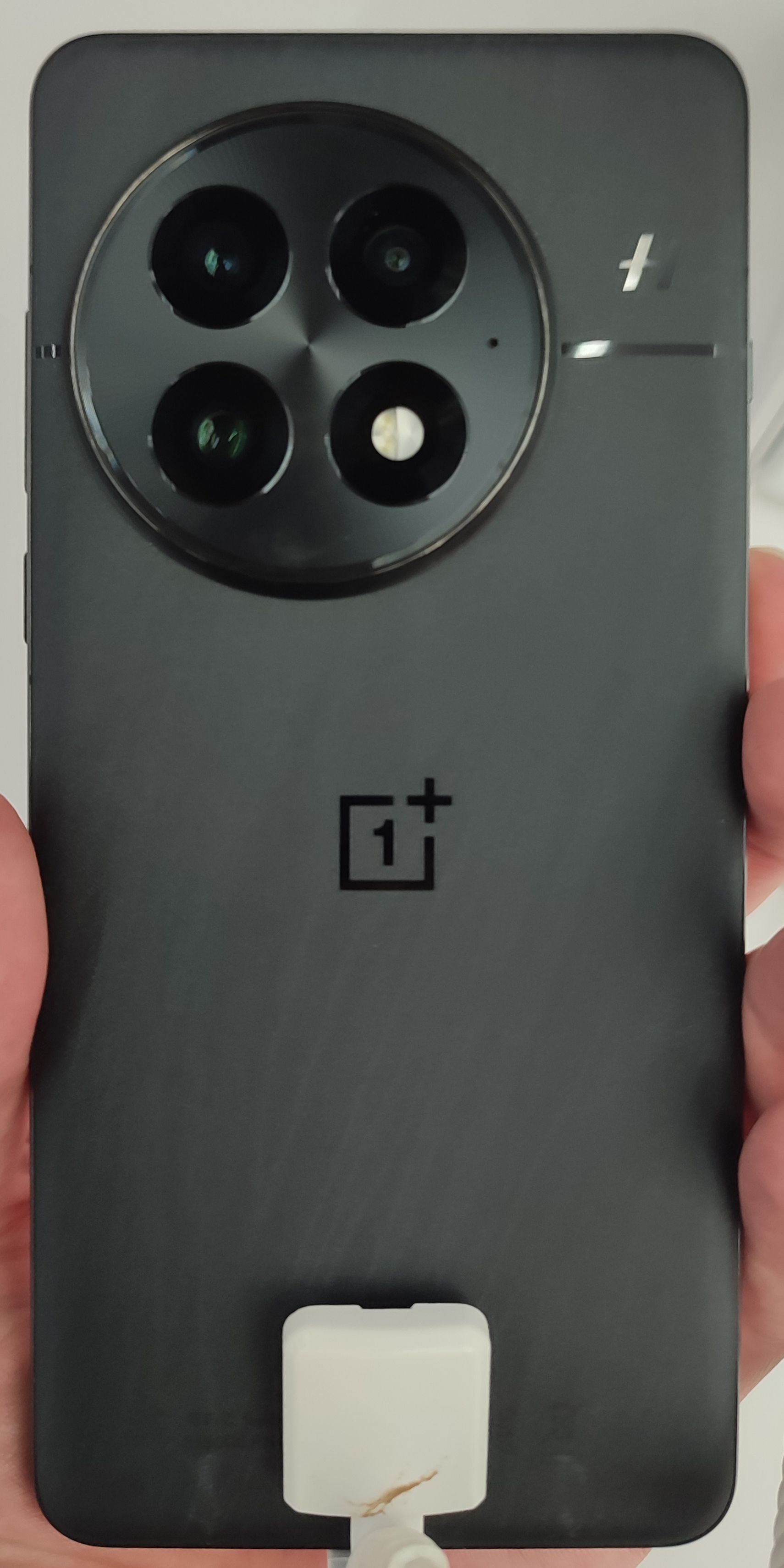
- Launch Price: $899
- Display: 6.82-inch 2K ProXDR AMOLED (1-120Hz, 4,500 nits peak)
- Processor & Memory: Qualcomm Snapdragon 8 Gen 5 | 12GB / 16GB RAM
- Cameras: 50MP Sony LYT-808 main, 64MP 3x periscope telephoto, 48MP ultrawide
- Battery & Weight: 6,000 mAh (100W SuperVOOC, 50W wireless) | 207 g
The OnePlus 14 holds the crown as the premier flagship killer of 2026. By pairing flagship-tier Snapdragon 8 Gen 5 processing with a 6,000 mAh silicon-carbon cell and 100W wired charging, OnePlus delivers 95% of ultra-tier performance at a price hundreds of dollars below Samsung and Apple. The camera system, developed with Hasselblad calibration, delivers sharp, true-to-life images, making this the rational choice for enthusiasts who demand elite hardware without four-figure pricing.
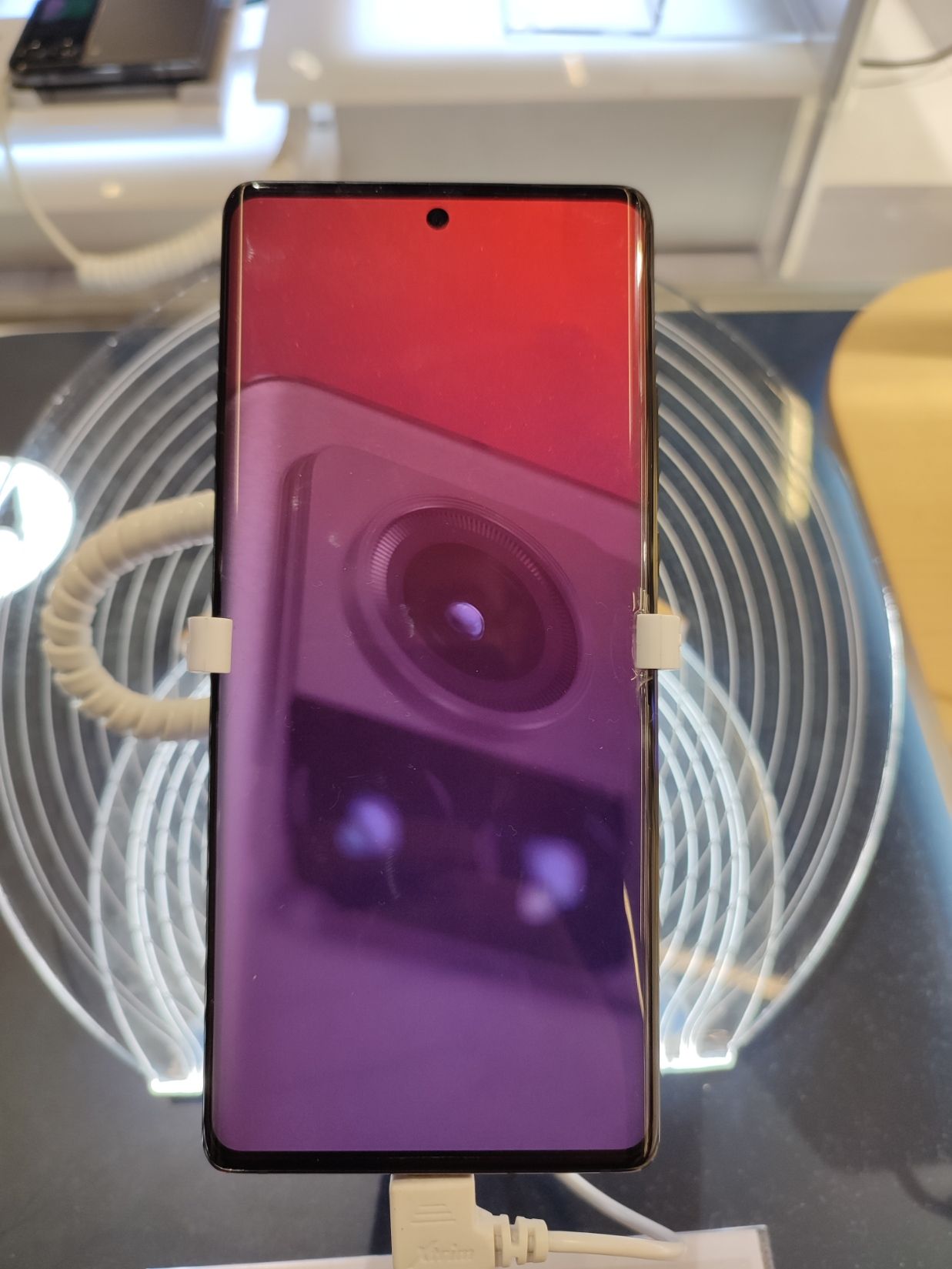
8. Motorola Edge (2026)
- Launch Price: $499
- Display: 6.6-inch pOLED (144Hz refresh rate, HDR10+)
- Processor & Memory: Qualcomm Snapdragon 7s Gen 3 | 8GB RAM
- Cameras: 50MP Sony LYT-700C main (OIS), 13MP ultrawide/macro, 10MP 3x telephoto
- Battery & Weight: 5,000 mAh (68W TurboPower, 15W wireless) | 175 g
Weighing just 175 grams, the Motorola Edge (2026) offers a refreshing departure from two-hundred-gram glass slabs. Motorola managed to house a 5,000 mAh cell and a dedicated 3x telephoto camera inside a slim, IP68-rated vegan leather body. The 144Hz pOLED panel provides butter-smooth scrolling, and clean near-stock Android software ensures responsive day-to-day operation. For buyers who prize pocketable ergonomics over multi-gigabit camera processing, the Edge delivers outstanding daily comfort.
9. Google Pixel 10a

- Launch Price: $499
- Display: 6.1-inch Actua OLED (120Hz refresh rate)
- Processor & Memory: Google Tensor G5 | 8GB RAM
- Cameras: 48MP main (OIS), 13MP ultrawide
- Battery & Weight: 5,100 mAh (18W wired, 7.5W wireless) | 188 g
The Pixel 10a is the unchallenged still photography champion of the mid-tier. By utilizing Google's proven image processing pipeline, this sub-$500 device produces photos that regularly rival handsets costing twice as much. The 5,100 mAh cell represents an impressive $0.098 per milliamp-hour valuation, comfortably supporting a full day and a half of typical mixed use. Seven years of direct Android security patches guarantee longevity unmatched in the budget segment.
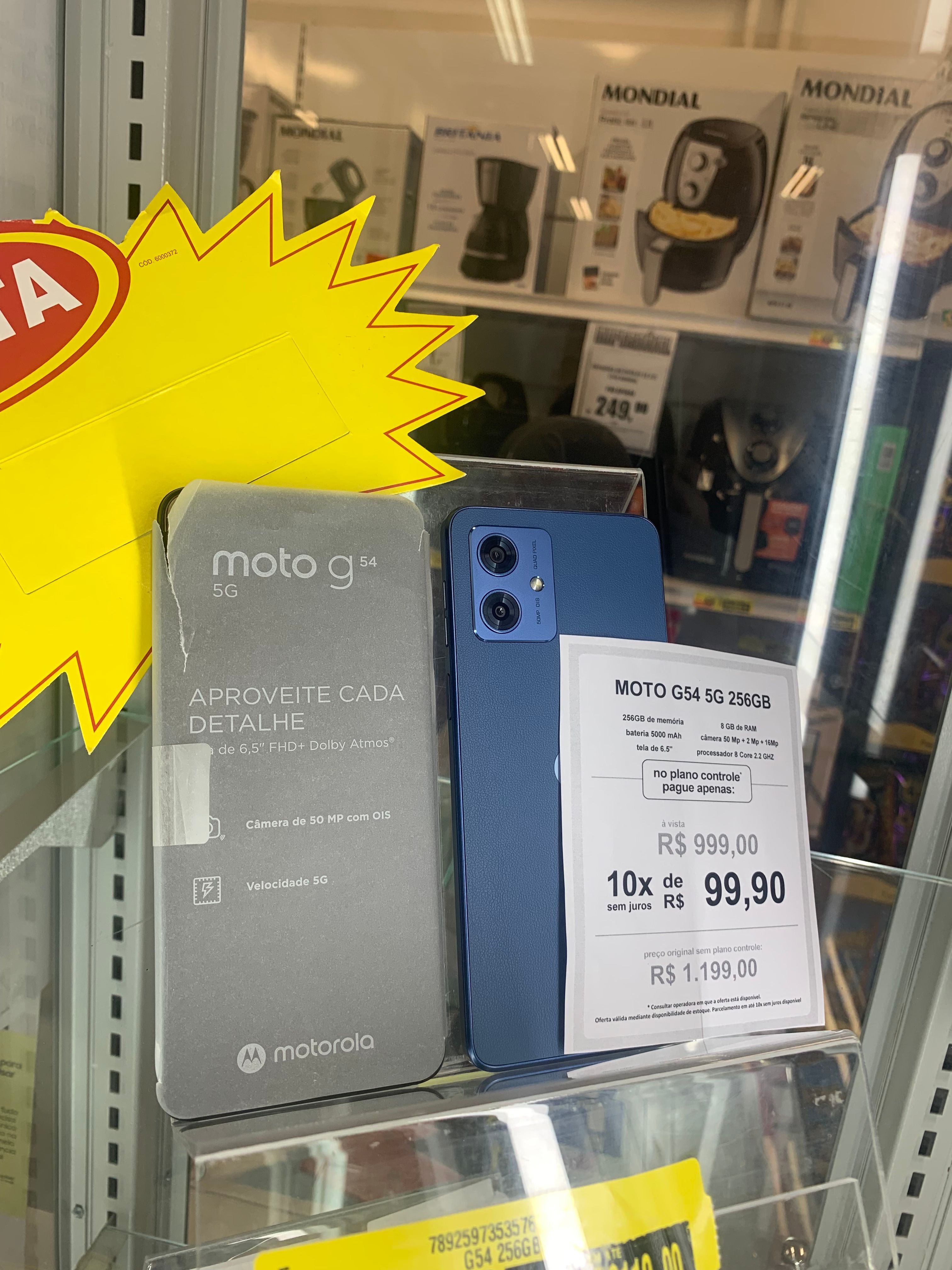
10. Motorola Moto G Power (2026)
- Launch Price: $299
- Display: 6.7-inch FHD+ LCD (120Hz refresh rate)
- Processor & Memory: MediaTek Dimensity 7050 | 8GB RAM
- Cameras: 50MP main (Quad Pixel, f/1.8), 8MP ultrawide/depth
- Battery & Weight: 5,200 mAh (30W TurboPower) | 196 g
At $299, the Moto G Power targets a single unambiguous goal: dependable endurance. Its 5,200 mAh battery easily powers through two full workdays of messaging, navigation and streaming without anxiety. While the LCD panel and dual camera array make obvious concessions to budget constraints, the handset includes stereo speakers, expandable microSD storage and a 3.5mm headphone jack that flagship devices abandoned years ago. For utilitarian buyers seeking unmatched battery efficiency at $0.058 per milliamp-hour, the Moto G Power is impossible to overlook.
Why Last Year's Flagship Remains the Sensible Alternative
The most rational buying strategy in late 2026 remains acquiring a discounted previous-generation flagship. The iPhone 17 Pro Max, discounted to approximately $1,099 at authorized retailers, features a triple 48MP camera setup and pristine 4K video encoding that remains competitive with this year's A20 Pro release. The tangible gap between consecutive generations has compressed to historical lows, meaning savings from previous-generation hardware yield greater consumer value than marginal annual image processing improvements.
Premium brand pricing reflects market positioning rather than purely additive component bills. Consumer loyalty concentrates heavily around the $1,300 bracket, allowing market leaders to extract margins independent of underlying silicon costs.
The Unsolved Silicon-Carbon Anode Equation
Underneath this year's spec race lies a fundamental transition in battery chemistry. High-capacity cells manufactured by Vivo, Oppo and Xiaomi achieve energy densities above 750 Wh/L by replacing conventional graphite anodes with silicon-carbon matrices. Silicon accommodates significantly more lithium ions per unit volume than graphite, enabling thinner chassis designs with 6,500 to 7,050 mAh capacities.
However, silicon expands mechanically by up to 300% during ionic lithiation cycles. While nanotechnology coatings contain this volumetric expansion during initial operation, independent long-term cycle degradation data across varied thermal environments remains sparse. Buyers importing high-capacity silicon-carbon flagships should recognize that whether these ultra-dense cells maintain structural stability beyond two years of rapid fast charging remains an ongoing industrial test.
Comments (0)
No comments yet. Be the first to share your thoughts.