What to Binge This Weekend? The Case Against Binge Lists
Streaming's weekend lists reward habit over quality, but one show genuinely ends this week, and that's the pick.

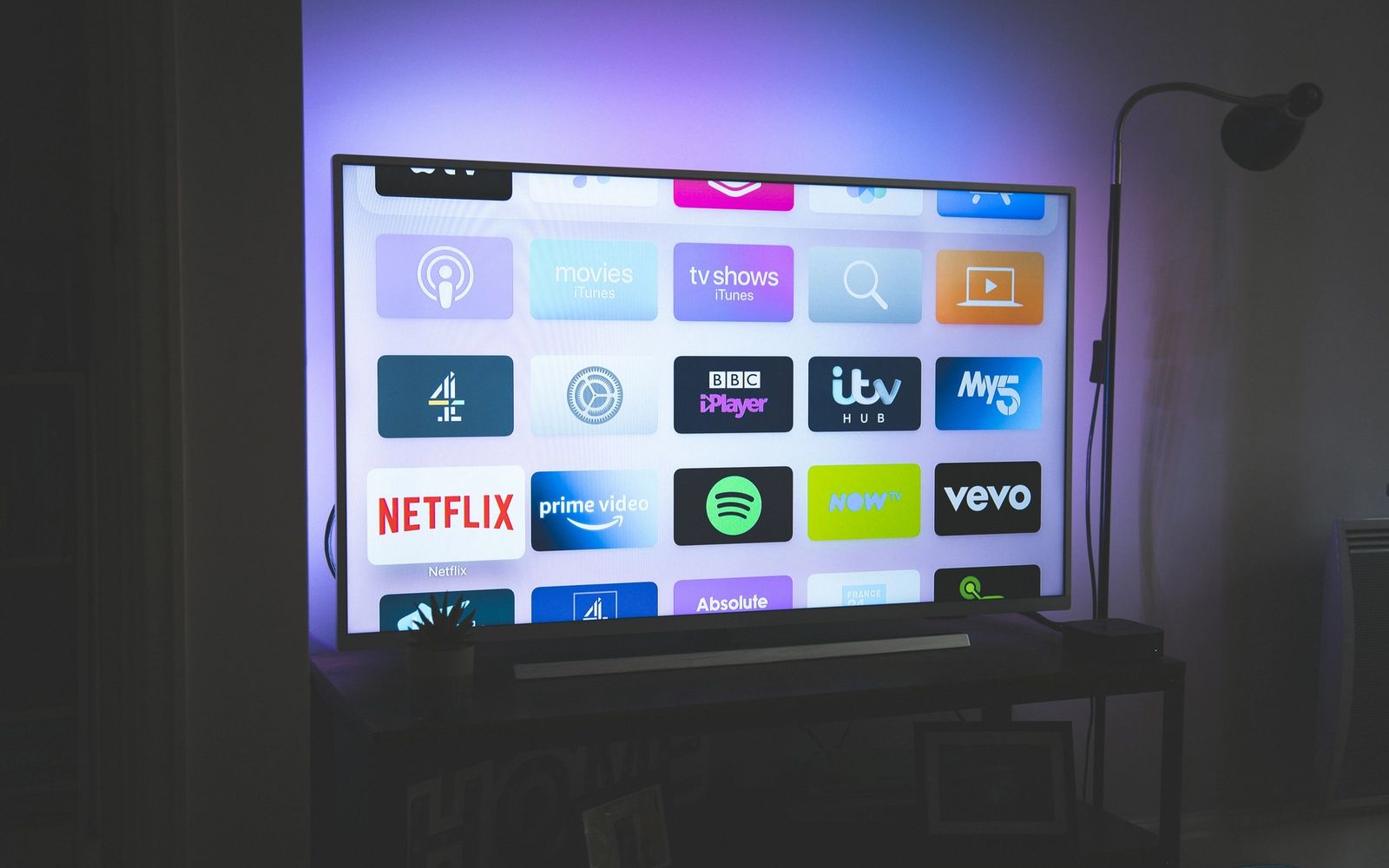
Apple TV's top 10 for Wednesday, October 21 makes an argument that no weekend viewing guide wants to publish. Ted Lasso, a comedy with no new episodes, holds No. 1 with 984 points. Slow Horses, which airs the finale of its sixth season tonight, sits second at 920. Widow's Bay, the Hiro Murai-directed island horror-comedy that dominated this year's Emmy conversation, is fifth at 286.
- 1Charts measure habit, not quality: On Apple TV's October 21 top 10, a finished comedy outranks the finale of the year's best-reviewed drama by more than three to one.
- 2Tonight's Slow Horses finale is the actual pick: Six weeks of weekly episodes land in one 50-minute close, and it's the only thing on any list this weekend you can't mainline.
- 3Most weekend lists recycle: The same handful of titles reappears every Friday, including shows with no new episodes until spring 2027, because the format rewards volume over completion.
Those figures are cumulative demand points, so a comfort rewatch in Manila and a finale night in Manchester both count toward them. Which makes them a more honest document than most recommendation lists. They record what people do with their evenings, not what a column says they should do.

What the Apple TV Chart Is Actually Measuring
Widow's Bay's 286 against Ted Lasso's 984 works out to 29 percent, a gap of more than three to one. That arithmetic, taken from one morning's chart, is the streaming business in miniature. The show people already love beats the show critics spent the summer praising by a factor of 3.4, and no volume of five-star reviews closes the distance.
Blame the chart rather than the audience. Points accumulate with viewing hours, and hours are the cheapest thing in streaming to manufacture because every service is sitting on a library it has already paid for. A title becomes a hit on these rankings when it becomes a habit, and habits form long before anyone writes a finale.
So a guide that points at the top 10 as proof of quality is pointing at familiarity and calling it taste. The chart is a record of what people default to when they can't decide, which is a different and far less flattering document.
The Heavy Gravity of Comfort TV
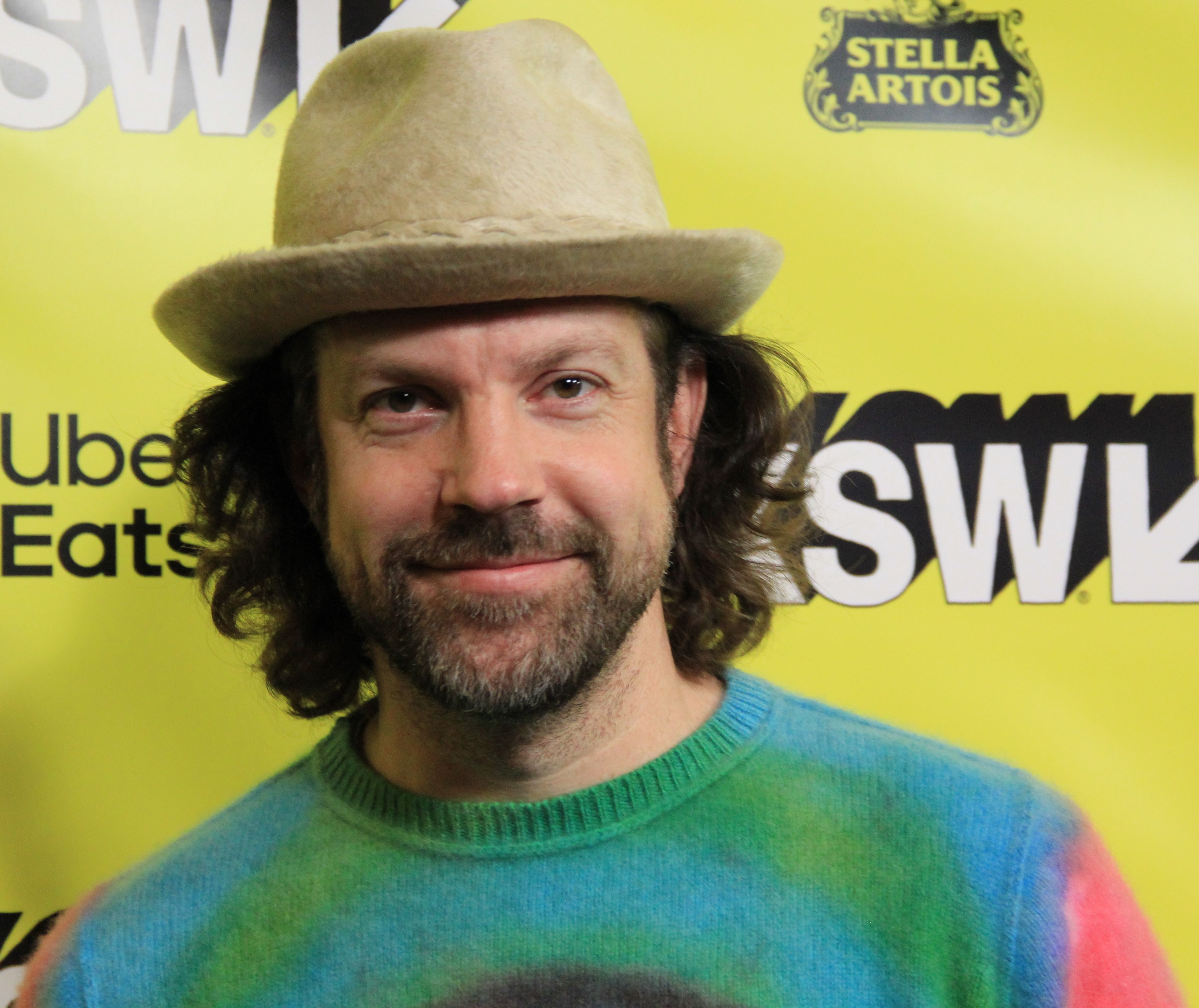
The endurance of Ted Lasso at the top of the board illustrates the quiet economic backbone of modern streaming: background reassurance. Viewers sitting down on a Friday night after a grueling forty-hour work week are rarely in the psychological headspace to audition an experimental eight-episode Norwegian mystery. They want predictability. They want characters whose moral boundaries were established three years ago and jokes whose rhythm they can anticipate.
This creates an inherent distortion in how platforms program and market content. New productions carry enormous customer acquisition costs—talent fees, visual effects budgets, promotional press tours—yet the viewing hours that keep monthly churn low are overwhelmingly generated by the catalog. Ted Lasso doesn't need a marketing budget in October 2026. It simply exists on the home screen as the path of least resistance.
When weekend viewing guides treat chart position as an organic recommendation, they are effectively acting as unpaid PR for passive algorithmic inertia.
The Finale You Can't Rush: The Slough House Antidote
Slow Horses season six premiered on September 16 and has released one episode every Wednesday since, six in total, drawn from Mick Herron's Joe Country and Slough House. Tonight's instalment closes it. Apple has the best-reviewed spy drama on television and chose to make its audience wait six weeks for the ending.
That schedule did work no marketing budget can buy. Nobody could spoil the finale on a Saturday because it didn't exist yet. Nobody could burn through the season in a sitting and drift away by Monday. And the six-week wait became the story of the season, which is the sort of thing a binge dump can never generate.
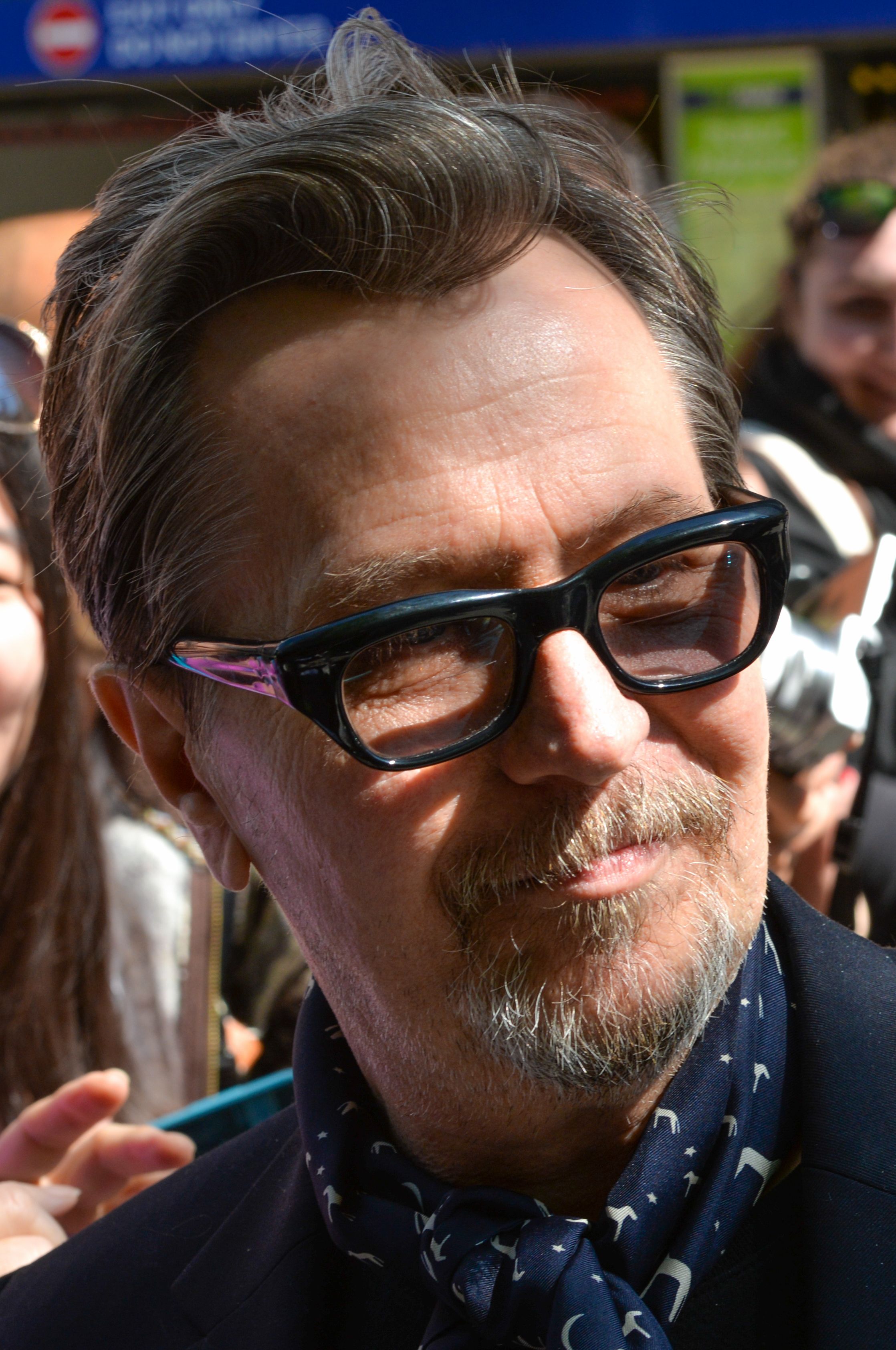
The pick this weekend is therefore small. Fifty minutes tonight if you're current, or about five hours if you want to catch up on the season first, and then it's done. Gary Oldman's Jackson Lamb is why people started watching—a disheveled, flatulent, violently sharp anti-Bond who operates out of a drab administrative purgatory near the Barbican. Diana Taverner turning MI5's least useful department into a weaponized political liability is why they stayed.
The brilliance of Slow Horses is that it respects the viewer's clock. It does not bloat an eighty-minute feature script into a ten-hour endurance test. Each season runs exactly six episodes, moves at breakneck velocity, and finishes before fatigue sets in.
Star City and the Cold War from the Other Side
For viewers seeking an ambitious serialized world rather than a fast conclusion, Star City represents the opposite end of the prestige spectrum. Spun out from the creative architecture of For All Mankind, the series shifts perspective behind the Iron Curtain to the closed military compound of Zvyozdny Gorodok (Star City) in the Moscow Oblast, tracking the Soviet cosmonauts, engineers, and intelligence operatives running their half of the space race.

At a 94 percent critical rating on Rotten Tomatoes, Star City works because it resists easy Western caricature. The show approaches Soviet rocketry not as an evil empire monolith, but as an intensely claustrophobic workplace thriller where brilliant scientists navigate political paranoia, scarce titanium supplies, and the lethal physical hazards of early spaceflight. It demands patience—and delivers the kind of world-building that rewards one episode per week rather than an all-night marathon.
Why the Same Six Shows Keep Appearing
The weekend list has a supply problem it rarely admits. Heated Rivalry, the hockey romance that became a global HBO Max hit last winter, still turns up on 2026 viewing guides. Its second season filmed this summer and won't air until spring 2027. The show is on the list because it's good and because the list needs a recognisable name.
That's the mechanic. Every service raising prices needs subscribers to believe its library is bottomless, and a weekly column naming twelve things is much cheaper than making one thing worth twelve recommendations. Most lists are marketing with a byline, and the recycling is the tell.
The same fragmentation shows up across digital culture. Streaming music has three No. 1 songs right now depending on which chart you consult, and television runs the identical trick with nine-figure budgets. Multiple No. 1s isn't abundance. It's three conglomerates drawing the boundaries so that every platform can claim a victory banner.
Picks That Survive the Weekend
Here's the honest shortlist, with the structural caveats attached where they belong.
If you subscribe to a streaming service primarily to follow a single weekly prestige series, cancel auto-renewal in your account settings immediately after subscribing. Platforms keep your access active through the full 30-day billing cycle, allowing you to catch the finale without rolling over into unwanted recurring monthly charges.
Three of those four picks live on Apple TV+, which is worth naming plainly rather than dodging. Its catalogue is substantially smaller than Netflix's or Amazon's, but it has spent the year concentrating its prestige drama budget in one place. When an editorial columnist hunts for four things genuinely worth forty-five minutes of your Friday night, you end up in the same shop three times. That is an industry reality, not an endorsement.
And here is the short list of what to skip without guilt:
- Re-releases dressed as premieres: A ten-year-old studio film returning to a platform is a licensing renewal transaction, not a cultural event.
- Anything marketed purely on its trailer: A two-minute sizzle reel is a bespoke advertising product, completely detached from whether the ten-hour show has a coherent third act.
- Lists telling you to restart a show you already dropped: If you abandoned a series at season two, the reasons you walked away remain true.
The Weekend Is Smaller Than the Format Admits
Run the arithmetic on the standard internet "What to Watch This Weekend" guide and the premise collapses. Four picks, sixteen to twenty episodes, most running fifty-five minutes with credits. That is twenty-five hours of screen time—more than half of your entire weekend waking life—packaged as casual leisure.
The underlying incentive sits somewhere very different from what the reader imagines. Someone who actually finishes a concise show on Friday night has an empty queue and an immediate incentive to evaluate whether they still need that $18.99 monthly subscription. Someone stuck on episode three of twelve is anchored in place, perpetually paying for the promise of catching up next weekend.
Binge lists are rarely engineered to get you to the credits. They are engineered to keep you stranded in the first act, where the choices feel limitless and the credit card charge feels justified.
Tonight's Slow Horses finale runs fifty minutes. It closes a story told with precision over six weeks, and when the credits roll, it is genuinely finished. That is a far smaller, more restrained recommendation than the streaming industry wants you to take—and it is the only one that leaves your Sunday night intact.
Comments (0)
No comments yet. Be the first to share your thoughts.