What Caffeine Does to Children's Sleep and Brains
A King's College London study links children's caffeine to shorter sleep and brain differences. The fix is timing, not abstinence.

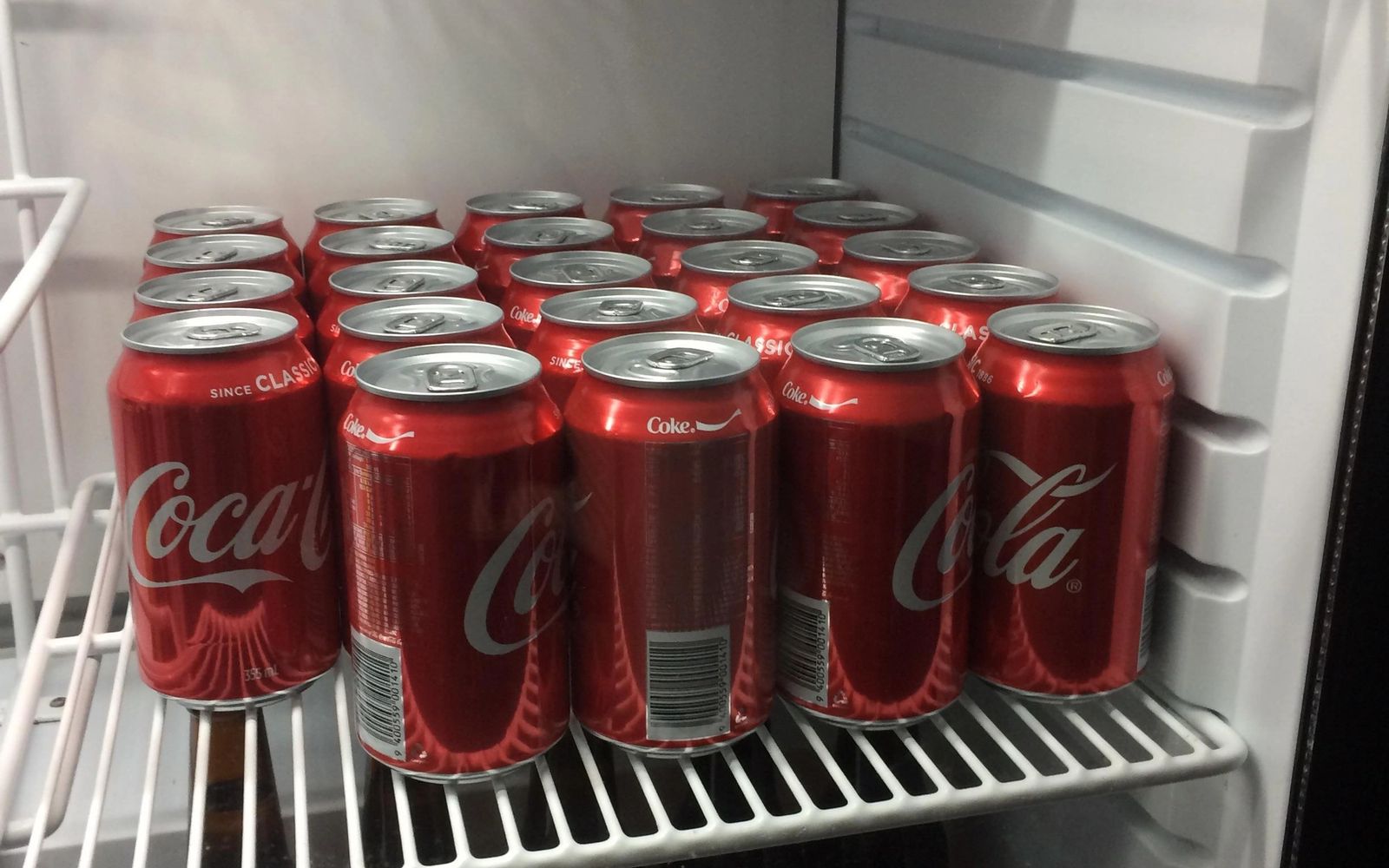
It's half past four on a weekday and a ten year old finishes a can of cola. The dose is modest by adult standards, roughly a third of what sits in a filter coffee, but caffeine clears slowly and a real fraction of it is still circulating at bedtime. A study led by researchers at King's College London's Institute of Psychiatry, Psychology and Neuroscience has now followed that evening forward by 18 months, across 9,632 American children aged nine to eleven.
- 1The finding: A King's College London study of 9,632 children aged nine to eleven found that higher caffeine intake, mostly from soft drinks, tracked with shorter sleep, lower surface area across the cortex, and more mental health difficulties later.
- 2The caveat: The design is observational and the effect sizes are small. The researchers say they can't speak to causality, and a child who sleeps badly may be drinking more caffeine for exactly that reason.
- 3The lever: Since sleep appears to be the mediating channel, an afternoon cutoff does most of the work a ban would do, without the negotiation.
What the Study Actually Measured
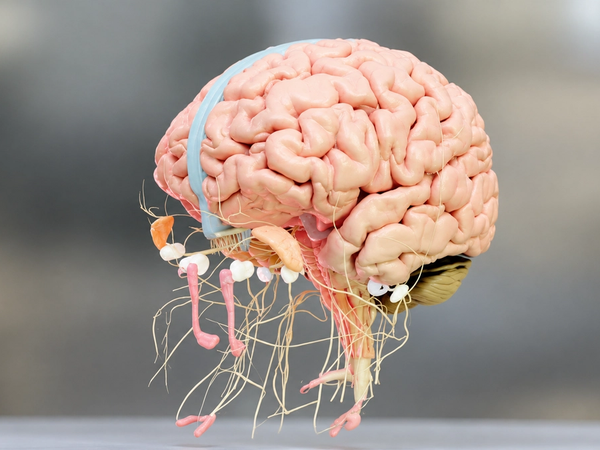
The data comes from the Adolescent Brain Cognitive Development Study, a US cohort tracking thousands of children through puberty. Each child reported how many caffeinated drinks they had in a typical week, covering coffee, tea and soft drinks, while parents reported how long the children usually slept. MRI scans then measured the thickness and surface area of the cortex, the folded outer layer involved in attention, decision making and emotional processing. Most of the caffeine in this group arrived through soft drinks rather than coffee, which changes how the result should be read.
Greater intake tracked with lower surface area across the cortex, shorter reported sleep, and more mental health difficulties when the children were checked again six and 18 months later. The pattern held even at fairly low levels of consumption, which is unusual in nutrition research and is why the paper travelled. It appears in Biological Psychiatry: Cognitive Neuroscience and Neuroimaging.
The design, though, is a single snapshot of intake correlated against measures taken later. The King's College London team was explicit that it can't speak to causality, and the obvious alternative explanation is mundane: a child who sleeps badly reaches for a fizzy drink at lunchtime to get through a double maths lesson. That reverses the arrow without disturbing the correlation at all.
Sleep Is the Channel Being Described
The paper doesn't treat caffeine as a neurotoxin. It points to lower sleep duration as an important link in the chain, which is a claim about a mechanism rather than a claim about damage. Cortical surface area isn't a fixed quantity that gets eaten away by soft drinks. It changes through childhood as the brain prunes and reshapes connections, and sleep is one of the conditions under which that work gets done.
Loading Diagram...(Hard refresh if it doesn't appear)
What makes the sleep explanation credible is timing. Between nine and eleven, children's sleep phase drifts later while school start times stay exactly where they are, so the margin between bedtime and the alarm is already thin. Add a stimulant with a half life measured in hours and the cost isn't the drink itself, it's the 20 or 30 minutes of sleep pushed past the alarm clock night after night.
That also reframes the practical question. If the harm runs through sleep, then when matters as much as how much, and a can at 4pm costs more than the same can at 11am. Shifting the hour is a far easier thing for a household to hold than total abstinence, and it follows directly from the mechanism rather than from willpower.
The Effect Sizes Are Small, and the Cost Is Zero
Prof Derek Hill, Professor of Digital Health at UCL, was blunt about the limits: "While this is an interesting topic to investigate, the study design has significant limitations and care must be taken in interpreting the conclusions." He's right, and the caution doesn't dissolve the finding.
Small is the accurate word. Shifts in average cortical surface area across thousands of children are population level signals, not individual diagnoses, and no clinician will look at a scan of a ten year old and point to a soft drink. The value of work like this is that it identifies a lever with a large sample behind it, not that it proves harm in any single child.
Which is where the trade-off gets interesting. The intervention the study implies, moving caffeine earlier in the day and capping the total, costs nothing and carries no side effects. Most things that improve children's mental health at scale fail one of those two tests.
The Standard Being Applied Is an Adult One
The commonly cited adult ceiling for caffeine is 400mg a day, a number set for a roughly 70kg body. That works out at about 5.7mg per kilogram per day. A ten year old of average build sits near 32kg, so one 330ml can of cola a day puts that child at roughly 1.1mg per kilogram, with two cans landing near 2.1. Nobody publishes a pediatric equivalent of the adult figure, so households scale by instinct.
Read the same intake another way and the gap widens. A single daily can is about 238mg a week, two and a half times the caffeine in the one weekly coffee that made headlines. A daily energy drink at 80mg comes to 560mg a week, close to six coffees. The headline number and the household habit aren't describing the same exposure, which is why the coverage and the study feel slightly out of sync.
None of that arithmetic establishes a threshold, and it shouldn't be read as one. It shows something narrower. The reference values most adults know are calibrated to a body twice the size, and a drink sold in single serve cans invites repetition in a way a brewed cup at home doesn't.
What Precision Mental Health Is Buying Instead
On September 26, 2026, Stanford Medicine and Nature Mental Health convened an international group for the first workshop of the Precision Mental Health Commission, chaired by Leanne Williams, director of Stanford's Center for Precision Mental Health. The commission's two year brief is to build a roadmap for translating brain imaging into individualized psychiatric care, the way cardiology moved from symptoms to measured function. The ambition is legitimate, and the oncology comparison isn't hype.
But the deliverable is a diagnostic architecture that needs scanners, specialists and reimbursement, and it will reach the children in this study when they're adults with their own children. The caffeine finding asks for something far less impressive: a cutoff hour and a household that keeps it. Funding the scanner is easy and enforcing the cutoff is hard, which is roughly why the second gets called unglamorous while the first gets a commission.
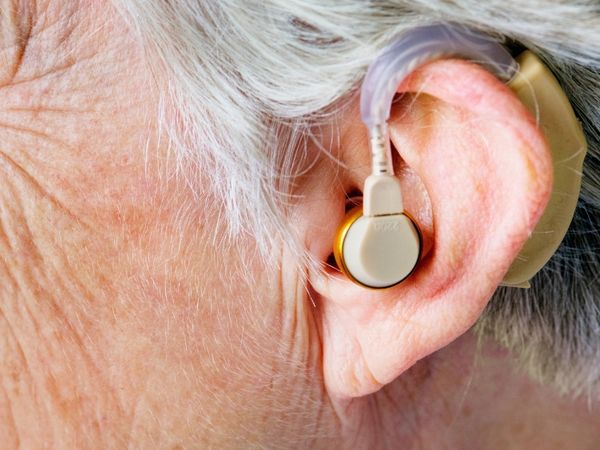
The asymmetry shows up elsewhere in brain health. Hearing loss, a cheap and fixable input, has a stronger long term cognitive signal than most of what sells as optimization, and it still loses attention to anything with a device attached. Structural inputs we can already control keep finishing second to interventions that photograph well.
The Rule That Survives Contact With a Real Evening
If the mechanism is sleep, the rule follows from it rather than from fear. Four things a household can actually control:
- A cutoff hour set by the clock, not by the day's mood, so nobody is negotiating at seven in the evening.
- Serve size, because a 500ml bottle is not one serving and children drink the bottle.
- The quiet sources, since caffeine sits in iced tea, chocolate milk, some protein bars and a few headache tablets that don't announce themselves.
- A four week window before judging it, because sleep consolidates over weeks and one good night proves nothing.
Note: Most labels list caffeine per 100ml rather than per container. Multiply by the size of the bottle before deciding the dose is small.
Nine thousand children, 18 months of follow-up, and the intervention that falls out of the other end is a clock on the kitchen wall, set to a time nobody in the household argues about after dinner.
Comments (0)
No comments yet. Be the first to share your thoughts.