Lions' Den Nigeria: The Show, the Lions, and Why There's No Season 3 (Yet)
Nigeria got its own Shark Tank in 2021. Two seasons and thousands of pitches later, the cameras have gone quiet with no explanation

Nigeria got its own version of Shark Tank in 2021. Two seasons and thousands of applications later, the cameras have gone quiet, and nobody at the production company has said why. Here's everything a founder needs to know before deciding whether to wait for it to come back.
What Lions' Den Nigeria Actually Is
Lions' Den is Nigeria's licensed adaptation of the global "Den" format that produced Dragons' Den in the UK and Shark Tank in the US. Produced by Lagos-based Ultima Studios, the show puts entrepreneurs in front of five wealthy Nigerian investors, called Lions, who can choose to fund a pitch in exchange for equity.
Season 1 premiered on October 10, 2021, airing on DStv's Africa Magic. It was backed by a serious lineup of institutional support. Ecobank and Chapel Hill Denham sponsored the show, and the Bank of Industry and the Development Bank of Nigeria also lent their support. Season 2 followed in 2022, building on a first season that had already generated genuine buzz around Nigeria's startup and small-business scene.
It's worth being precise about what the show is not. It isn't a government program, a grant scheme, or free money. It's equity financing, filmed for television, with all the pressure and scrutiny that comes with negotiating for your company's future on camera.
How a Pitch in the Den Actually Works
The mechanics closely mirror the international format. Here's the process, based on the show's own published rules:
- Entrepreneurs open by stating their name, their business, how much money they're asking for, and what percentage of equity they're offering in exchange.
- They aren't required to answer every question a Lion asks. That said, refusing to answer something like a question about net profit can affect whether a Lion decides to invest.
- Founders can ask the Lions questions too, to gauge whether an investor is actually the right fit for their business.
- Anything said in the Den can end up on air.
- A pitch ends once all five Lions have said "I'm out." Once a Lion is out, they're out for good. They can't jump back into the negotiation later.
- A single deal can involve one Lion or all five, splitting the investment and equity between however many choose to participate.
What doesn't always come across in the edited clips is what happens after the cameras stop. Because the on-air pitch is short, Lions often invite entrepreneurs back to their own offices for a longer, more detailed presentation before any money changes hands. Real due diligence follows: checking the numbers, checking the team, checking whether the business can actually do what the founder claims. Bolaji Balogun, one of the Lions, has said publicly that he received eleven offers to review from Season 2 alone, and that not all of them survived scrutiny. In at least one case, he passed after discovering the founder had emigrated and the remaining leadership team didn't fully understand the business.
That's the part every applicant should sit with: a "yes" in the Den is the start of a negotiation, not the end of one.
Meet the Lions
Season 1 and Season 2 were anchored by the same five investors, a deliberate mix of finance, real estate, industrial, and consumer-brand backgrounds. Here's who they are.
Kyari Bukar, Private Equity & Financial Services
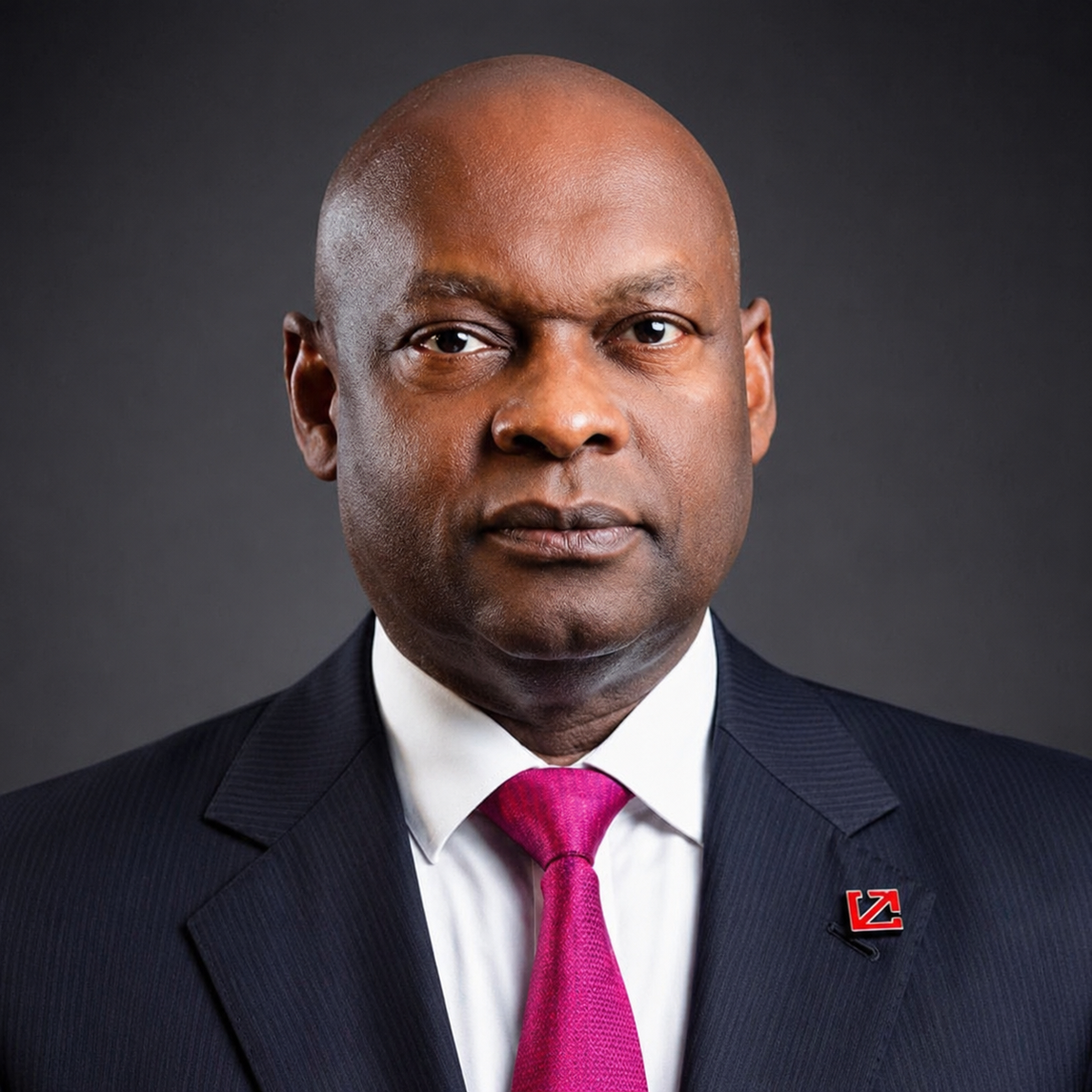
Co-Founder and Managing Partner of Trans-Sahara Investment Corporation, a private equity firm that develops and manages direct investments across sub-Saharan Africa, with a focus on West Africa. Bukar's career spans more than three decades in financial services, technology, and investment banking. Before founding TSIC, he was Managing Director/CEO of the Central Securities Clearing System (CSCS), Nigeria's central securities depository, and earlier led ValuCard Nigeria (now Unified Payments), where he was instrumental in bringing Visa cards into the Nigerian market. He spent 17 years in the United States, including a stretch at Hewlett-Packard managing a multibillion-dollar business unit, before returning to Nigeria. He's also served as Chairman of the Nigerian Economic Summit Group and holds board positions across insurance, payments, and technology companies.
Adenike Ogunlesi, Consumer Brands & Retail
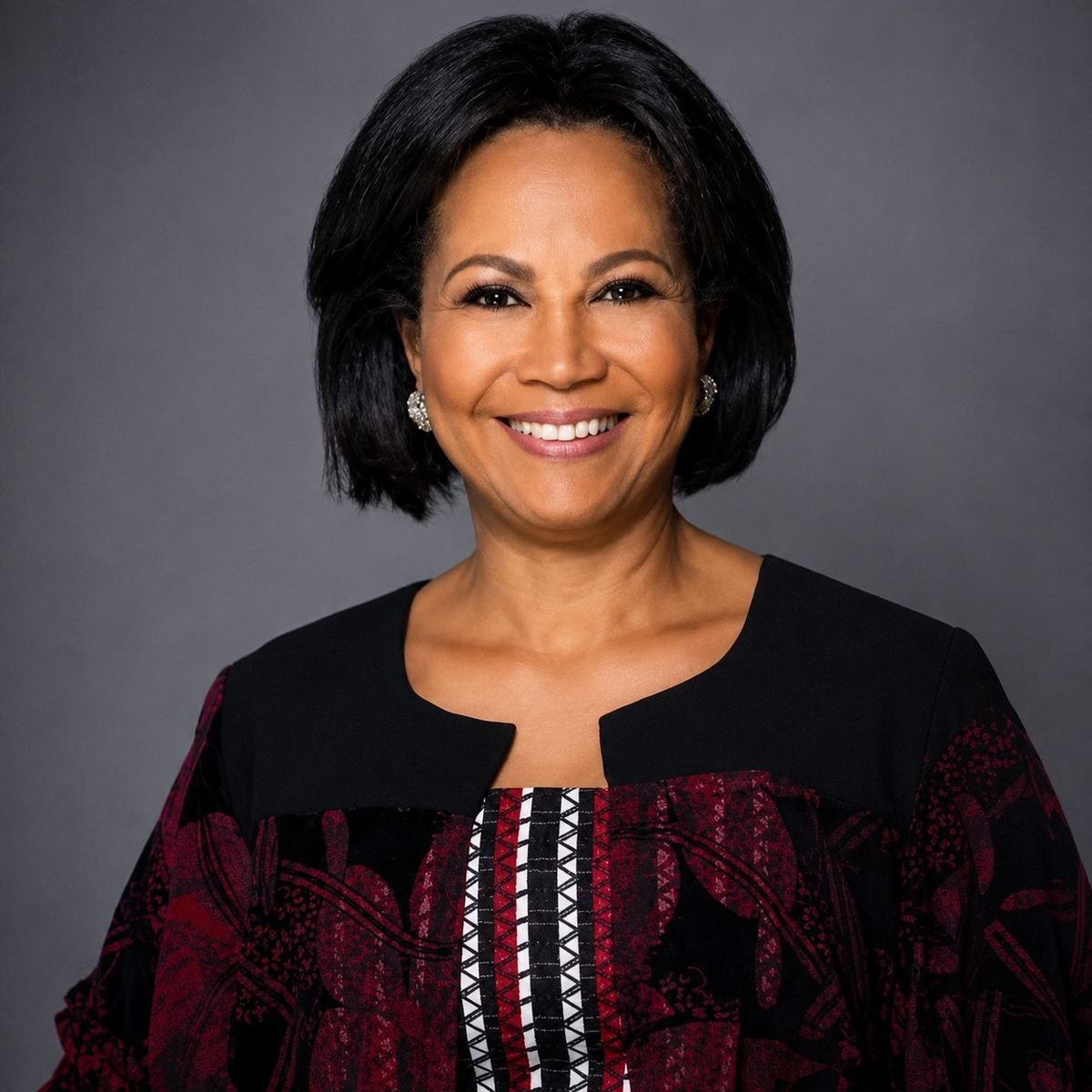
Founder and Creative Director of Ruff 'n' Tumble, Nigeria's leading children's clothing brand. Ogunlesi started the company in 1996 selling hand-sewn pyjamas out of the boot of her car, after struggling to find affordable, well-made children's clothes in the local market. Ruff 'n' Tumble now operates across multiple Nigerian cities and is recognized as one of West Africa's most established homegrown fashion brands. Beyond the business, Ogunlesi is a prominent advocate for women entrepreneurs in Nigeria. She's a founding member of the Network of Entrepreneurial Women and has mentored through programs like WISCAR (Women in Successful Careers) and the Lagos Business School's Enterprise Development Centre.
Paul Onwuanibe, Real Estate & Hospitality
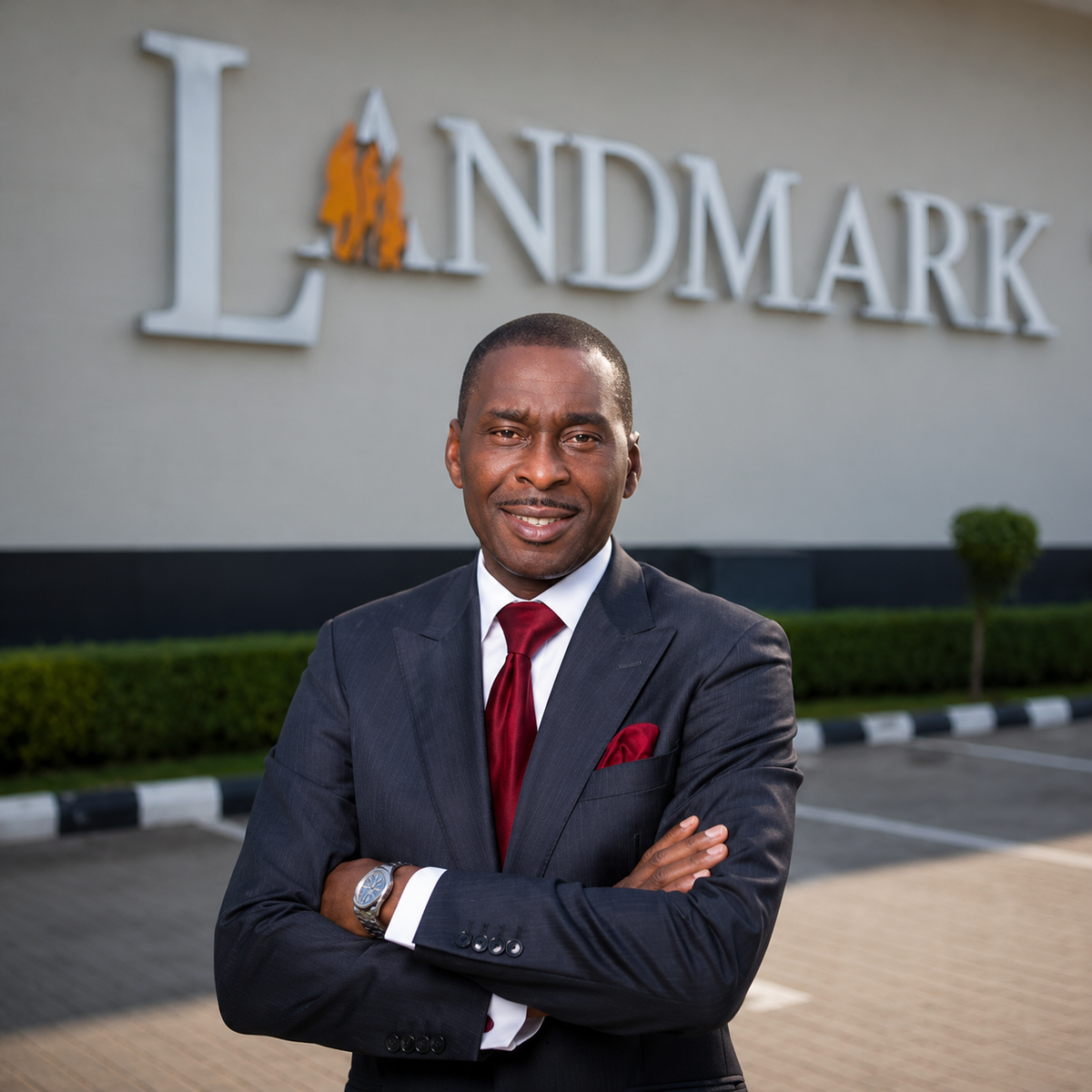
Founder and Group CEO of Landmark Africa Group, the company behind Landmark Lagos, one of West Africa's most visited leisure, hospitality, and commercial real estate destinations, home to properties including Hard Rock Café Lagos and the Landmark Event Centre. Onwuanibe trained as an architect before moving into commercial property, working with Regus during its global expansion prior to founding Landmark in 1997. He holds an MBA from London Business School and has raised more than $100 million in funding for Landmark over his career. On the show, Onwuanibe has been notably willing to walk away from a pitch even when the numbers look attractive, if he isn't convinced the founder can execute.
Dan Ngerem, Oil & Gas / Industrial Services
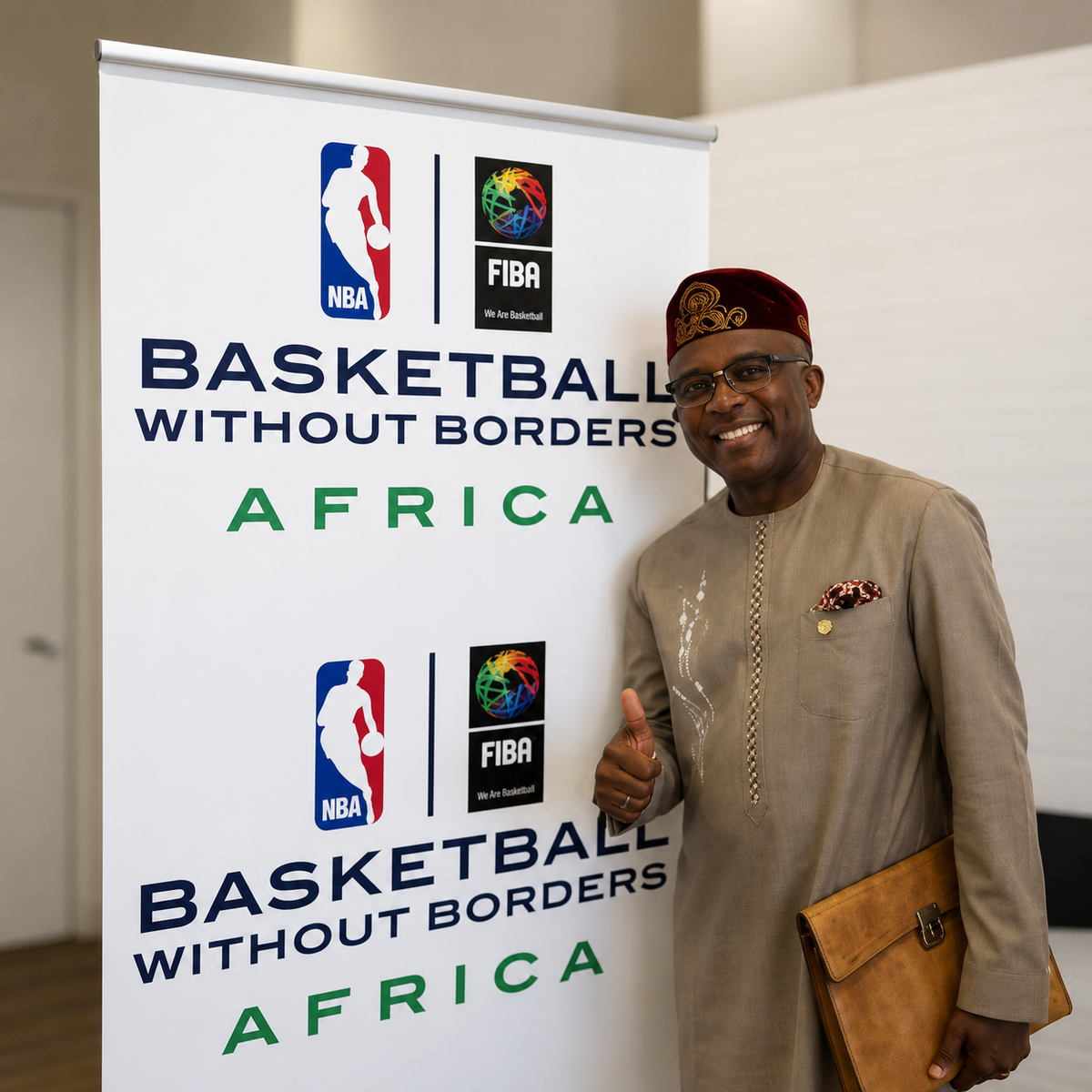
Founder and Chairman of Hensen Trust Group, a diversified service provider spanning oil and gas field services, power generation, fire protection, property investment, and safety and environmental services. Ngerem built his name in Nigeria's energy sector before expanding into sports administration and media. He's held leadership roles in Nigerian and African athletics governance and founded the Dan Ngerem Sports Foundation. He holds an MBA in sports management from Vytautas Magnus University in Lithuania.
Bolaji Balogun, Investment Banking
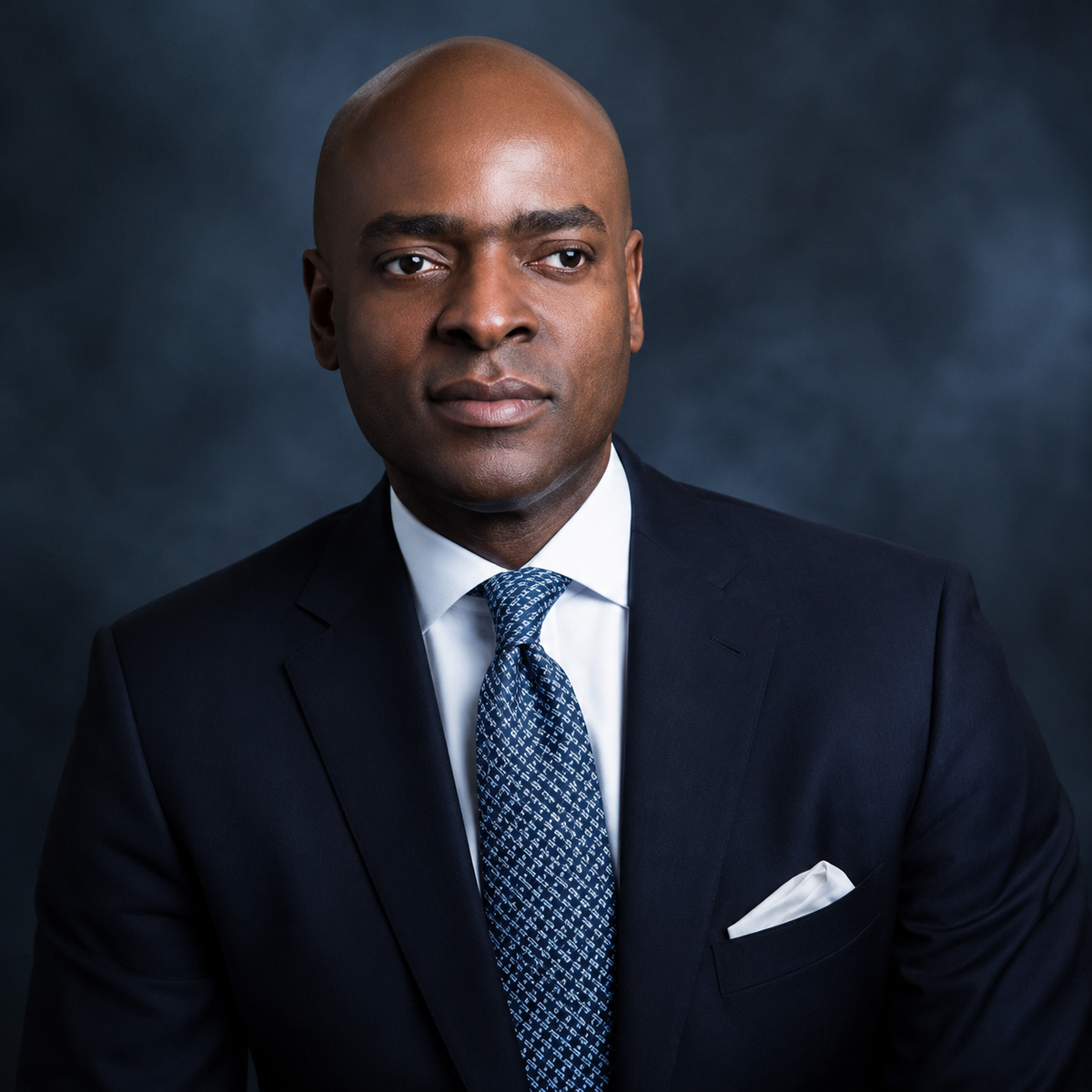
Chief Executive Officer of Chapel Hill Denham, widely regarded as one of Nigeria's leading independent investment banks and alternative asset managers, with funds spanning infrastructure, real estate, and SMEs. Balogun spent over a decade at FCMB Group before co-founding Econet Wireless Nigeria (now Airtel Nigeria) in 2001, where he led the capital raise and license bid for the company's $285 million GSM license. Econet's later $1.67 billion sale to Celtel remains one of the largest successful private-investment exits in Nigerian history. He founded Chapel Hill in 2005 and has since chaired Lafarge Africa and Endeavor Nigeria, among other board roles.
The Deals: What Actually Happened in the Den
Beyond the format, what makes the show worth watching, and worth pitching to, is that real money changed hands on camera. In the debut episode alone, two of four entrepreneurs walked away with funding. Oke Ese secured ₦40 million from four of the five Lions in exchange for 40% equity in his company, with the Lions citing his ability to spot market opportunities as the deciding factor. In the same episode, Michelle of 989Spaces pitched for ₦100 million and also secured backing from four Lions, though Paul Onwuanibe declined both deals. In one case he advised a founder to pursue a bank loan instead of giving up equity, and in the other he cited a prior relationship with the founder that raised transparency concerns for him personally.
That pattern held throughout the show's run: rejection was common, and even the founders who got a "yes" from multiple Lions rarely got a clean sweep. Businesses that got turned down were often cited for being non-scalable or "unbankable," the Lions' term for ideas that look good in a pitch but don't hold up financially.
After the Cameras Stop: The Part Nobody Pitches For
The most useful reporting on the show, from Nigerian tech outlet TechCabal, focused on what happens after an episode airs, and it's a useful reality check for anyone considering applying. Getting a "yes" from a Lion on camera is not the same as getting a wire transfer. Every verbal offer goes through due diligence, and Lions can and do walk away during that process if the numbers or the team don't hold up under closer inspection.
It's also worth understanding who actually gets selected to pitch in the first place. Season 1 drew over 2,000 applications, of which roughly 500 entrepreneurs were shortlisted. That means the on-air pitch is already the result of a serious filtering process before a founder ever meets a Lion.
Where Things Stand: No Season 3, No Explanation
Here's the part every founder searching for this show right now actually needs to know: as of this writing, Lions' Den Nigeria has not returned for a third season. Season 2 concluded in 2022, and there has been no formal announcement from Ultima Studios of a Season 3 casting call, air date, or production timeline.
That doesn't mean the brand has disappeared entirely. Ultima's Lions' Den social pages have remained active, sharing clips and older pitch footage as recently as 2025, and the show's official website is still live with information about past seasons. But "the page is still up" and "a new season is confirmed" are two very different things, and right now, only the first one is true.
Media coverage and public information don't offer a clear reason for the gap. It could be scheduling, funding, a shift in Ultima Studios' production priorities, or simply a pause between seasons that hasn't been publicized. There's no confirmed answer either way, and readers should treat any claim otherwise with skepticism until Ultima says so directly.
How to Apply, Whenever It Reopens
Nobody can apply to Lions' Den Nigeria right now, because there's no open season. But based on how the Season 2 application process worked, here's what a founder should have ready if and when casting resumes:
- Eligibility basics: Applicants needed to be Nigerian citizens or residents, and could not be related to any core member of the production or project team.
- A funded Ecobank account: Season 2 applicants had to open a personal or business Ecobank account (or use an existing one) and deposit ₦10,000 as part of registering their application.
- A complete application form, submitted through the show's website, along with an elevator pitch video introducing the business.
- Patience for the verification process: After applying, shortlisted founders were contacted for a verification call, during which Ultima's team assessed whether the business was genuinely investment-ready before helping develop it into a full pitch for the Lions.
- A real pitch, not just an idea: Given that Season 1 alone had roughly 500 shortlisted entrepreneurs out of over 2,000 applicants, a functioning business with real numbers behind it has always had a significant edge over an early-stage concept.
If you're serious about applying whenever the show returns, the smartest use of the downtime is preparing the pitch itself: clean financials, a clear equity ask, and honest answers to the exact kind of scrutiny Bolaji Balogun and Paul Onwuanibe have shown they're willing to apply on camera.
Should You Wait for Lions' Den, or Look Elsewhere?
This is the honest question every Nigerian founder eyeing the show should ask themselves. Lions' Den offered something genuinely rare: direct access to five heavyweight investors, a media platform, and a fast-tracked due-diligence process, all in one shot. But with no season currently running and no confirmed return date, treating it as a funding strategy right now means planning around a show that may or may not come back.
That doesn't mean the show's value disappears in the meantime. The same qualities that made a pitch work in the Den, a scalable model, provable numbers, and a founder who can survive tough questioning, are exactly what any investor is going to look for, on TV or off it. Angel networks, venture funds, and bank-backed SME financing (some of the same institutions that originally backed Lions' Den, like Ecobank, the Bank of Industry, and the Development Bank of Nigeria) remain active funding paths in Nigeria regardless of whether a new season is announced.
The smartest move for founders right now isn't refreshing the Ultima Studios website for a Season 3 announcement. It's building the version of their business that would survive a pitch to Kyari Bukar, Adenike Ogunlesi, Paul Onwuanibe, Dan Ngerem, or Bolaji Balogun, whether or not the cameras are rolling.
Frequently Asked Questions
Is Lions' Den Nigeria still on air?
No new episodes are currently airing. The show ran for two seasons, in 2021 and 2022, and there has been no official announcement of a Season 3 as of this writing.
How do you apply for Lions' Den Nigeria?
There is currently no open application window. When the show has cast previous seasons, applicants needed to be Nigerian citizens or residents, open or use an Ecobank account with a ₦10,000 deposit, submit an application form and elevator pitch video through the show's website, and pass a verification call before being developed into a full pitch.
Who are the Lions on Lions' Den Nigeria?
The panel has featured Kyari Bukar (Trans-Sahara Investment Corporation), Adenike Ogunlesi (Ruff 'n' Tumble), Paul Onwuanibe (Landmark Africa Group), Dan Ngerem (Hensen Trust Group), and Bolaji Balogun (Chapel Hill Denham).
Does getting a "yes" from a Lion guarantee funding?
No. An on-air agreement is followed by a due diligence process, during which a Lion can decline to move forward if the business doesn't hold up under closer review of its financials, team, or scalability.
Is Lions' Den Nigeria the same as Shark Tank or Dragons' Den?
It's Nigeria's version of the same international format. Entrepreneurs pitch investors for funding in exchange for equity, produced locally by Ultima Studios rather than being a rebroadcast of the US or UK shows.
Comments (0)
No comments yet. Be the first to share your thoughts.