
Silicon Stitches and the Death of the Sketchbook
When algorithms drape fabric across digital mannequins, what happens to the human hand that once trembled over linen?

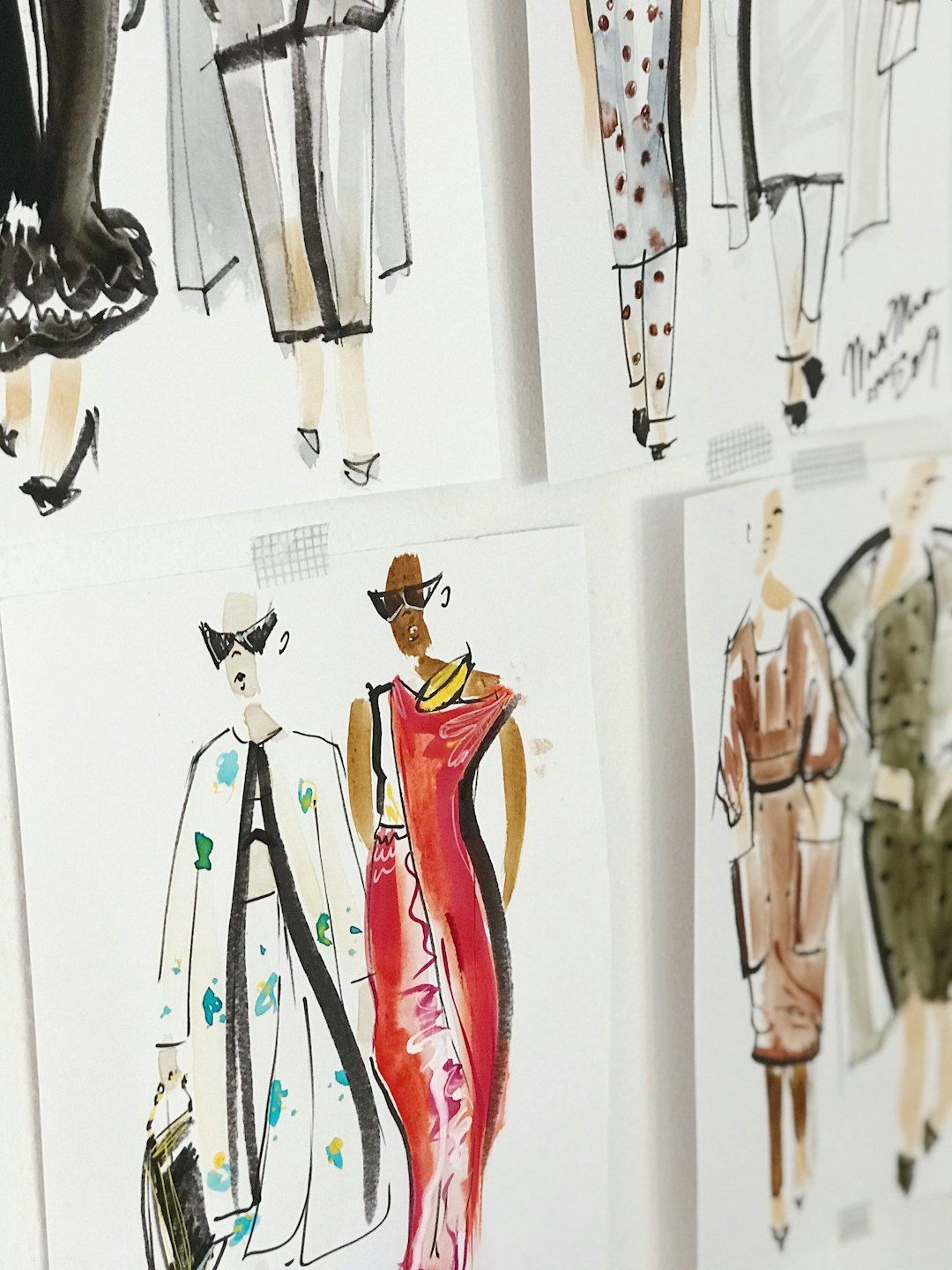
For over a century, the creative nucleus of a fashion house was a physical room littered with charcoal dust, paper scraps, and rolls of unbleached cotton muslin. A designer pinned heavy shears to their belt, draped fabric directly onto a wooden dress form, and tested how gravity fought against bias-cut silk. The sketchbook was an intimate diary of trial, error, and tactile discovery.
In 2026, that tactile discipline is being systematically dismantled by generative software. Creative directors sit in front of ultra-high-definition monitors manipulating latent space sliders, entering descriptive text prompts into proprietary models trained on decades of house archives. Within seconds, a neural network renders sixty photorealistic collections draped across virtual avatars under simulated studio lighting.
The business case presented to luxury executives is intoxicating: zero fabric waste, sub-minute concept turnarounds, and millions saved on physical sample development. The cultural cost inside the design studio tells a far more troubled story.
The Illusion of Perfect Digital Drape
The fundamental flaw of algorithmic fashion design lies in the physics of textiles. Neural networks generate imagery based on pixel probability rather than physical structural integrity.
Algorithms routinely output garments that appear breathtaking on a digital mannequin but violate the basic laws of structural physics. Digital renderings cannot anticipate how twelve-ounce Irish linen wrinkles across a seated hip, or how a bias-cut crepe stretches unevenly under humid evening air.
When brands rush these digital-first concepts into physical sampling, the results are predictably hollow. The human patternmakers tasked with engineering the physical blueprints are forced to reverse-engineer impossible geometry, resulting in stiff, unwearable garments that look like flat screen assets trapped in physical space.
The Fast-Fashion Predictive Pipeline
The economic driver behind algorithmic design is not haute couture vanity: it is ultra-fast inventory velocity. Mass-market retailers utilize neural listening tools to monitor global social feeds, consumer checkout carts, and micro-influencer styling in real time.
When an algorithmic spike detects emerging interest in asymmetric necklines or utilitarian cargo pleats, generative software designs the technical garment specifications overnight. Factory production orders are triggered overseas before a human merchandising committee ever reviews a physical sample.
This closed-loop system replaces cultural discovery with statistical certainty. Fashion historically evolved because visionary designers risked commercial failure on jarring, polarizing ideas that audiences initially rejected. When algorithms govern the creative pipeline, collections optimize strictly for what is already familiar and click-tested.
Designers as Prompt Editors
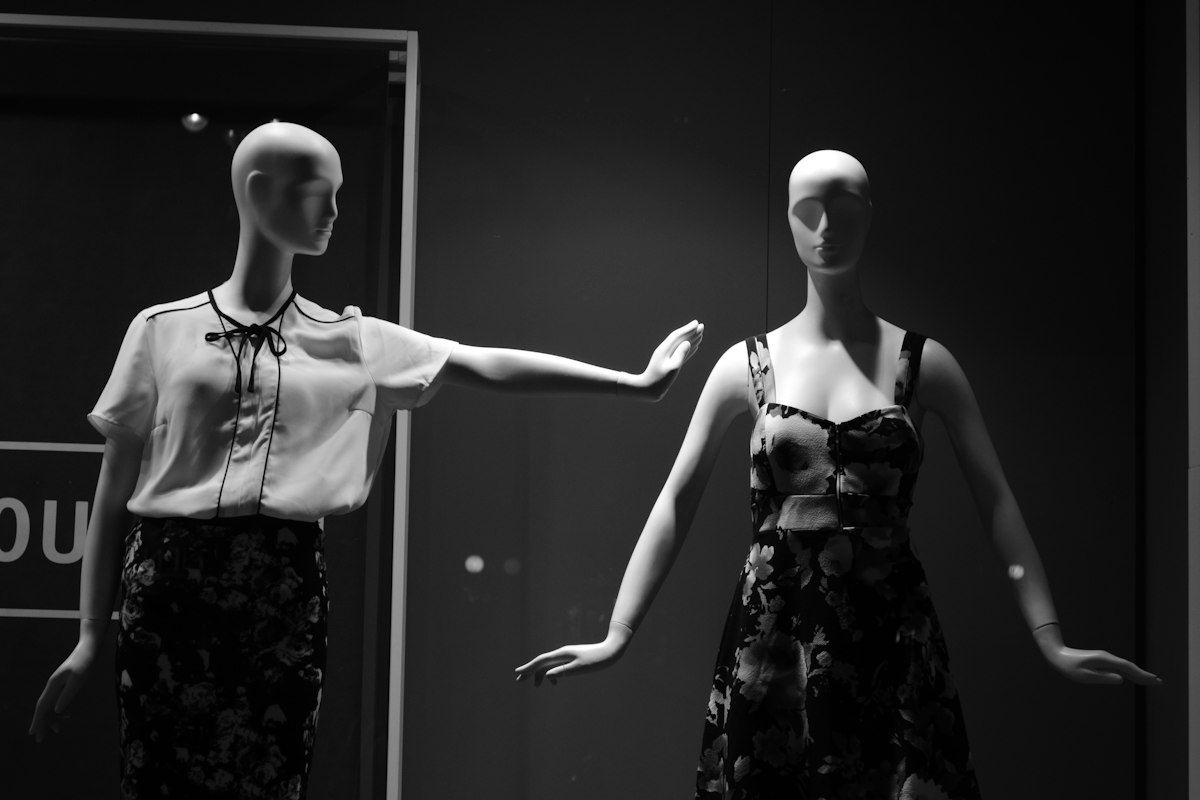
The cultural consequence of this workflow is the deskilling of the creative director. Elite fashion academies increasingly produce graduates proficient in prompt syntax and 3D mesh rendering, but lacking basic literacy in garment construction.
A generation of young designers can describe an avant-garde silhouette in intricate prose, yet cannot execute a proper French seam or identify the difference between worsted wool and carded woolen spun yarn. When software abstracts away the physical constraints of material, the discipline of design decays into mere styling.
Major luxury houses have quietly acknowledged this deficit. Behind the public marketing campaigns celebrating artificial intelligence, design studios are paying premium salaries to retain veteran pattern-cutters who can rescue algorithmic concepts from construction failure. Digital sampling tools like CLO3D only deliver on their efficiency promises when guided by hands that understand how real woven fibers react to human movement.
The Counter-Reformation: Why the Human Hand Commands a Premium
As synthetic design floods retail shelves with mathematically optimized garments, an intense cultural counter-reaction is taking root across global luxury markets. Discerning consumers are fleeing algorithmic homogeneity in search of unvarnished human craft.
High-end buyers are prioritizing visible imperfections: hand-loomed irregular selvages, hand-distressed natural vegetable dyes, and visible bespoke saddle stitching that no neural network can replicate. The physical sketchbook and the tailor's manual shears have transformed into status symbols of uncompromising luxury.
Artificial intelligence has successfully democratized the creation of disposable imagery, but it has completely failed to master the human soul of tailoring. The sketchbook is not dead: it has simply become the final dividing line between cheap content and enduring art.
Comments (0)
No comments yet. Be the first to share your thoughts.