The Chip Shortage That Isn't a Shortage at All
It's not that there aren't enough chips. The real problem is nobody's making the right ones.

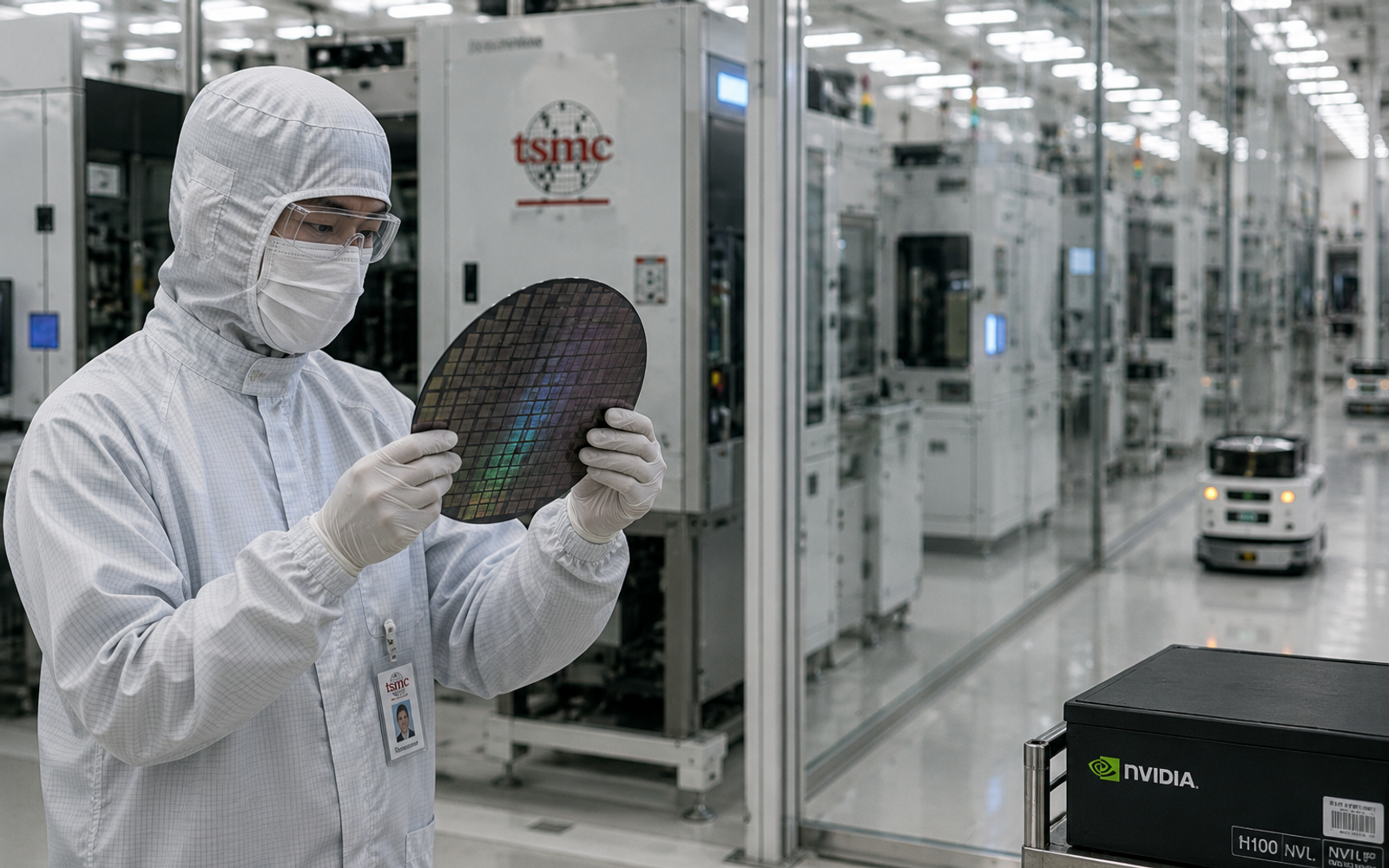
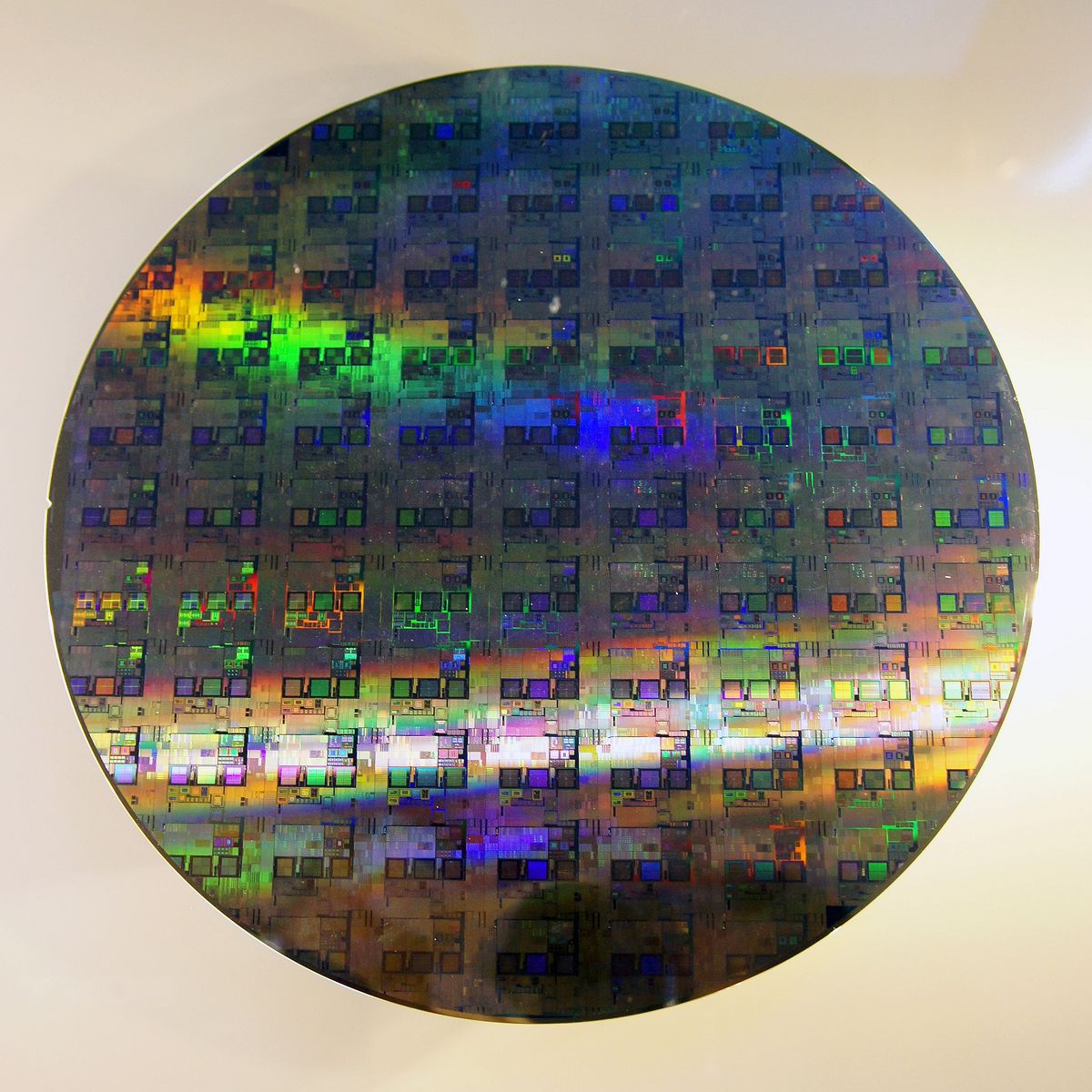
A single wafer of silicon, 300 millimeters across, costs about $4,000 to push through a leading edge fab. Spread across thousands of chips, that cost breaks down to a few dollars per unit, sometimes pennies. But here's the catch: you can't just order a few. A fab runs twenty four hours a day, seven days a week, and it costs $10 billion to build one from scratch. That math, the brutal fixed-cost physics of semiconductor manufacturing, is the reason the industry is staring down a shortage that doesn't look like the last one at all.
In 2021, the shortage was a stampede. Everything broke at once. Cars, PlayStations, toasters, all competing for the same limited fab capacity. This time the picture is sharper and more maddening. The shortage isn't total. It's targeted. And the targets are shifting.
The 2026 Predictions Are Already Here
Forecasts from firms tracking the semiconductor supply chain point to late 2025 and early 2026 as a pressure point. According to an analysis by Suntsu, the next wave of scarcity won't be a blanket crunch but a series of acute, component specific bottlenecks. The driver? Uneven demand colliding with a fragile supply base that hasn't caught up to where the market actually moved. Suntsu
The numbers bear this out. Deloitte's 2026 Global Semiconductor Industry Outlook notes that silicon wafer shipments are projected to rebound 5.4% in 2025, with a new record expected by 2028. That sounds like recovery. But recovery doesn't mean balance. Not when AI data centers are gulping down high bandwidth memory like it's water, while the rest of the electronics industry still needs the cheap, boring chips that nobody wants to build new fabs for.
A single H100 or B200 GPU from Nvidia doesn't just need a cutting edge processor. It needs huge stacks of memory chips right next to it, inches away, communicating at insane speeds. That memory, HBM3e or HBM4, is some of the most complex silicon on the planet. And every company chasing AI supremacy wants it. Now.
Memory Has a Pulse, and It's Racing
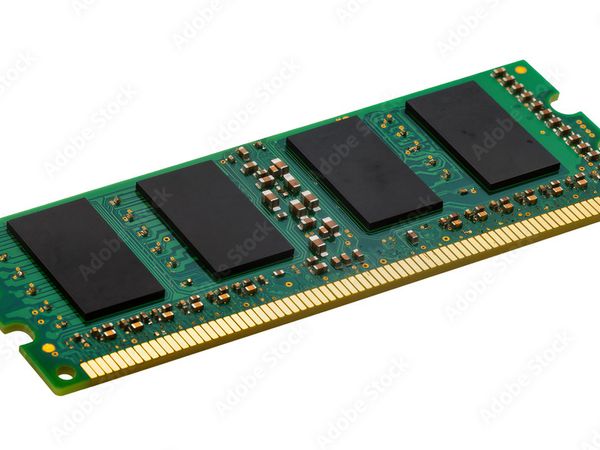
The memory market tells the clearest story about what's actually happening. DDR4, the workhorse memory standard that powered most of the world's servers and laptops for a decade, is approaching end of life. Manufacturers are winding down production. But DDR5, the replacement, still costs more and faces its own supply constraints. The transition creates a gap. Old chips get scarce. New chips stay expensive. Sourceability
This is where the analogy lands. Imagine a city that decides to replace all its old diesel buses with electric ones. The diesel buses stop being made.
The electric buses take longer to deliver than expected. In the meantime, nobody can get to work. That's the memory market in 2025. The foundries retool their lines for HBM and DDR5, but the retooling takes months, and demand doesn't pause.
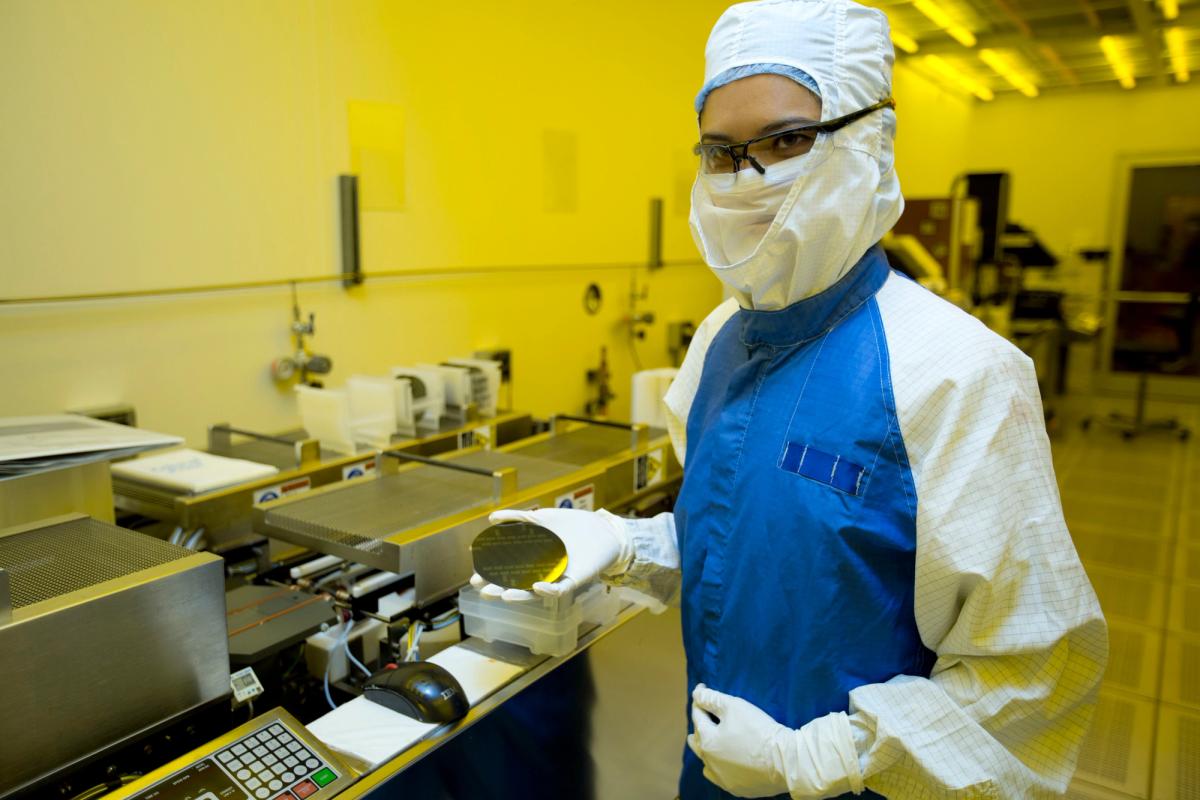
Meanwhile, a whole different crisis is brewing in the mature node space. Those are the older fabrication processes, 28 nanometer and above, used for power management chips, sensors, microcontrollers, and radio frequency components. The chips that make a car's brakes work, a solar inverter hum, or a factory robot move. No one is racing to build new 200 millimeter wafer fabs. The margins are too thin. So supply just sits there, flat, while demand from automotive and industrial sectors keeps growing.
The Geopolitical Knot
Taiwan Semiconductor Manufacturing Company makes about 90% of the world's most advanced chips. That's not an exaggeration. It's a concentration risk that keeps supply chain managers awake at night. Any disruption to TSMC's operations, from a seismic event in the Taiwan Strait to a political flashpoint, would ripple through every corner of the global economy.
The chip shortage of 2021 taught the world a hard lesson about dependency. Governments responded with subsidies. The CHIPS Act in the United States, roughly $52 billion. Europe's own Chips Act, €43 billion. Japan, South Korea, India all launched their own incentive programs. But building a fab takes four to five years. The money is allocated. The dirt hasn't been turned yet.
This creates an awkward interim. The foundries that exist are running at near full utilization. New capacity won't come online until 2027 or 2028. Between now and then, any surge in demand, any natural disaster, any trade restriction, any factory fire, will tighten the screw.
The Advanced Packaging Bottleneck
While media attention centers on raw lithography node sizes (3-nanometer and 2-nanometer), the actual choke point holding back global AI hardware shipments is backend advanced packaging. Modern accelerators like Nvidia's Blackwell and AMD's Instinct do not live on a single monolithic silicon die. They require 2.5D and 3D multi-die integration, specifically TSMC's Chip-on-Wafer-on-Substrate (CoWoS) technology, to bridge high-bandwidth memory stacks with compute logic at microscopic tolerances.
CoWoS manufacturing requires precision silicon interposers, specialized glass or organic substrates, and complex micro-bump soldering in cleanroom environments. Even when front-end fabrication plants produce ample logic dies, accelerators cannot ship without packaging allocation. With TSMC's packaging lines booked out more than 18 months in advance, hyperscalers are constrained not by wafer starts, but by substrate bonding throughput.
This is the structural asymmetry of modern semiconductor manufacturing. A multi-billion-dollar computing cluster can be delayed for quarters by the lack of a single specialized packaging substrate or an unheralded power management integrated circuit. The headline numbers celebrate wafer capacity additions, but the packaging bottleneck remains the true governor of industry speed.
The AI Hunger Games
AI demand is the most visible source of pressure. Training a single large language model can require tens of thousands of GPUs running for weeks. Each GPU needs advanced packaging, which is its own bottleneck. TSMC's CoWoS (Chip on Wafer on Substrate) packaging capacity has been sold out for months. Everyone wants in. Not everyone gets a slot.
This has created a two tier market. The hyperscalers, Amazon, Google, Microsoft, Meta, can afford to pre order years in advance and pay whatever it takes to secure capacity. Smaller AI startups, or companies in regions without deep pockets, get squeezed. They wait longer. They pay more. Some just don't get the chips at all.
A parallel dynamic is playing out in Europe. The continent is home to important semiconductor design houses and equipment manufacturers like ASML in the Netherlands, which makes the lithography machines needed to print the world's most advanced chips. But Europe's fabrication capacity lags behind Asia and the United States. The European Chips Act aims to double the region's share of global production to 20% by 2030. That's a long horizon when the shortage is happening right now.
The Foundry Price Spiral
TSMC raised prices on advanced nodes in 2024 and 2025. So did Samsung. So did the mature node foundries in China. Price increases ripple through the supply chain. A chip that cost $5 to manufacture in 2023 costs $7.50 in 2025. That 50% increase hits every buyer: automakers, consumer electronics brands, industrial equipment manufacturers.
Some companies pass the cost to consumers. Others eat the margin. Either way, the shortage shows up not just in availability but in price. The semiconductor content per vehicle has more than doubled in the last decade, from roughly $300 per car to over $700. Electric vehicles push that number higher. Every dollar increase in chip prices multiplies across millions of vehicles.
But here's the strange part. The shortage doesn't touch every node equally. Leading edge chips, 3 nanometer and 5 nanometer, are in high demand but supply is tight but manageable. The real pain is in the middle. 28 nanometer, 45 nanometer, 65 nanometer. Nodes that are too old for cutting edge AI but too new to be fully retired. Nobody built enough capacity for them because everyone assumed the world would keep moving to smaller nodes. The world did not. Cars, appliances, industrial robots, and military hardware all still need these chips. The mismatch is structural.
What the Lead Times Say
A standard measure of supply chain health is lead time: how many weeks between placing an order and receiving the chip. During the 2021 crisis, lead times stretched past 26 weeks for many categories. By early 2024, they had normalized. By late 2025, they're creeping up again. Not everywhere. But in specific categories: memory, analog chips, discrete power components.
This is the signature of a targeted shortage. The overall index looks fine if you average everything together. The real story hides in the subcategories. Microcontrollers for automotive are tight. Communications chips are loosening. Power management ICs are getting harder to find. The aggregate number tells a lie. The granular data tells the truth.
The Long Game Nobody's Playing
The fundamental problem isn't capacity. The world has enough fab capacity in aggregate to meet current demand. The problem is the specific mix. Foundries optimized for the digital age. Smartphone SoCs, server CPUs, GPU compute. They did not optimize for the physical age. Sensors. Actuators. Power management. Wireless transceivers. The kind of chips that connect the digital world to the physical one.
As the Internet of Things matures, as electric vehicles proliferate, as renewable energy infrastructure expands, demand for these physical world chips will keep rising. And the supply base, built for a different era, will keep struggling to catch up.
Short term fixes exist. Second sourcing. Design tweaks to use alternative components. Inventory hoarding. None of them solve the structural mismatch. They just kick the can.
The Horizon
So where does the industry land? Not in a crisis, not in calm, but in a long, grinding period of targeted scarcity that shifts from component to component as demand patterns evolve. A chip shortage that behaves less like a flood and more like a slow bleed.
The next pressure point to watch is memory. As DDR4 phases out and HBM demand accelerates, the gap between what's available and what's needed will widen. The foundries will respond, but with a lag. Months. Maybe longer.
And across Hsinchu, Shenzhen, Eindhoven, and Austin, the same question echoes: can the supply chain bend fast enough? The answer, as it always is in hardware, will arrive in silicon.
Comments (0)
No comments yet. Be the first to share your thoughts.