Why the Best Travelers in 2026 Stay Put
Digital nomads are trading constant movement for months-long stays. The reasons are less romantic than you think.

A few years ago, the digital nomad promise was simple: work from anywhere, move whenever you want, and never stay long enough to get bored. The Instagram version showed a laptop on a beach in Thailand one week, a co-working space in Lisbon the next, and a hostel in Medellin after that. The underlying message was that motion itself was the goal. Keep moving, keep experiencing, keep collecting passport stamps like merit badges.
The reality was less glamorous. Moving every two to three weeks meant losing half a day to transit, another half to settling in, and a full day to figuring out where to buy groceries and how the local SIM cards worked. That cycle repeated itself every time. By month three, many nomads found themselves working longer hours just to stay afloat, sleeping poorly in unfamiliar beds, and scrolling through destination guides wondering why they felt so tired. According to data from Passport Photo Online, 52 percent of digital nomads work weekends regularly, and 28 percent work them always. The freedom to go anywhere had, for many, become a treadmill.
The Numbers Behind the Burnout
The shift toward slowmad living is not a lifestyle preference marketed by wellness influencers. It is a response to a measurable problem. A 2025 report found that 77 percent of digital nomads had experienced burnout, a rate that rivals or exceeds that of office workers in high-pressure industries. The cause was not overwork in the traditional sense. It was the cumulative tax of constant reorientation: new time zones, new languages, new apartments, new Wi-Fi passwords, new social circles that vanished as quickly as they formed. The brain never settled into a baseline.
The human glymphatic system, which clears metabolic waste from the brain during deep sleep, depends on consistency. Shift the sleep environment every two weeks and the system never fully engages. A recent survey by ResMed found that 61 percent of respondents reported that poor sleep negatively affected their emotional connections with others. For digital nomads cycling through hostels and Airbnbs, the disruption is chronic. The slowmad approach does not fix sleep completely, but it removes one variable: the room itself stops changing.
What Slowmading Actually Looks Like
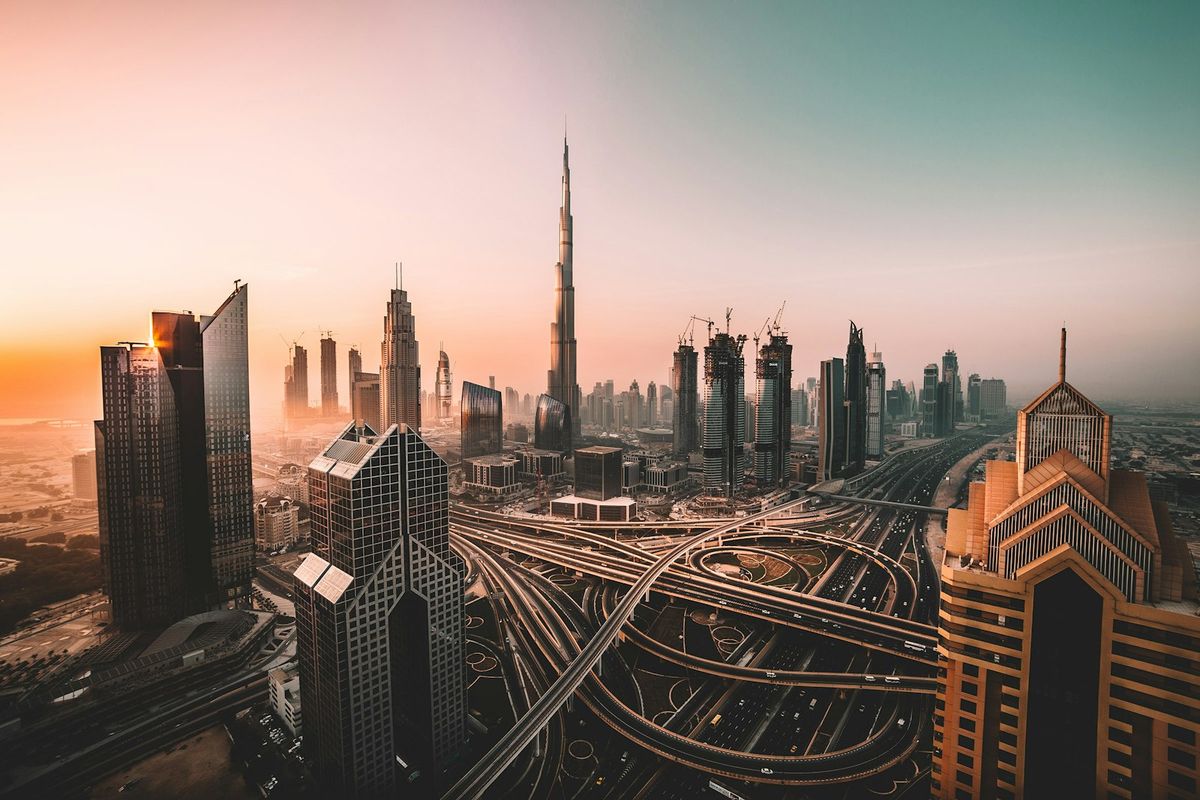
A slowmad is simply a digital nomad who stays in one location for one to six months instead of one to three weeks. The term has been circulating since the early 2020s, but by 2026 it has become the dominant model for experienced remote workers. According to coverage from Forbes, cities like Asheville, North Carolina, and smaller hubs in Colombia and Portugal are seeing longer average stays from digital nomads who would have cycled through faster just a few years ago.
The mechanics are straightforward. A slowmad arrives, rents an apartment on a monthly lease, joins a local gym or yoga studio, and builds a routine that resembles settled life. They still work remotely, still travel, but they do so in seasons rather than sprints. A slowmad might spend the autumn in Greece, the winter in Thailand, and the spring in Mexico. That is three moves per year instead of twenty. The difference in cognitive load is enormous.
Why Visas and Taxes Are Driving the Shift
The romantic version of this story would say that nomads slowed down because they discovered the beauty of deep connection. That is true for some, but the more decisive factor is structural. By 2026, more than 70 countries offer dedicated digital nomad visas, and most require proof of income, health insurance, and a minimum stay of six to twelve months. Greece requires a monthly income of roughly $4,030 for its Type D visa. Colombia asks for $1,500 per month. These visas are designed for people who stay, not people who bounce.
Tax compliance has also tightened. Countries are closing the loopholes that allowed indefinite visa runs and tax-free stays. Nomads who move too frequently now risk triggering tax residency in places they never intended to call home. The choice to slow down is not just about avoiding burnout; it is about avoiding audits. This is part of a broader shift toward sustainable remote work that the industry is only now beginning to formalize.
What Changes When You Stay Longer
The most cited benefit of slowmad living is community. A two-week stay in a neighborhood is barely enough time to learn where the closest pharmacy is. A three-month stay is enough to recognize the same barista, get invited to a dinner party, and eventually build a network that exists beyond a WhatsApp group for passing travelers. Those relationships, in turn, create accountability. When someone expects to see you at the co-working space on Tuesday, you show up. The structure emerges from the people, not from a productivity app.
There is also the question of money. Short-term rentals booked on platforms like Airbnb carry a premium. Monthly leases in the same cities are often 40 to 60 percent cheaper. Coliving spaces that once catered to one-week stays are now restructuring around monthly and quarterly rates, according to industry analysts tracking the shift. The financial logic of slowmading is so clear that many digital nomads now treat it as a default rather than a choice.
The Productivity Angle Nobody Benefits From Ignoring
Constant travel interferes with deep work. Every move requires logistics: booking transport, checking in, unpacking, learning a new layout. These are not trivial tasks. They consume executive function that could otherwise go toward complex problem-solving. The research on decision fatigue is clear: each small logistical decision drains a limited resource. A nomad making twenty such decisions per move, multiplied by twenty moves per year, has spent hundreds of hours on logistics that a slowmad handles four times annually.
This is where the productivity conversation about remote work often misses the point. The goal is not to optimize the number of countries visited per year. The goal is to create conditions where focused work becomes possible. A slowmad who stays in one apartment for three months can build a proper desk setup, establish a morning routine, and stop thinking about where they will sleep next week. That mental space, freed from logistics, is where actual output happens. The earlier article in this publication on the productivity trap argued that the system itself can become the obstacle. The same applies to travel: when movement becomes the system, the work suffers.
The Destination Decade
The slowmad movement is not an argument against travel. It is an argument against travel as a performance metric. Visiting twelve countries in a year is not inherently better than visiting three. The evidence from burnout rates, visa structures, and personal accounts suggests that the optimal pace for most remote workers is somewhere between three and six months per location. That pace allows for genuine immersion, stable routines, and the kind of rest that the glymphatic system needs to function.
The industry has already responded. Airlines, coliving operators, and insurance providers are designing products for people who move in seasons, not weeks. The romantic image of the rootless nomad is giving way to something less flashy but more sustainable: the person who lives deliberately, moves intentionally, and stays long enough to know where the good coffee is.
Comments (0)
No comments yet. Be the first to share your thoughts.