Red Sea, Soundstorm, and Doha: Why Gulf Festivals Hit Pause
Within a single winter window, Doha pulled a headline gala over misconduct allegations while Saudi Arabia's flagship film and music festivals pushed 2026 editions into 2027.

Winter across the Gulf spent the last five years running at full sprint: red carpets in Doha and Jeddah trading world premieres before towering desert light rigs flared outside Riyadh for international headliners. Late 2026 abruptly tapped the brakes across three flagship cultural events almost inside the same week.
- 1Doha Pulls Fing!: Qatar's Doha Film Festival canceled its gala screening of Fing! and issued ticket refunds after sexual misconduct allegations involving author and co-screenwriter David Walliams prompted Sky and Stan to step back.
- 2Saudi Mega-Events Pause to 2027: Both Jeddah's Red Sea International Film Festival and Riyadh's MDLBEAST Soundstorm (originally set for December 3 and 4, 2026) postponed their 2026 editions into 2027 for operational restructuring.
- 3Regional Calendar Realignment: Arab independent filmmakers, sales agents, and touring production crews are shifting December 2026 financing pitches and live bookings toward Cairo, Marrakech, Berlin, Cannes, and early 2027 dates.
Qatar's Doha Film Festival pulled its high-profile international gala screening of the family comedy Fing! following serious sexual misconduct and harassment allegations involving British author and co-screenwriter David Walliams. Across Saudi Arabia, both the Red Sea International Film Festival in Jeddah and MDLBEAST Soundstorm in Riyadh took December 2026 dates off the map entirely, moving their next editions into 2027.
Looked at one by one, each update reads like routine crisis triage or operational rescheduling. Taken together inside one winter window, they show how quickly reputational scrutiny crosses borders and how fast-expanding mega-events eventually hit an operational wall.
Why Doha Pulled Fing! Ahead of Opening Night
On paper, Fing! looked like straightforward festival programming built for weekend family turnouts. Adapted from Walliams' bestselling children's book, with the UK writer also carrying co-screenplay billing and a supporting cameo, the family caper offered the approachable warmth programmers want outside heavier arthouse competition blocks.
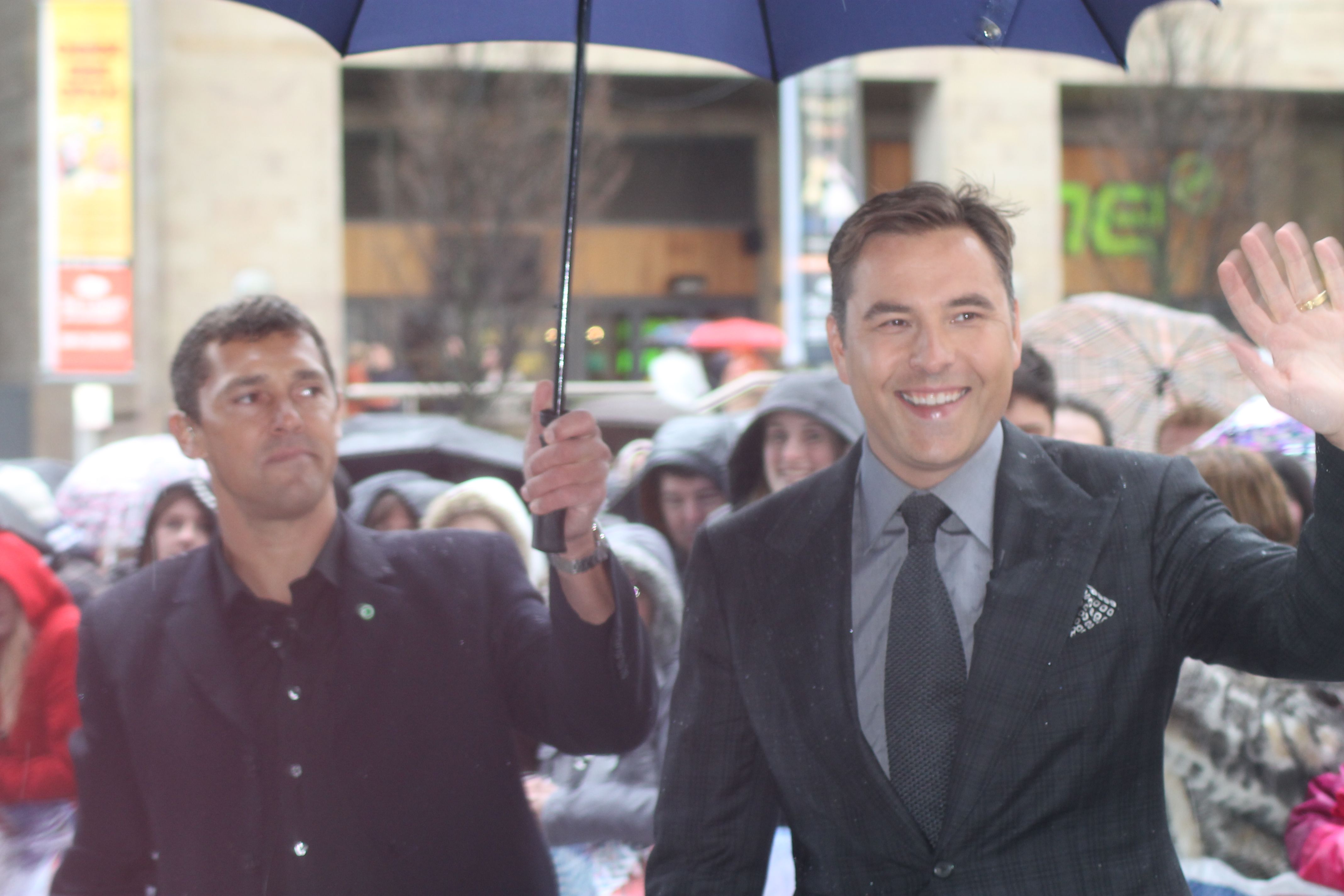
That calculation collapsed once serious sexual misconduct and harassment allegations against Walliams hit international entertainment desks. Although Walliams has denied the allegations, major media networks across Commonwealth territories moved fast to create distance, with UK broadcaster Sky and Australia's Stan stepping back from the project. Doha acted cleanly rather than stalling: programmers canceled the gala screening completely and opened prompt ticket refunds for attendees. For Gulf cultural institutions heavily invested in showcasing Arab cinema alongside global family premieres, keeping a title tied to active UK press disputes risked overshadowing regional filmmakers before a single local director stepped onto the red carpet.
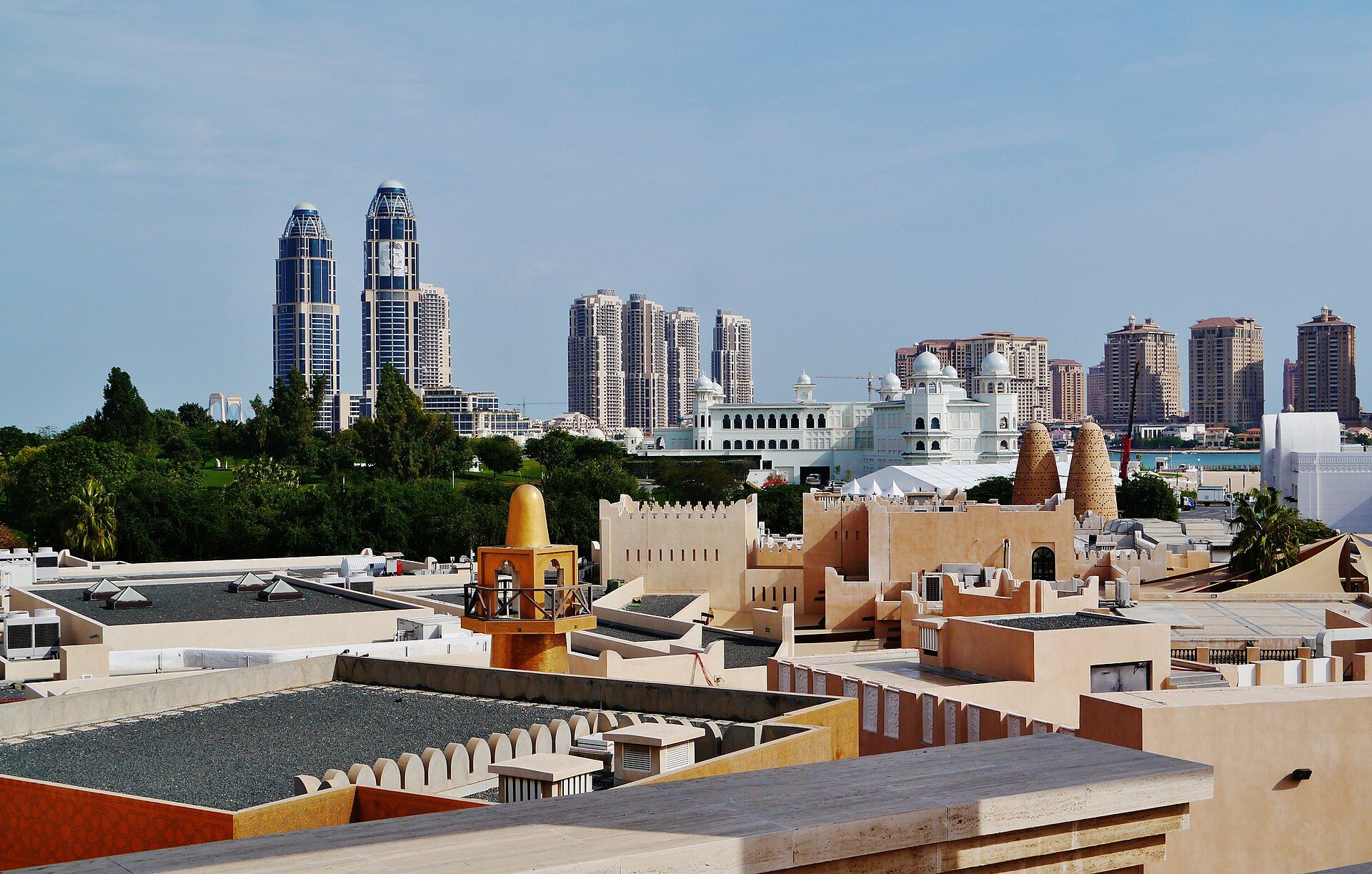
The Scramble Behind a Last-Minute Gala Cancellation
Pulling an anchor gala days before opening night creates real logistical friction behind festival desks. Staff have to scrub printed lobby banners, rework main theater time blocks, refund family ticket buyers, and arrange replacement press slots under tight deadlines. Programmers must call distributor publicists overnight to slide an uncompromised screening into a prime Friday evening slot without cutting press preview windows short.
Even so, keeping the film on marquee walls carries far steeper reputational cost. Once international broadcasters pull support from a title, holding onto a gala slot guarantees tabloid questions dominate opening-night dispatches instead of the Arab and global independent cinema seeking international distributors.
Red Sea Steps Back Until Q4 2027
While Doha navigated acute talent fallout, Saudi Arabia's two biggest year-end cultural anchors stepped away from December 2026 for operational restructuring rather than controversy.
In Jeddah, organizers of the Red Sea International Film Festival confirmed in ScreenDaily's official report and The News International coverage that the sixth edition originally slated for December 2026 will relocate into the fourth quarter of 2027. Management pointed to timing, operational alignment, and infrastructure planning needed to support an expanded international footprint.
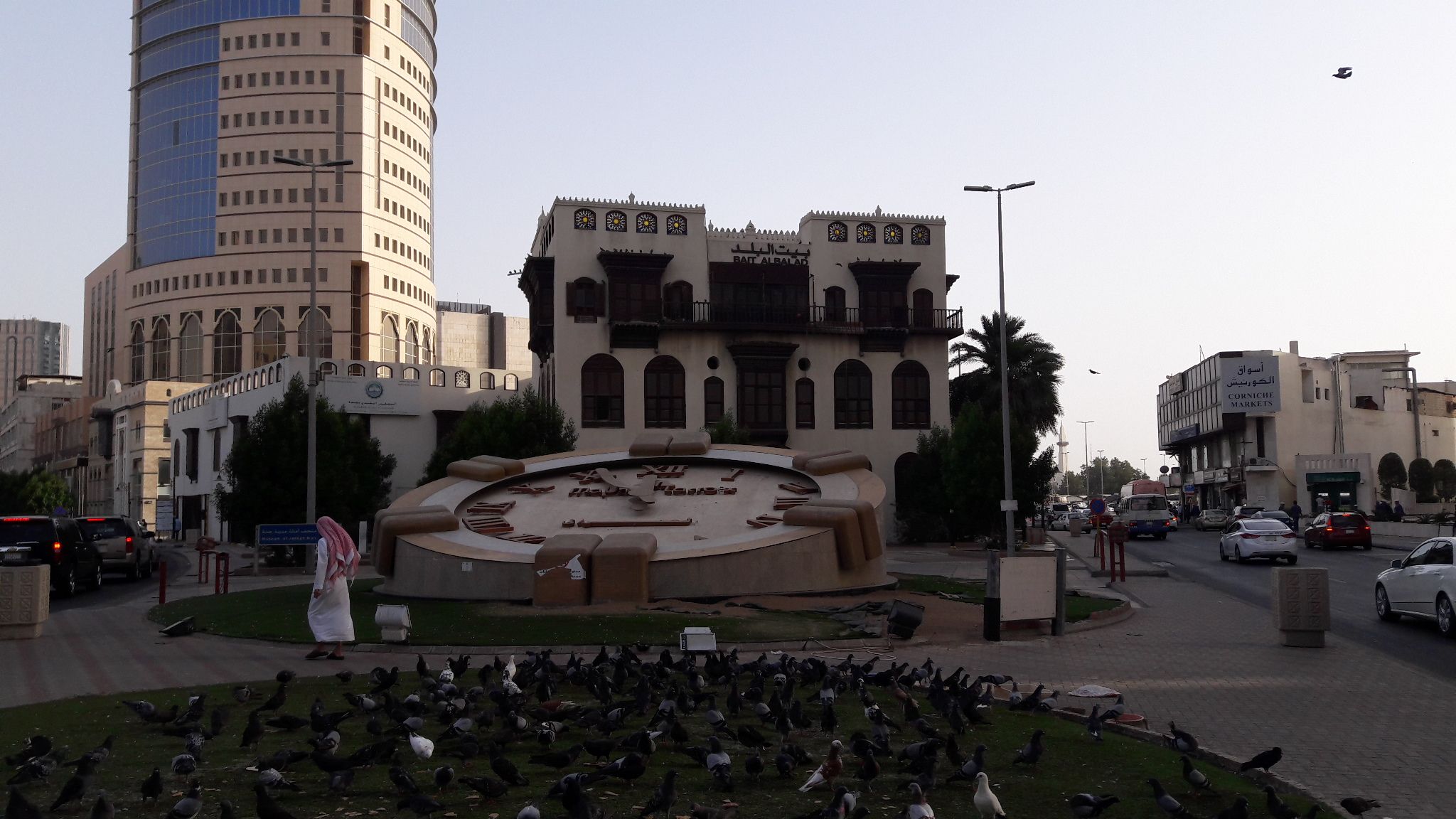
Since launching in 2021, Red Sea grew from a newcomer into a major financing hub linking Saudi public cultural funds with African, Middle Eastern, and South Asian co-productions. That expansion stretched Jeddah's hospitality inventory, historic Al-Balad screening venues, and Souk industry market spaces each December, making a full twelve-month pause more practical than running a compressed sixth edition while permanent festival infrastructure catches up.
Soundstorm and Riyadh's Desert Stage Logistics
Days apart on the regional calendar, Riyadh promoter MDLBEAST made an almost identical move for Soundstorm. Originally mapped onto Banban desert grounds for December 3 and 4, 2026, the flagship electronic and live music gathering sits out 2026 completely, as reported by EDM Addicts, shifting focus onto a reworked 2027 staging.
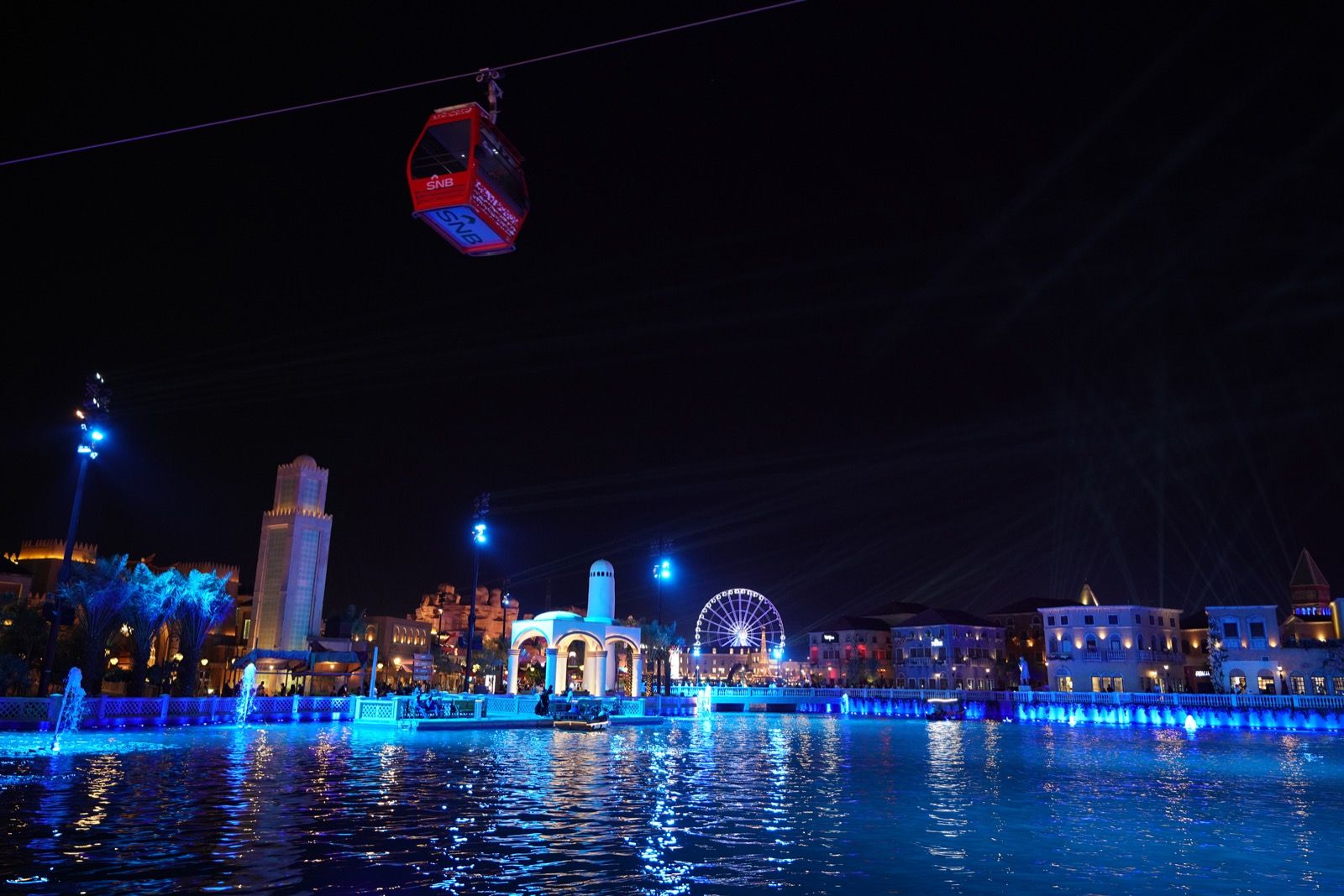
Building temporary desert concert infrastructure capable of safely handling hundreds of thousands of fans, eight stages, aviation shuttles, and crowd cooling logistics takes heavy operational lift year after year. Unlike permanent urban arenas, every Soundstorm edition requires erecting power grids, acoustic barriers, VIP hospitality compounds, and highway traffic corridors in open desert outside Riyadh before tearing them down weeks later. Giving engineers and booking agents a clean reset until 2027 avoids locking multi-million-dollar international DJ guarantees into an unready site schedule.
The December Bottleneck Across Gulf Venues
Watching two massive cultural pillars press pause over the exact same winter week exposes real structural friction built up over five breakneck growth cycles. Running an international film market alongside a sprawling multi-stage desert music festival during peak early December weeks squeezes hotel room blocks, regional flight seats, technical production rigs, and international talent routing directly against Art Basel Miami and European winter runs.
Stepping back gives production vendors breathing room to shift from launch speed toward steadier execution. Sitting out December 2026 also concentrates regional industry attention back toward remaining winter markets across Doha and Cairo rather than forcing distributors, press teams, and cultural travelers to split short flights across three consecutive weekends.
What the Pause Means for Arab Filmmakers and Crews
Commentators quick to label postponements as cultural retreat miss how much festival expectations changed between 2021 and late 2026. Five years ago, unveiling huge temporary stages or booking five recognizable celebrity names generated instant global press simply because Gulf cultural circuits felt brand new. That novelty grace window is over. International buyers, sales agents, and artists arrive expecting smooth ticketing, curatorial independence, and predictable calendars tied cleanly into global press cycles, much like how iconic cultural festivals worldwide guard long-term relevance.
The practical effects divide cleanly by industry seat. Independent Arab directors hoping to pitch projects at Jeddah's Red Sea Fund workshops now shift financing timelines toward spring sessions in Berlin, Cannes, Marrakech, and Cairo, while emerging regional sales companies move winter rough-cut screenings onto early 2027 market calendars. Touring crew contractors, lighting engineers, and hospitality suppliers who scaled around Riyadh's December stages are spreading work across year-round regional tours instead of banking entire quarters on one desert weekend.
Tighter Vetting Before 2027 Reopens
For Doha, the lesson sits close to planning desks too: international gala standing relies as heavily on thorough partner vetting before schedules print as on hospitality once guests clear customs. Heading into 2027, Gulf and international festival legal teams are tightening talent morals clauses, fallback slate substitutions, and contingency press plans so a single title controversy never stalls a wider programming week. Skipping one hurried December looks far more like routine maintenance than retreat, and distributors will know quickly next year whether calmer calendars deliver stronger premieres.
Comments (0)
No comments yet. Be the first to share your thoughts.