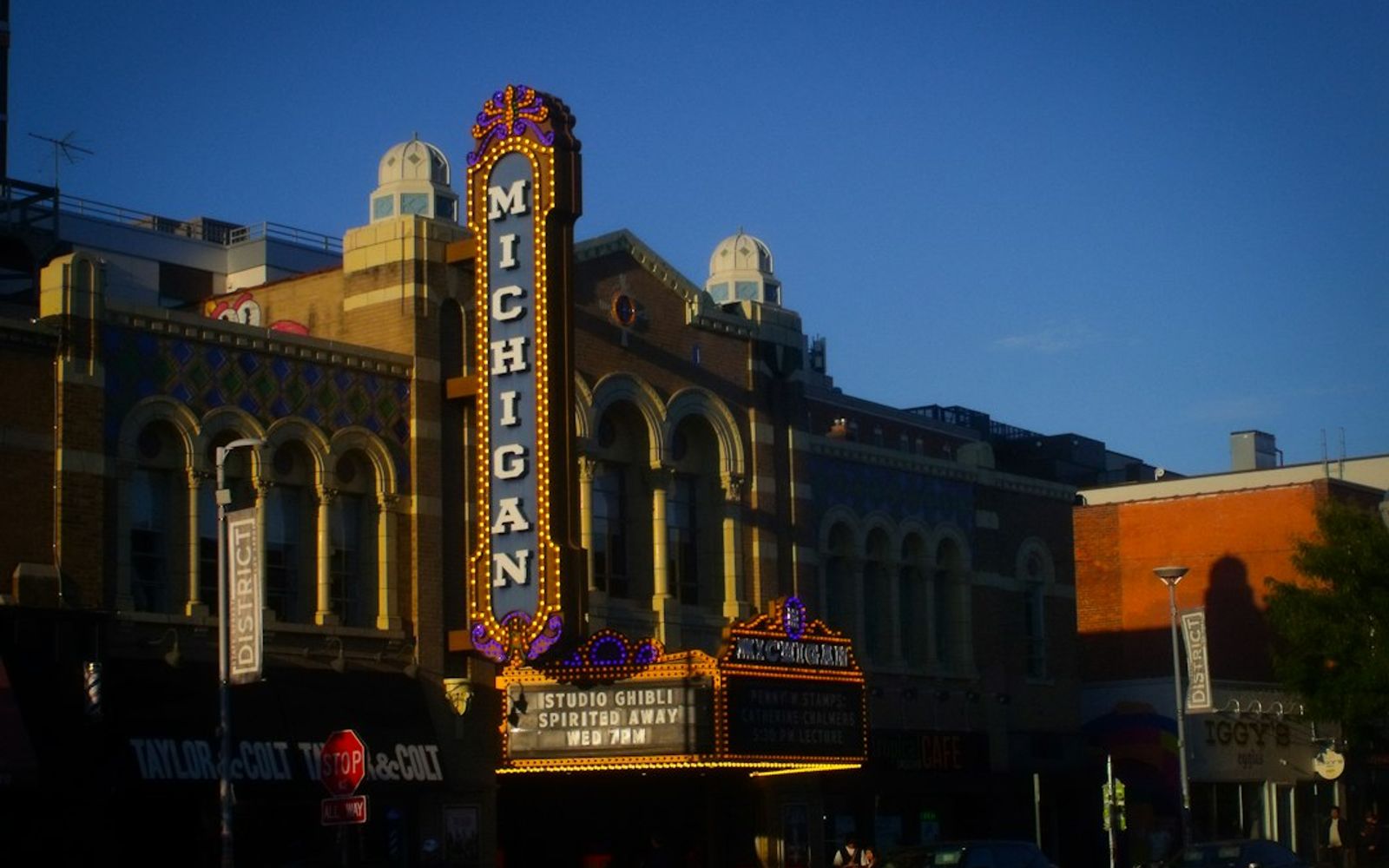
The Hidden Cost of Saving Historic Repertory Cinemas
Repertory cinemas are selling something the multiplexes can't: a curated calendar and a room that doesn't need a blockbuster.

Movie Land occupies a renovated three-story building in Seoul's Seongsu-dong, and when it opened in February 2024 it ran on a premise that would get laughed out of a chain boardroom: that old films, looked at again, are worth leaving the house for. Its director, who goes by Soho, described it as "a place for digging for dusty gems." Two years on, that line reads less like a boutique conceit than an operating manual.
- 1Smaller Rooms, Higher Tickets: U.S. domestic admissions fell 37% from 1.2 billion in 2019 to roughly 780 million in 2025, while average ticket prices climbed 23% from $9.16 to $11.28.
- 2Single-Screen Capital Strain: A 14-screen multiplex spreads new projection and facility upgrades across roughly 3,000 seats, whereas a 1932 neighborhood house absorbs those costs in one room.
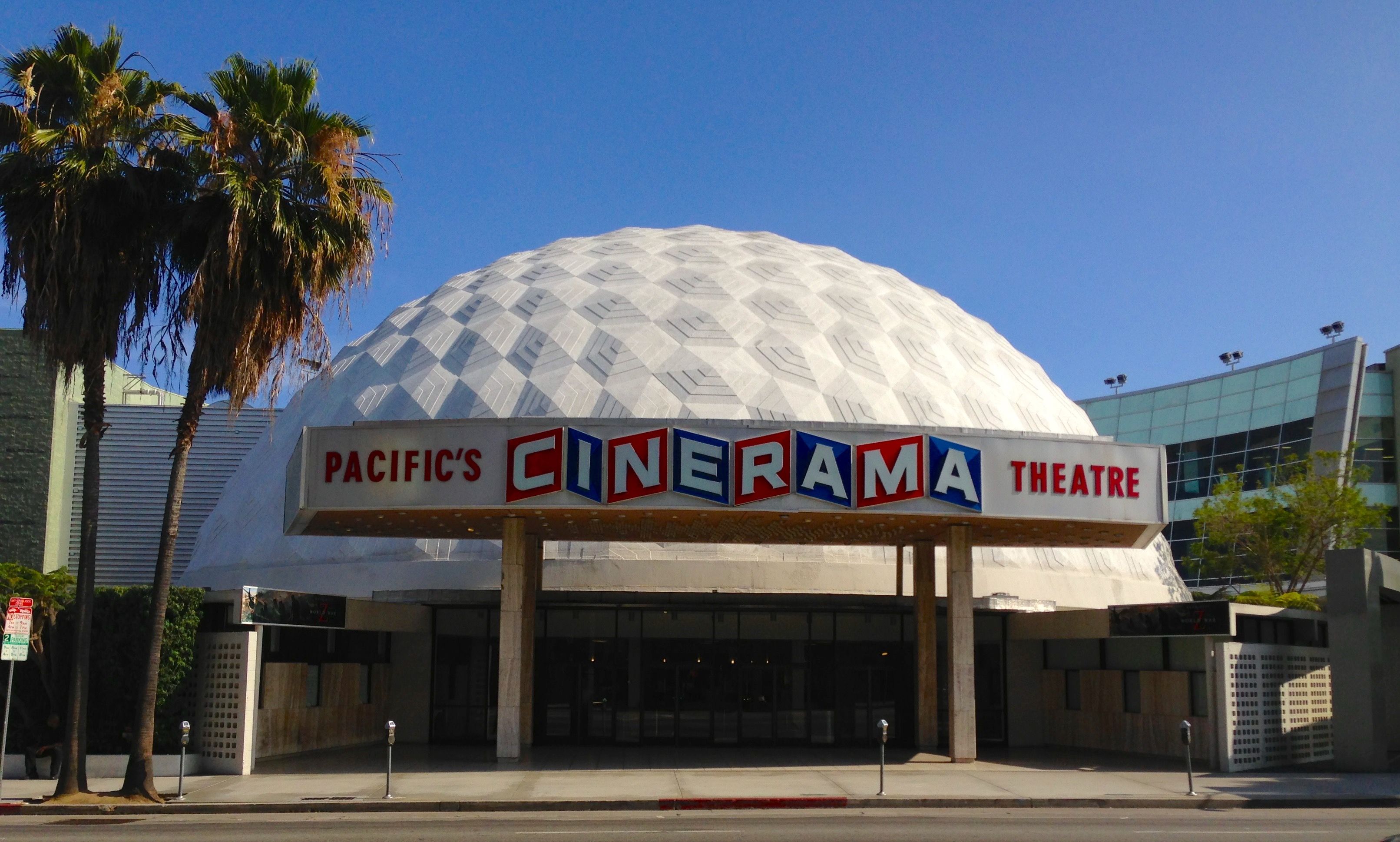
- 3Programming Keeps Doors Open: Landmark rescues like Hollywood's Cinerama Dome restore architecture, but weekly memberships, grants, volunteer matinees, and curated series pay the recurring bills.
Because the interesting thing about this revival is the timing. Independent and historic cinemas are gaining ground in the same years the multiplex business has been loudly reinventing itself, with recliners, laser projection and a menu at every seat. And the reinvention is working, at least on paper. The question is what it costs, and who ends up paying.
The Audience Got Smaller and the Ticket Got Pricier
The 2026 numbers look like a comeback. U.S. theater attendance through July ran 8.1% ahead of the same stretch in 2025, according to Reuters, and the domestic box office is tracking toward its best year since the pandemic. The same reporting puts attendance 27% below 2019. So the rebound is real and it's happening inside a shrinking room.
A Pew Research Center survey of American adults found that 53% had seen a film in a theater in the previous twelve months, and that 7% had never seen one at all. Half the country isn't a customer right now, and the half that is shows up less often than it did before the pandemic. Every chain strategy of the past five years has been built on that gap.
The trade's answer has been price. Domestic gross ran about $8.8 billion in 2025 on roughly 780 million admissions, which works out to $11.28 a head. In 2019 the average ticket was about $9.16 and 1.2 billion people bought one. Admissions fell 37% while the price of the remaining ticket rose 23%.
That's the hidden cost inside every multiplex modernization story. Premium formats, recliners, dining and dynamic pricing all lift the yield per visitor, and they all make it more expensive to run a room that isn't full. A circuit can only justify fourteen screens if the biggest release of the month fills most of them. A room that seats 650 and programs a 1974 print has no such obligation, which is the entire advantage.
What a Single Screen Cannot Absorb
Ottawa makes the contrast easy to hold. ByTowne Cinema is a 650-seat single-screen house on Rideau Street and the city's main venue for independent, foreign and art-house film. A few kilometres south, the Mayfair has been open since 1932, a single-screen neighbourhood room mixing second-run titles, repertory classics, cult programming and budget-price family matinees. Neither has a second screen to hide behind.
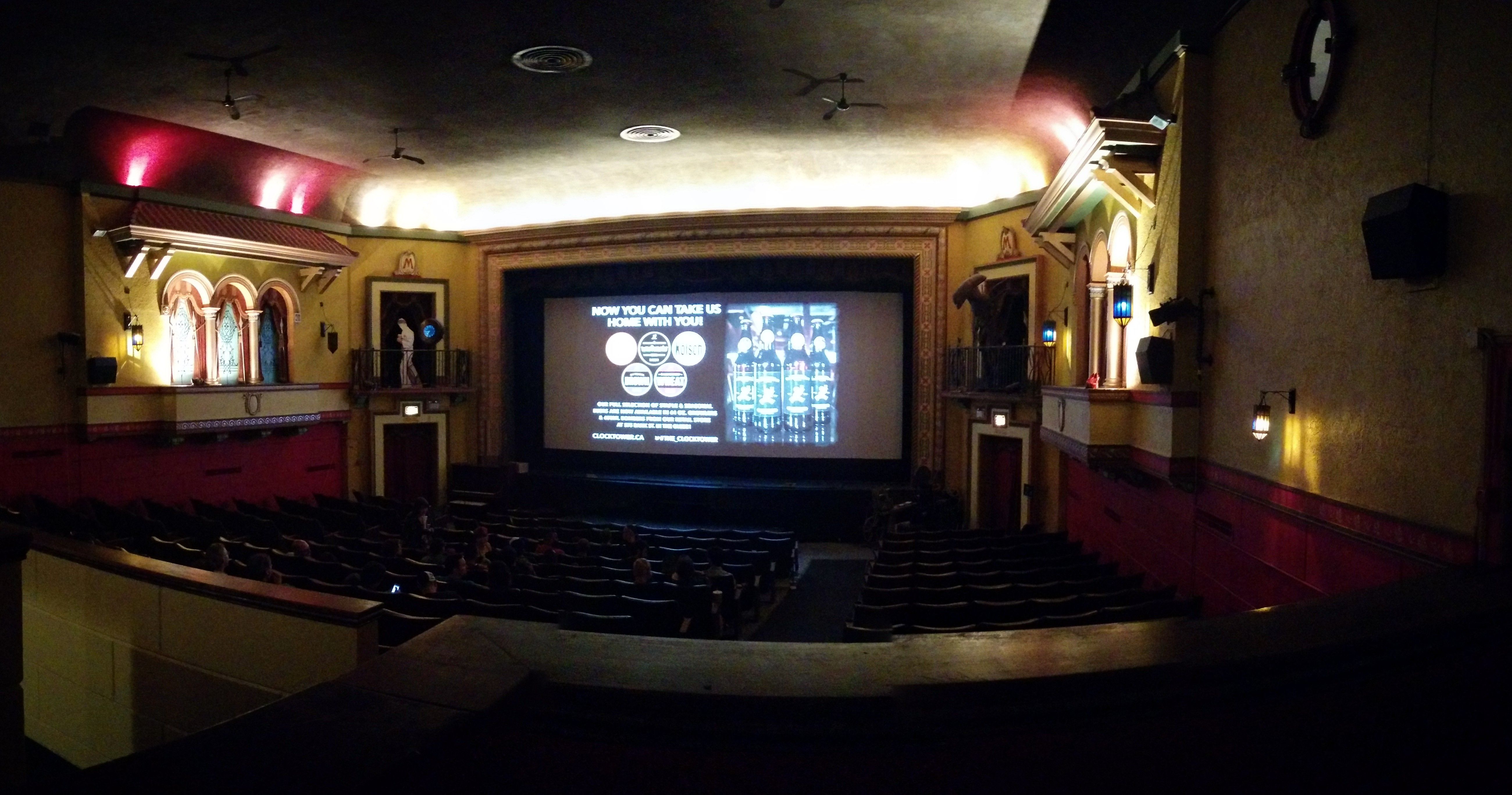
A multiplex amortises a new projector across fourteen auditoriums and some three thousand seats. A heritage house amortises the same replacement across one room, in a building that may be ninety years old and wasn't wired for any of it. Add the roof, the heating and the heritage compliance paperwork, and the capital curve gets ugly fast.
So the money comes from somewhere other than the box office. Memberships, members-only previews, private rentals, heritage grants, and in Ottawa's case a volunteer-run Saturday matinee that sends the proceeds back into the community. None of it is glamorous, and almost none of it makes the story about the restored marquee.
Programming Is the Product
What a repertory house actually sells is a point of view. The good ones group films into series with an argument behind them, say in advance whether you're watching 35mm, 70mm or a restored DCP, and put someone in front of the screen to explain why this print, this week. A multiplex sells a slot on a Friday night. A good repertory house sells the reason the slot matters, and that programming is the moat a chain can't buy at scale.
Audiences can feel the difference, and they're paying for it in very different markets. In Seoul, small cinemas are pulling people off the chains with curated selections and intimate rooms, some of them serving dinner during the film. In the U.S., the Guardian reported in July on independent houses gaining on multiplexes through unusual programming and a community ethos.
There's now enough of this activity to support its own infrastructure. Los Angeles listings currently track around 150 repertory and arthouse venues and roughly 2,500 upcoming screenings, and New York has a daily aggregator for revival showtimes. That points to a market with a discovery problem rather than a dying one, which is the familiar condition behind why good work tends to stay hidden even when the room is open.
Preservation With a Balance Sheet
Los Angeles is where preservation money is loudest. The Bruin Theatre in Westwood is being brought back with help from Save Your Cinema and its founder Ben Steinberg, and the Cinerama Dome is slated to reopen in 2028. That's a domino effect of operators, business groups and donors deciding a landmark is worth the cost of saving.
Most of the estate doesn't look like that. The U.S. counts around 5,800 active theater sites, and AMC, Regal and Cinemark together run roughly 20% of them, which leaves the overwhelming majority to regional circuits and independents. The repertory revival gets written up as nostalgia. It's closer to the segment of the business that never had volume to lean on in the first place.
Which is why the framing of heritage matters. An effort that saves the architecture and stops there leaves a beautiful room with no calendar in it. The institutions that last treat the building as a container for a habit, closer to a festival that refuses to be a museum than to a plaque.
The Cinerama Dome will reopen in 2028 with a red carpet, a preservation fund and a good story about Hollywood saving its own history. The Mayfair will open that same week the way it has since 1932, with a second-run double bill, a volunteer at the door and a room that has to be filled all over again by Friday. What the dome restores is architecture. What the Mayfair renews every week is the only thing that has ever kept a cinema open: a reason for a specific few hundred people to leave the house on a specific night.
Comments (0)
No comments yet. Be the first to share your thoughts.