Rio Carnival, Harvest Fairs, and the Myth of Ancient Roots
Rio's carnival is credited to 1641, but the parade the world watches is a 1984 invention. The same goes for most of the world's biggest harvest fairs.

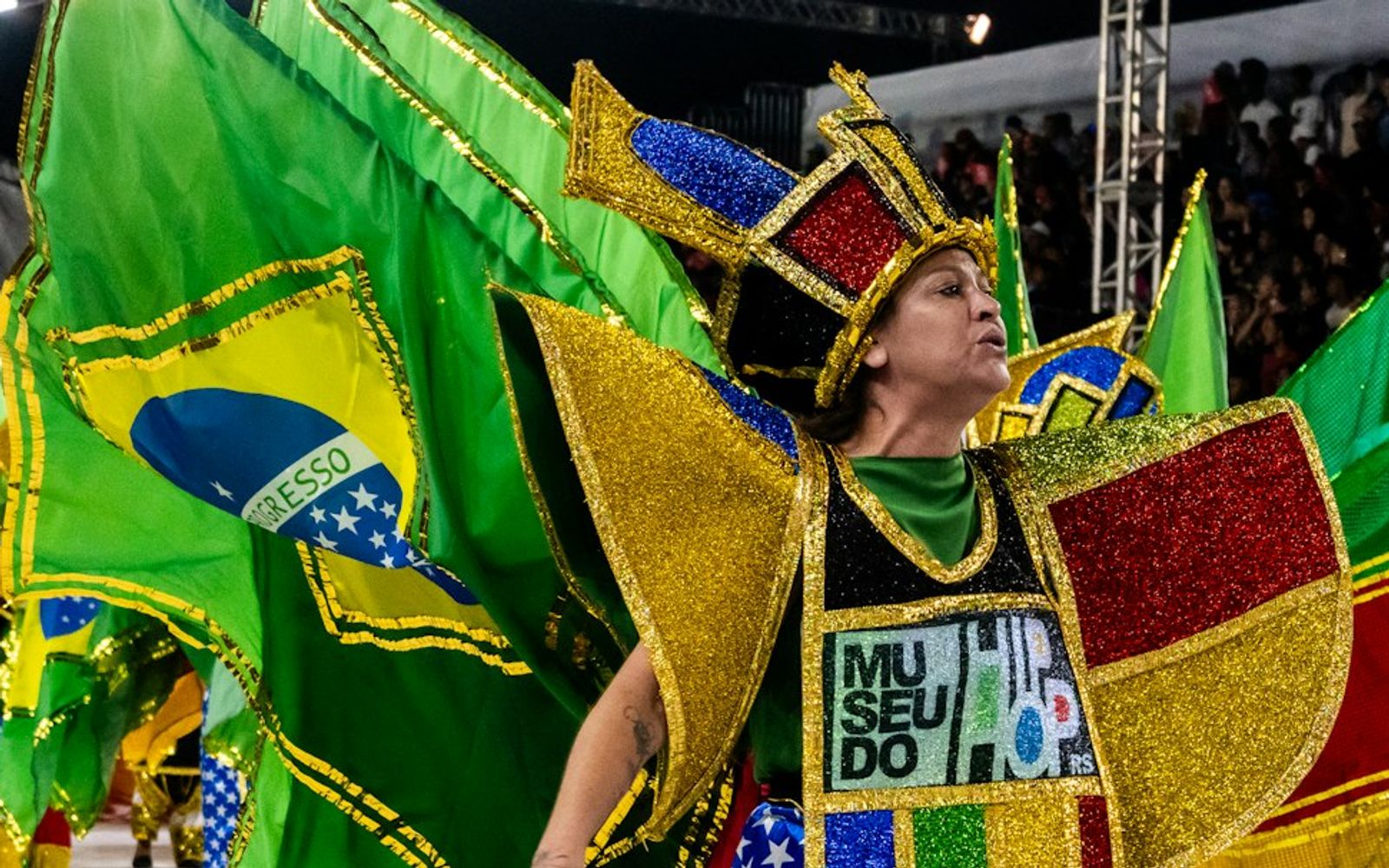
Guinness World Records recognizes the carnival in Rio de Janeiro as the largest on earth, and the entry reaches back to 1641. The Sambadrome, the long concrete avenue designed by Oscar Niemeyer where the parades the world actually watches take place, opened in 1984.
- 1The dating problem: Guinness credits Rio's carnival with a 1641 origin, but the Sambadrome where its defining parade happens opened in 1984. Venice's carnival was rebuilt in 1979.
- 2The trade show underneath: The biggest harvest celebrations of 2026 are farm equipment demonstrations, sake trade fairs and Guinness record attempts wearing festival clothes.
- 3Why it still works: Reinvention is the funding model. The events that survive are the ones rebuilt at least once for a paying audience.
Do the subtraction and the shape of the thing appears. Rio's carnival has a recorded life of roughly 385 years. The version that fills hotel rooms, sells broadcast rights and packs the avenue has existed for 42 of them, about 11 percent of the total. The Sambadrome date is the one that resets the whole story.
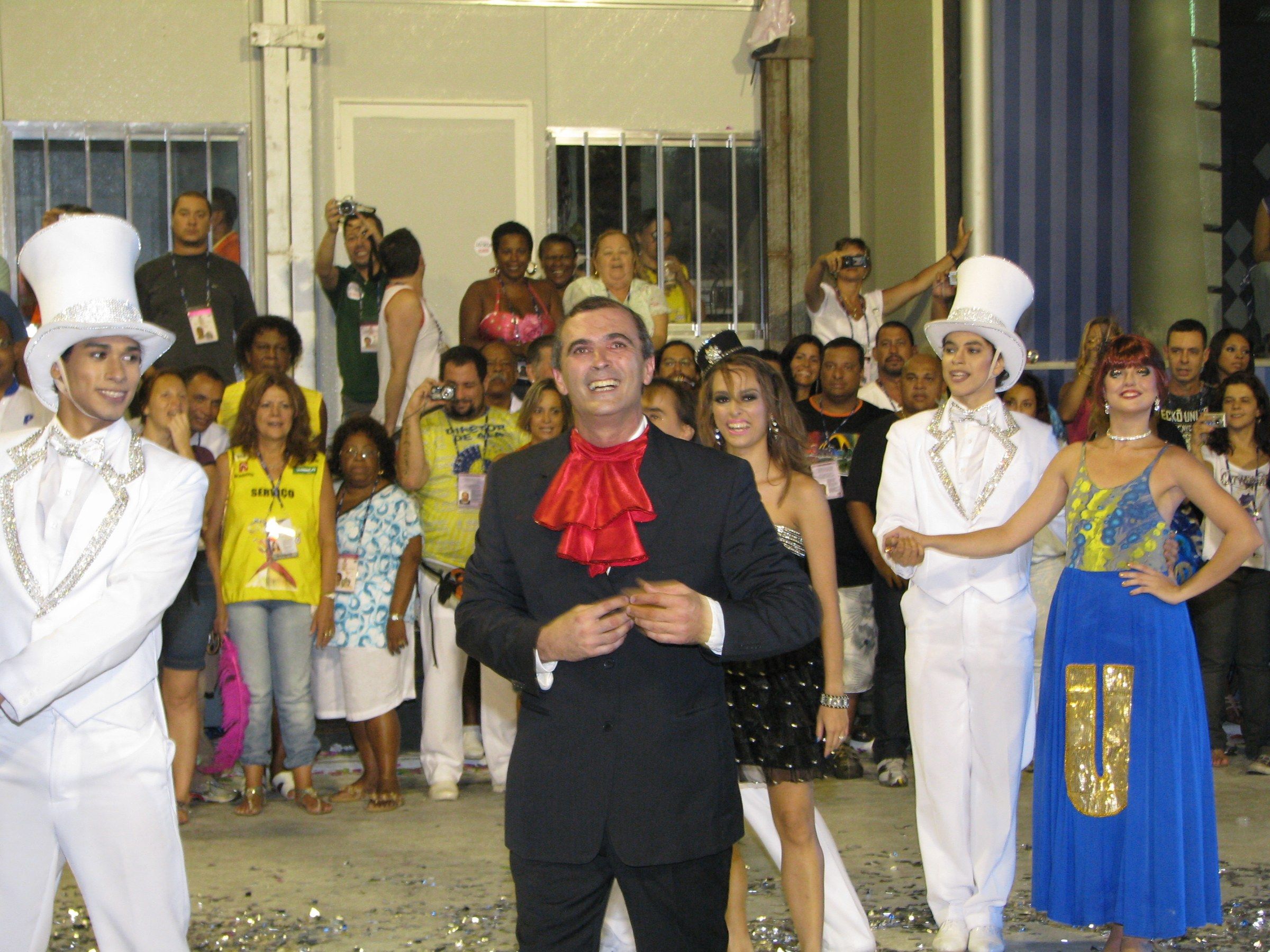
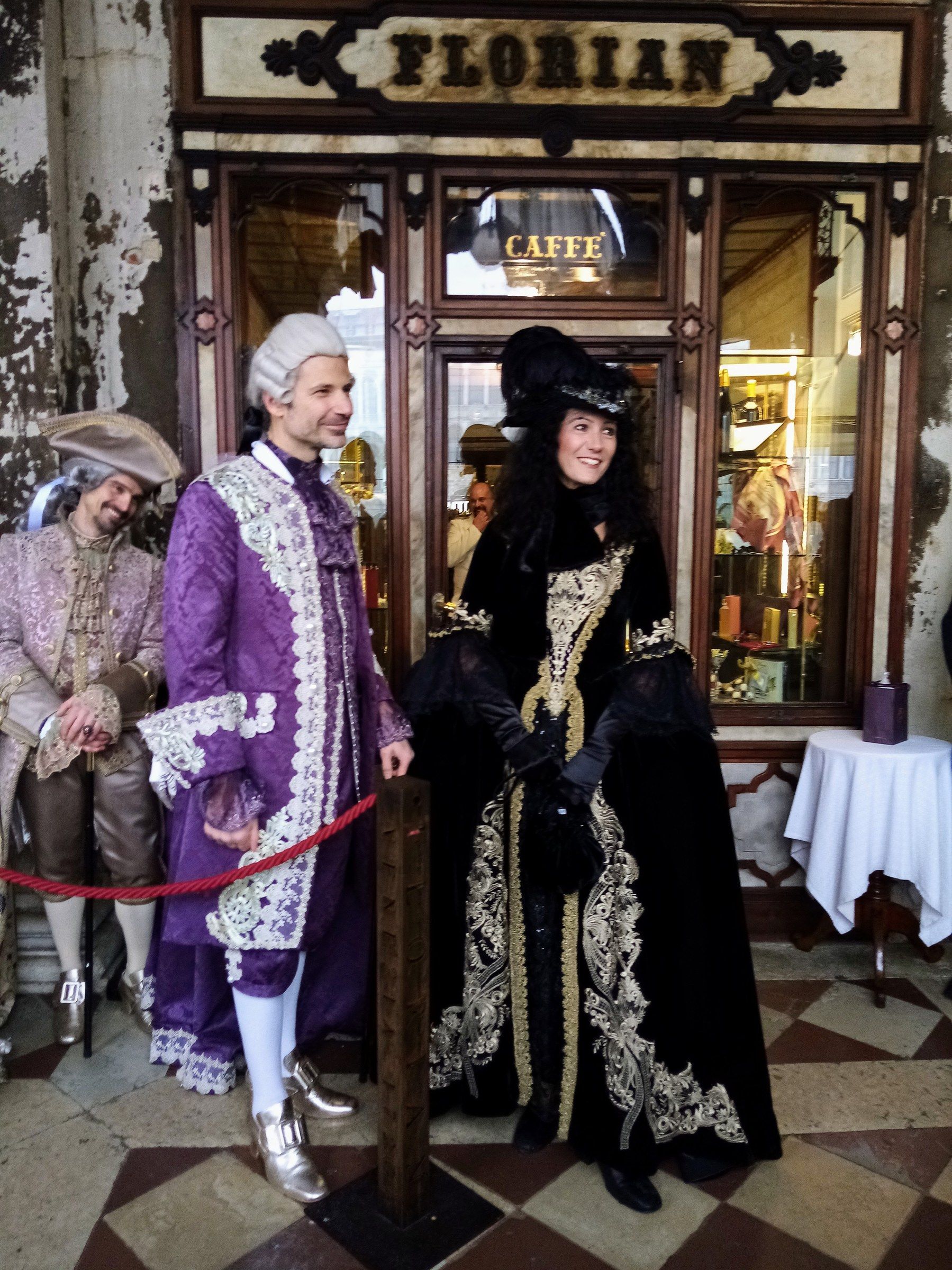
The same subtraction applies further north. Venice's carnival, the masked one that fills the lagoon with costume and opera, was suppressed under Mussolini and revived in 1979. That's 47 years of the modern event. The mask shops, the tourist boards and the ticketed balls all belong to the revival, not to the republic.
The math isn't a debunking exercise. It describes how public festivals actually work, which is by being rebuilt whenever the audience, the money or the politics changes.
Saturnalia Is a Useful Alibi
The standard genealogy runs from the Greek Dionysia through Roman Saturnalia into Christian carnival. That lineage of licensed disorder is real. What's thin is the connective tissue. Carnival as practiced is a pre-Lenten artifact timed to Ash Wednesday, and the street format with costumes and competing troupes came out of specific political fights, not out of temple ritual.
Trinidad is the clearest case. After emancipation in 1838, freed people took to the streets with drumming, masking and stick fighting, and colonial authorities spent decades trying to shut it down. The Canboulay disturbances of 1881, when police moved against drumming and stick fighting in Port of Spain, sit directly in that line.
So the ancestors of the world's biggest carnivals are municipal ordinances, police bans and the people who defied them. Saturnalia is a useful alibi, because license is easier to sell with a pedigree attached.
Harvest Fairs Are Trade Shows With Better Food
Today is the last day of October, which puts the northern hemisphere squarely in harvest festival season, and the largest celebrations are openly commercial. They don't pretend otherwise. The harvest is the theme and the business is the point.
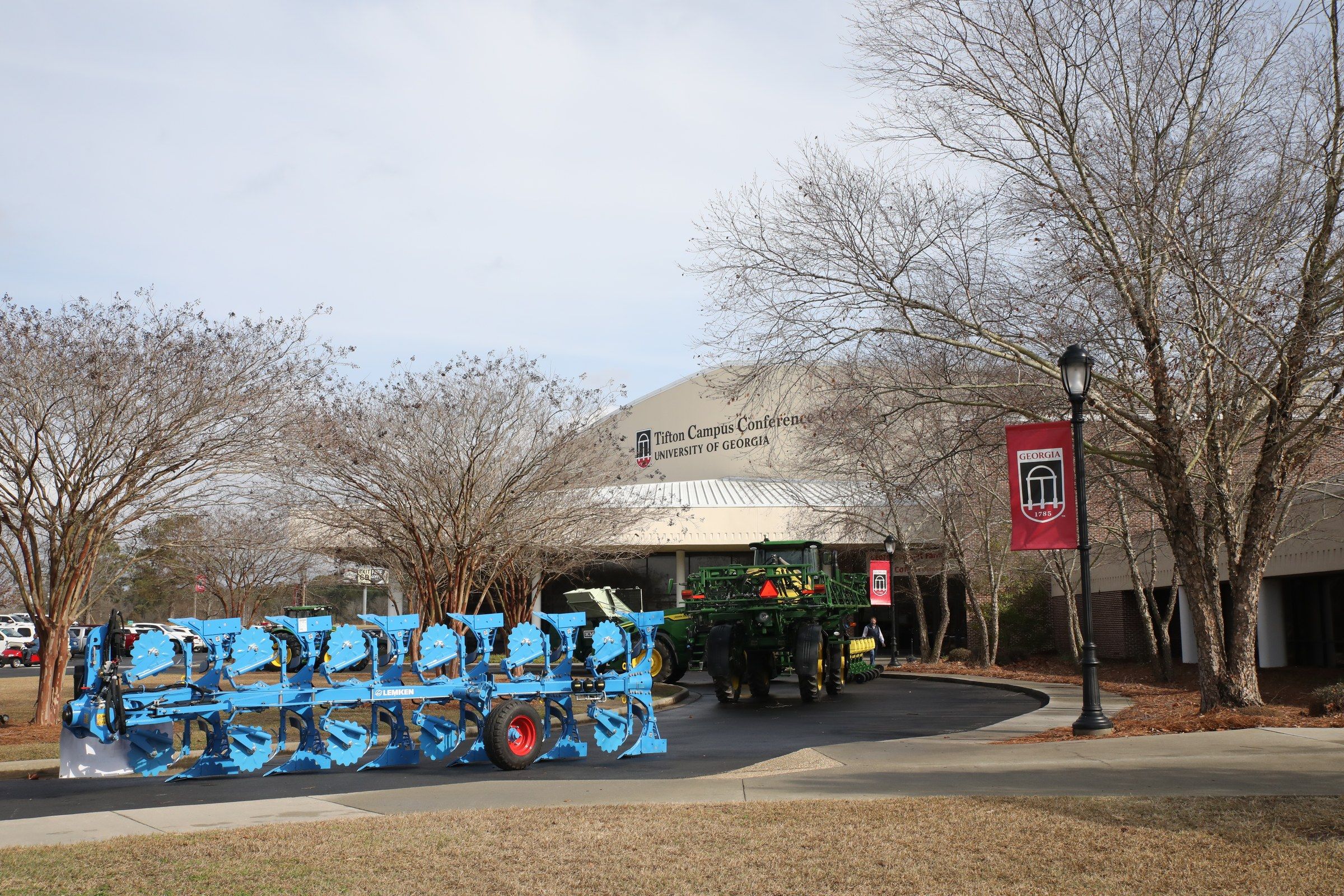
Husker Harvest Days in Grand Island, Nebraska, bills itself as the world's largest totally irrigated working farm show. People travel there for equipment demonstrations and irrigation rigs. The Tokyo Sake Fair's 17th edition drew more than 5,600 visitors to taste 1,200 varieties in July, and the brewers behind it were openly chasing younger drinkers and export markets.
Neither event is a relic of village custom. Both are trade shows with a festival's hospitality budget, which is a perfectly good way to run a celebration and a completely different story from the one the brochures tell.
Then there's the record chasing. In June, after a record avocado harvest, more than 1,000 growers in Michoacán assembled a 15,000 pound bowl of guacamole and called Guinness. Fifteen thousand pounds across a thousand growers is 15 pounds each. The bowl was a marketing line item and the certificate was the point. The pattern repeats across the calendar:
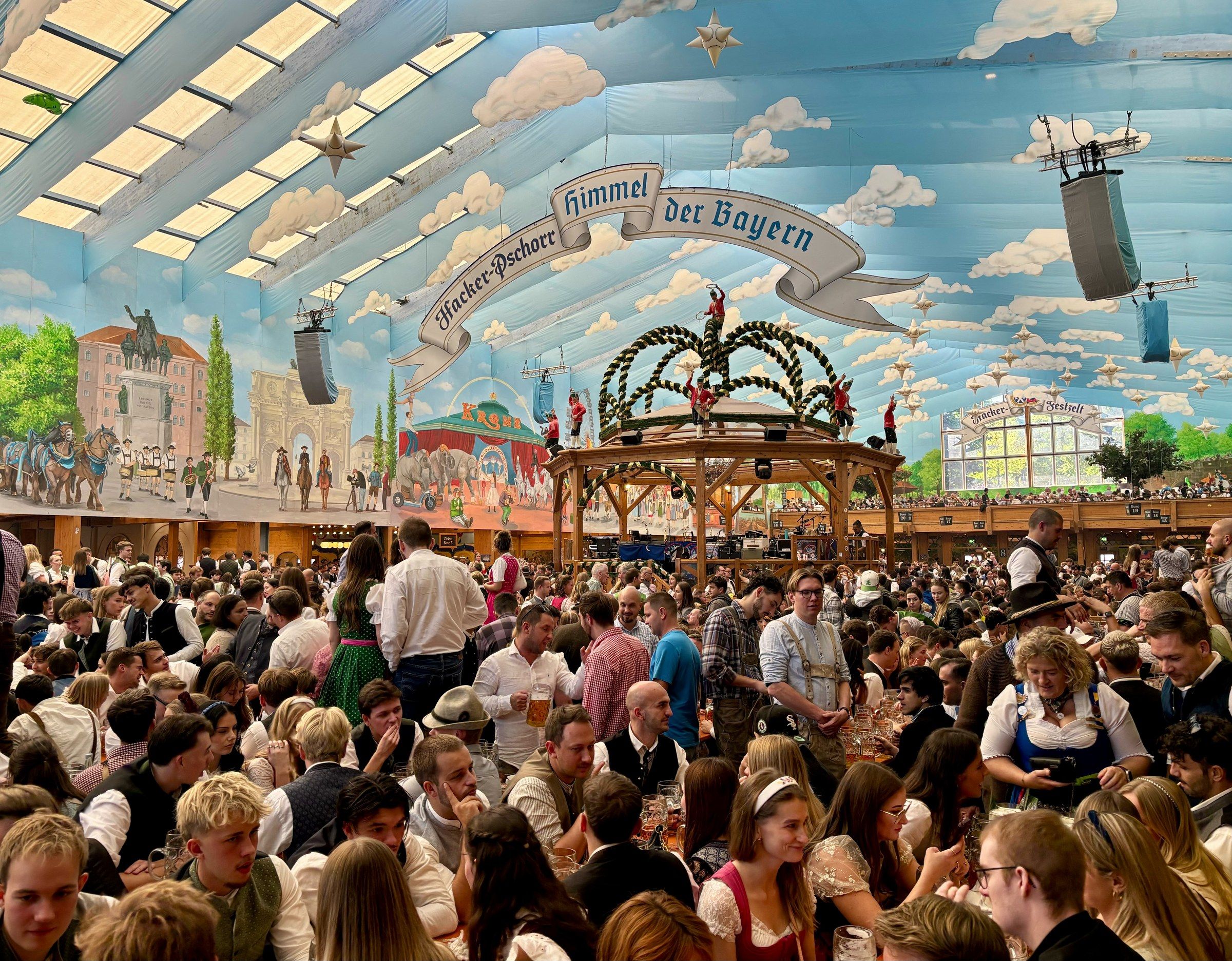
Where continuity is genuine, it tends to sit on a lunar agricultural calendar that hasn't been retrofitted. Pongal in Tamil Nadu and Chuseok in Korea still track the rice harvest, and the harvest is still the reason people gather. The three day holiday around Chuseok, though, is a modern administrative construction layered on top of it.
Why Reinvention Beats Continuity
The instinct is to read all of this as loss, as if a festival with a 1979 start date is thinner than one with a 1641 start date. But the events that survive are usually the ones rebuilt for a paying audience at least once, with infrastructure and rules and a working business model.
Rio's samba schools are neighborhood institutions competing in an annual televised league. That structure, not the 1641 plaque, is why the parade still happens. Music learned this lesson earlier. Catalog recordings outsell new releases because catalog gets reissued for each generation, and the same reissue logic now drives the streaming charts.
A festival gets reissued annually: new sponsors, new staging, a new record attempt, the same origin story recycled in the press kit. So the founding myth isn't a lie that's been allowed to stand. It's the copy that pays for the thing people actually come for.
The carnival is 385 years old and the thing everyone flies in for is 42. That gap is the only part of the story that has to be re-earned every single year.
Comments (0)
No comments yet. Be the first to share your thoughts.