Why 2026 Killed the Filler, Not the Cinematic Universe
Supergirl lost around $110 million while Spider-Man passed $2.5 billion. The 2026 box office proved that audiences never abandoned superhero cinema, only the disposable filler that once coasted on franchise momentum.

Three months before its first public screening, with reviews still embargoed and only two teaser trailers in circulation, domestic presales for Avengers: Doomsday stormed past $50 million. More than 70 percent of those early tickets were snapped up for premium large-format screens. Meanwhile, Supergirl, which landed in theaters that same summer, wrapped its entire domestic theatrical run at just $72.4 million. Two superhero films, sharing the same cultural lineage and theatrical calendar year, produced a presale window for one that nearly equaled the total lifetime domestic gross of the other. That staggering disparity is the defining cinema story of 2026, and the conventional superhero fatigue narrative completely fails to explain it.
- 1The 2026 split: Supergirl stalled at $126.5 million worldwide while Spider-Man: Brand New Day cleared $2.51 billion. Same genre, same calendar year, an unprecedented twentyfold gap.
- 2The broken subscription: The shared universe stopped working as an automated subscription, where weak filler was carried by the promise of the next ensemble team-up.
- 3Scarcity is the product: The Odyssey's year-ahead IMAX sellouts and Doomsday's $50 million early presales proved that moviegoers turn out for singular cultural events rather than brand loyalty.
The Numbers That Break the Fatigue Story
The fatigue thesis has been comfortable industry furniture since late 2023. Audiences are tired of comic book heroes, the studio argument runs, and the standalone film is staging a heroic comeback to reclaim the multiplex. The 2026 box office receipts tell a far more ruthless story. They did not reject comic book cinema; they split the market wide open.
Supergirl is the exhibit analysts reach for first. Released in late June on a reported net production budget of $175 million, it stalled out at $126.5 million worldwide, pulling in just $54.1 million from international territories that historically pad studio superhero balance sheets. Under Hollywood's conventional theatrical rule of thumb, a major studio release requires roughly 2.5 times its production budget in global ticket sales just to reach break-even once theater splits and worldwide marketing costs take their cut. At $175 million net, Supergirl needed roughly $440 million globally just to emerge whole. It finished its run at barely 29 percent of that threshold, leaving Warner Bros. and DC Studios absorbing a write-down between $100 million and $120 million.
Then look at the opposite end of that exact same release calendar. Spider-Man: Brand New Day blasted past $2.51 billion worldwide, powered by a debut teaser that racked up 719 million views in its first 24 hours, the highest digital trailer launch ever recorded. Second place on that all-time trailer list belongs to Avengers: Doomsday at 503 million views, as confirmed by Variety. Both films sold superheroes. Both traded on established cinematic continuity. Yet audiences turned out for one in numbers unseen since Avengers: Endgame, while letting the other slip quietly into catalog streaming.
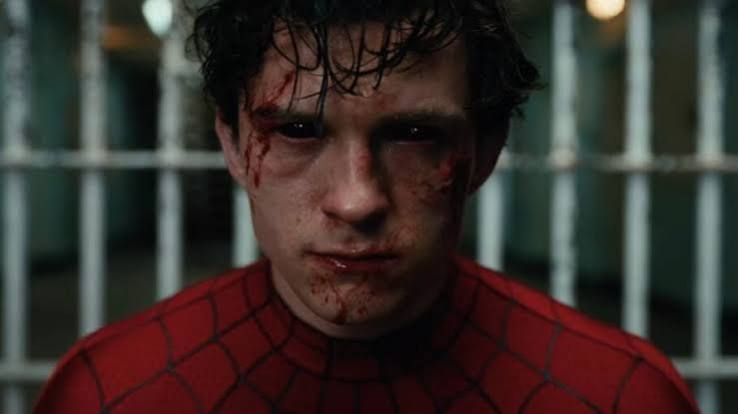
Divide the two grosses and the gap is twenty to one. Same genre, same demographic, same historical moment, yet one film generated twenty times the box office of the other. Genuine audience fatigue does not create a twentyfold spread. True fatigue is indiscriminate; it stays home, ignores trailers, and checks out of the multiplex altogether. What happened in 2026 was something far sharper: audiences showed up, looked at the slate, and exercised rigorous, unforgiving taste.
What Broke Was the Subscription Model
From 2008 through 2019, the Marvel Cinematic Universe operated like an annual theatrical subscription. Even a middling, workmanlike installment functioned as a down payment on future joy, because moviegoers knew exactly what they were funding. You bought a ticket to Thor: The Dark World or Ant-Man and the Wasp not because the standalone film demanded your afternoon, but because it was an entry in the ledger for an ensemble payoff you had already decided to experience.
That commercial logic required the narrative promise to stay lean and urgent. The moment output metastasized into endless streaming mini-series, obscure character spinoffs, and multiversal detours after Endgame, that contract dissolved. Releases began arriving as homework assignments rather than cultural celebrations. When a ticket asks for study time before you sit in the theater, declining the invitation becomes the easiest choice in the world. Moviegoers never walked away from interconnected storytelling; they walked away from obligatory trivia at the exact historical moment inflation turned an evening at the theater into a considered luxury.
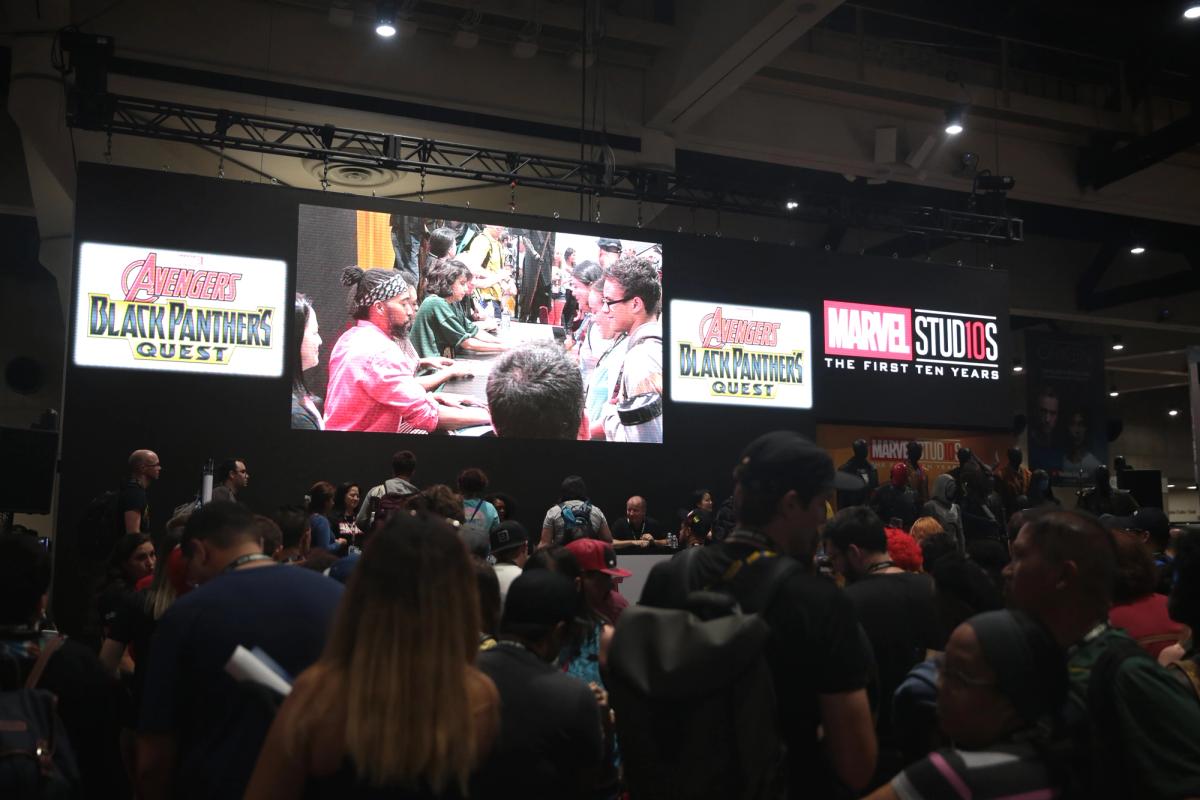
Attention had fragmented across every creative medium by 2026. In a culture where streaming algorithms and short-form video pull audiences into thousands of hyper-niche micro-communities, the only cultural property commanding genuine pricing power is the rare spectacle that gathers everyone into the same room at the same time. Interconnected continuity once possessed that power naturally. Overproduction extinguished it.
Standalone Is Not the Fix, Scarcity Is
Christopher Nolan's The Odyssey has crossed $1.77 billion worldwide. A full year before opening night, IMAX put advance weekend showtimes on sale and watched them sell out in hours, mirroring the frenzy of an arena stadium tour. Studio executives immediately hailed Nolan's triumph as proof that audiences are craving standalone originals: a classical three-hour epic adapted from an ancient poem, completely free of corporate franchise obligations.
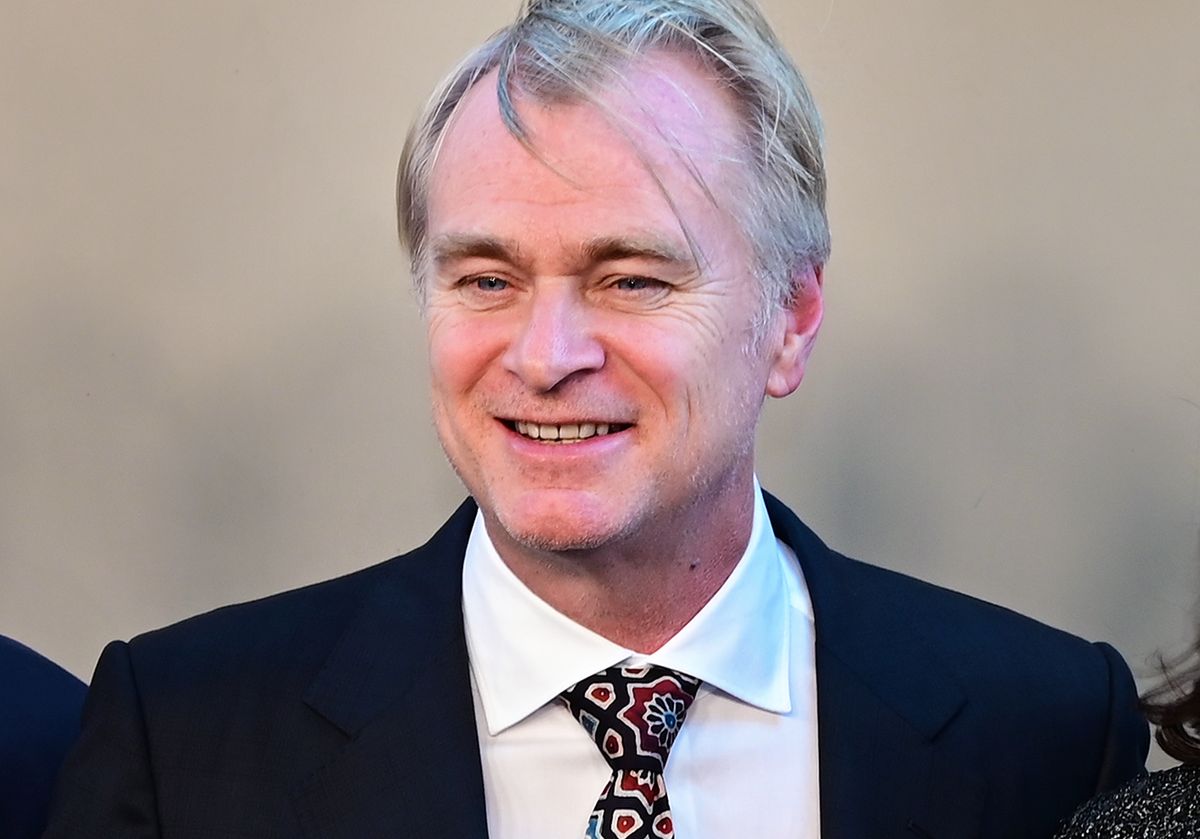
Project Hail Mary provides the second pillar of the argument, grossing $680 million worldwide after opening to $80.6 million domestic. As The Hollywood Reporter observed, it represents only the second non-franchise property in a decade to clear $80 million on its debut weekend, following Nolan's Oppenheimer. Yet neither film succeeded simply because it lacked a post-credits scene. Both succeeded because they were engineered as finite, premium events: bestselling source material, top-tier directorial vision, beloved movie stars, and extensive commitments to 70mm and IMAX formats.
To label this a standalone revival is to mistake the symptom for the cause. What returned to cinema was scarcity. A standalone masterpiece does not have to serve a five-year corporate slate, seed three spin-offs, or tease a Disney+ side character. It only has to justify its own two hours on screen, which is a dramatically higher artistic standard than being an incremental puzzle piece in a sprawling universe.
Serialized universes are not inherently broken either. Japanese animation has spent decades demonstrating that global audiences will gladly follow complex, multi-year continuity across hundreds of episodes and box-office record breakers like Demon Slayer and One Piece. That dedication remains vibrant and loyal. It simply demands that every single chapter justifies the price of admission on its own artistic merits.
The Lesson Studios Are Reading Backwards
The tempting, lazy studio takeaway from 2026 is that superhero universes remain completely healthy because Spider-Man conquered $2.5 billion. That shallow reading is precisely how studios end up greenlighting the next $200 million misfire with an inflated budget, an unpolished script, and a hopeful cameo stitched onto the end.
A historic blockbuster at the top of the box office chart easily masks a collapsing floor below it. A $2.5 billion triumph proves that an event can still conquer the globe if it is treated as a cultural landmark, crafted with real emotional resonance, and promoted for eighteen months as an unmissable spectacle. Productions that attempt to coast on that same slipstream without doing the underlying creative heavy lifting will continue to crash quietly.

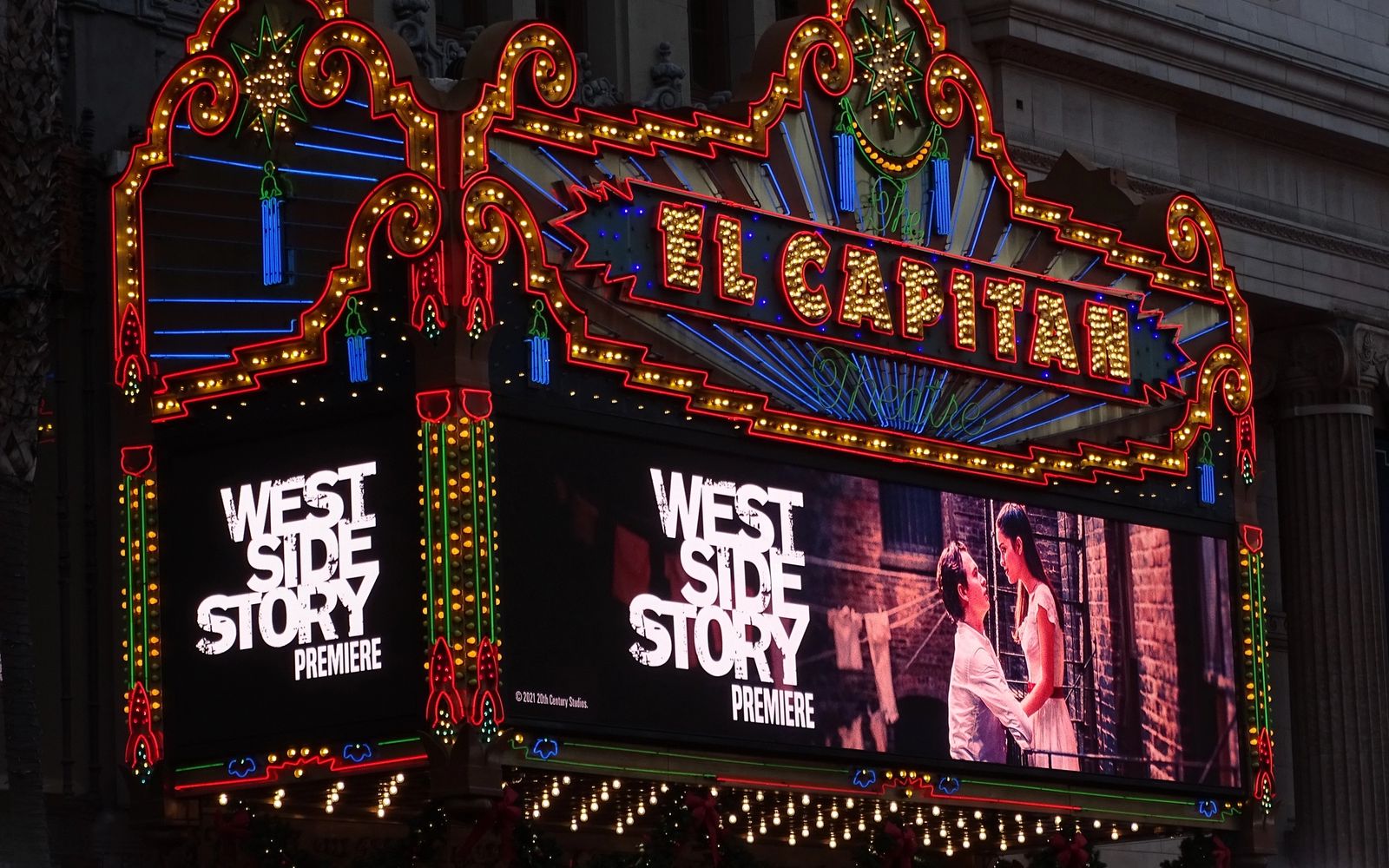
December will put this dynamic under public scrutiny once again, as Avengers: Doomsday and Denis Villeneuve's Dune: Part Three land on the exact same release date, competing for the same premium large-format auditoriums and the same holiday entertainment dollars. Villeneuve holds the primary IMAX commitment. When the dust settles and one of those two behemoths posts numbers below breathless Wall Street forecasts, industry pundits will predictably rush to diagnose franchise fatigue. In truth, the blockbusters that conquered 2026 shared four non-negotiable qualities:
- A release calendar date treated as an unmissable cultural occasion rather than a routine corporate calendar slot.
- A grand visual format the production was specifically built for, rather than a hurried post-conversion.
- A self-contained emotional resolution that delivers closure, even while keeping the universe alive.
- An authentic marketing campaign that earns audience enthusiasm over months of disciplined storytelling.
None of this signals the demise of the cinematic universe. It signals that a shared universe has ceased to be an automatic business model and has shrunk back to what it always should have been: a modest distribution advantage. A famous franchise brand can guarantee awareness and hand a production an opening weekend crowd. It cannot buy a second weekend, and it can never replace the fundamental necessity of making a great movie.
Comments (0)
No comments yet. Be the first to share your thoughts.