Why Readers Are Dropping Copy-Paste BookTok Romances
You know the opening chapter before turning page ten: a viral micro-trope checklist, flat copy-paste banter, and software tools tracking TikTok tags faster than editors cut filler.

Pick up an algorithm-tested romance paperback this autumn and an odd deflation hits halfway through chapter four. The prose is usually fine on a sentence level, even if rushed print schedules leave a few stray typos behind. What wears readers out is recognizing the exact beat of the banter, the male lead's exact height and brooding hobby, and the placement of the "only one bed" twist ten minutes into a book they just bought.
Across r/RomanceBooks, local book clubs, and independent shop counters, BookTok fatigue has moved well past literary snobbery. Regular commercial romance buyers are leading the pushback. Nobody is walking away from escapism or happy endings; readers are simply tired of books assembled like flat-pack furniture from recycled viral tags.
How Marketing Tags Replaced Story Instinct
Commercial genre fiction has relied on familiar beats for generations. Nobody bought a 1991 mass-market historical paperback expecting pure narrative shock; shoppers liked knowing a stubborn duke or small-town rancher would eat his pride by page three hundred. Even so, readers bought a story carried by an author's distinct voice, and editorial desks spent months trimming sagging middle chapters before cartons ever reached stores.
Short-form vertical video flipped that editorial order backward. To stop thumbs scrolling past midnight inside a fifteen-second clip lit by string bulbs, a novel stopped needing a patient emotional buildup and started needing four scannable labels floating beside the spine: enemies to lovers, forced proximity, grumpy x sunshine, touch her and die. Once major imprints saw four bullet tags move six-figure paperbacks off retail tables inside days, acquisition meetings began chasing tag spreadsheets straight off social feeds.
Software tooling soon formalized the pipeline. Market trackers such as TropeSmith scan reader chatter across TikTok, Amazon shelves, and forum threads to pinpoint which micro-tropes are peaking, while romance platforms like PlotProse build pre-mapped commercial plot templates around reader expectations. Tracking genre appetite itself breaks no rules; publishers have studied retail sell-through since paperbacks existed.
The trouble starts when drafts are reverse-engineered straight out of spreadsheet velocity. Instead of asking what two specific characters fear, want, or hide from one another, the chapter functions like a delivery truck dropping scheduled fan-service moments on cue. Every convenient snowstorm hits outside an inn with a single mattress. Every protective declaration sounds lifted from an audio clip trending two Tuesdays earlier.
What Speed-Run Acquisition Cuts Out
Ask veteran readers on Reddit why they abandon hyped 2026 releases around the thirty-percent mark, and explicit scenes rarely top the complaints. The sharpest frustration targets rushed serial pacing: bloated five-hundred-page paperbacks padded with circular inner monologues repeating the same crush anxieties every twelve pages, paired with compressed print deadlines that skip heavy developmental editing.
When an imprint buys a viral self-published breakout and rushes physical stock onto chain tables inside twelve weeks before a hashtag cools down, structural rewriting goes first. Copyeditors catch stray spelling slips while pacing holes survive intact. Leads swear on page twelve that they trust nobody alive, then drop every boundary before page ninety because promo clips need fast payoff. Dramatic friction gets swapped for cosmetic inventory: six-foot-one frame, sharp jawline, cedar cologne, practiced scowl.
Devoted genre fans still want tension that costs characters pride or safety to cross. Contrast sixty patient pages of shared work dialogue where neither person dares expose old hurt against a fast-turn hit dropping grand declarations by chapter six for easy quote overlays. Algorithm hooks move copies on Tuesday afternoon. Real sentence craft keeps readers awake past two in the morning because two strangers on the page sound brittle, stubborn, and distinct.
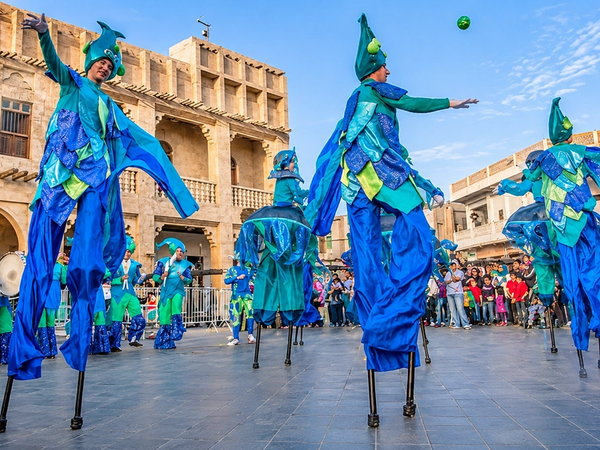
Look across adjacent creative fields and the appetite for real texture jumps out: when literary traditions push outward into physical staging and strange hybrid forms, audiences respond immediately to risk and personal voice. Mainstream paperback marketing spent four straight years flattening covers into identical pastel vectors and squeezing distinct prose habits into one standardized monologue template.
Why Readers Are Returning to Backlist Paperbacks
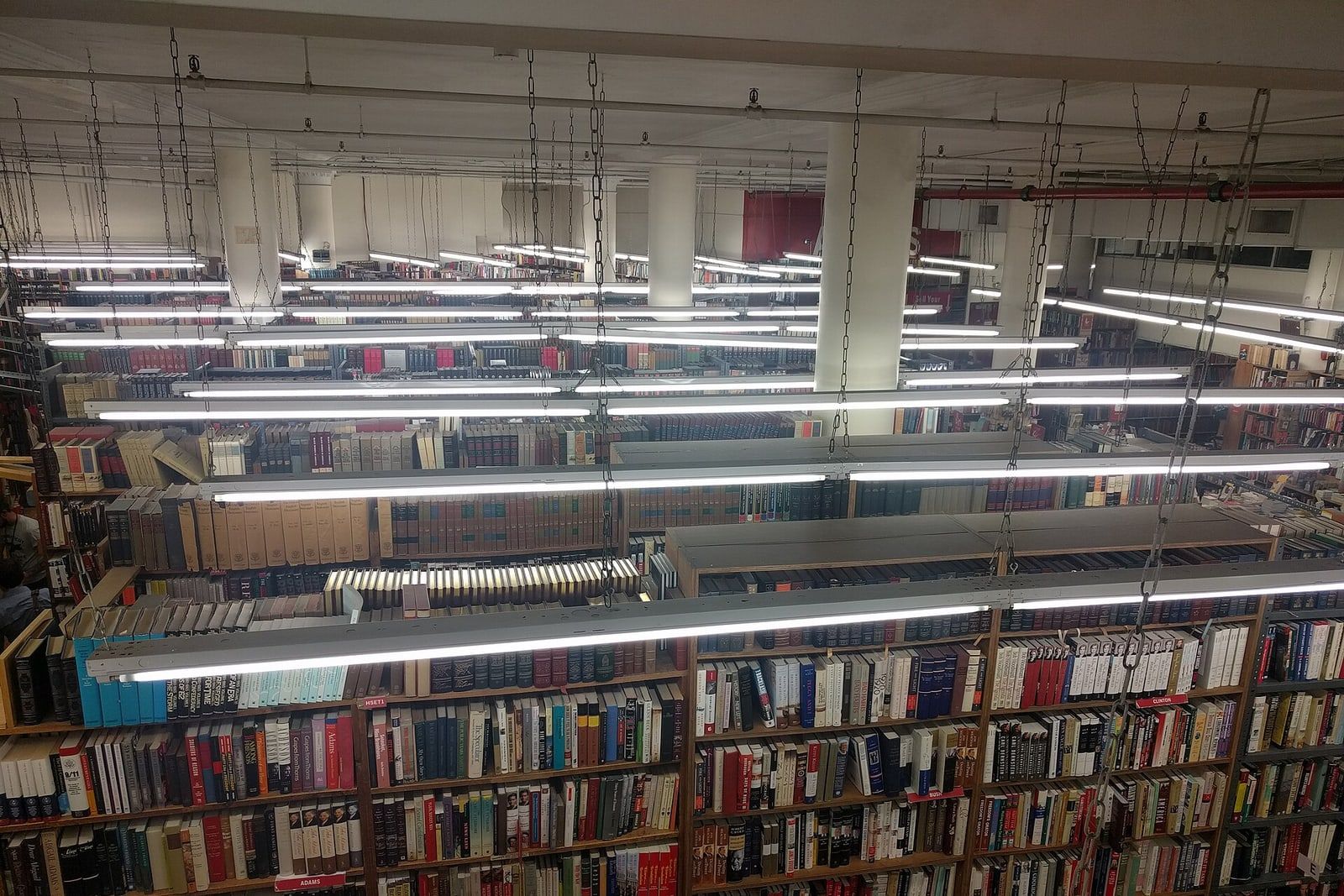
Look past monthly hype reels right now and personal reading queues tell a very different story. Pre-2020 backlist paperbacks are circulating briskly through used bookshops, digital sales, and private Discord read-alongs like sought-after records. Burned out after dropping three splashy new releases before chapter ten, shoppers are digging back into 1990s historicals, early-2000s romantic suspense, and midlist contemporary novels edited years before publicists worried about clipping dialogue into TikTok overlays.
The Appeal of Older, Messier Characters
Protagonist age and ordinary competence play an underrated part in that drift back toward older shelves. Midlist backlist catalogs regularly followed forty-year-old mechanics, tired single parents, stubborn town archivists, and working professionals whose attraction built gradually through shared logistics, clumsy pride, and dry humor. Imperfections stayed awkwardly human instead of sanded into cute relatable hashtags. You rarely ran into an identical twenty-two-year-old assassin trading internet slang with an immortal ruler.
Why Deluxe Hardcovers Stopped Hiding Thin Drafts
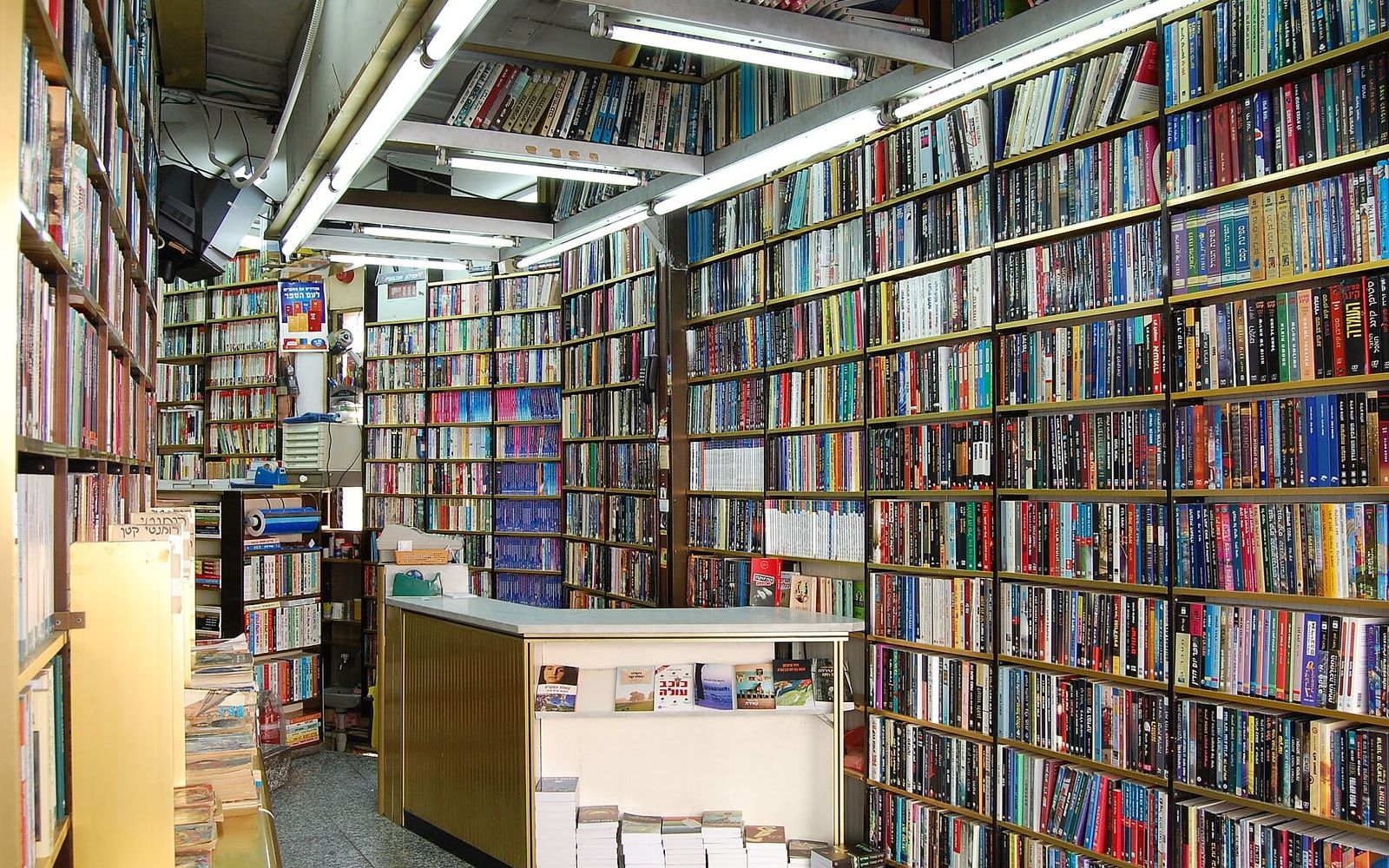
Neighborhood booksellers watch buyers recalibrate right at the register every weekend. Handwritten staff-pick shelf cards hold real authority again precisely because view counts broke down as reliable indicators of good writing.
Sprayed-edge collector hardcovers and embossed foil slipcases also stopped masking thin prose once shoppers realized special deluxe printings simply charged thirty dollars for the same rushed Kindle draft inside. When a buyer drops sixty dollars on three embossed viral favorites and leaves every single one unfinished before the halfway mark, social-media certainty evaporates. Heavy readers still buy voraciously every month, yet spend carefully on trusted craft rather than algorithm bait. Word of mouth returns to simple human proof: a friend sliding a dog-eared paperback across a cafe table and explaining why its ending stuck with them for days.
Where Romance Writers Are Going Next
None of this signals an end to bookish short-form video, nor should booksellers wish TikTok readers away. Video reviews pulled younger audiences past cynical elitism, kept independent bookstores crowded through tough retail winters, and proved fiction still competes against streaming apps for spare evening hours. Every retail wave hits saturation once copycats drown out the originals.
Publishing insiders heading into 2027 already note steeper drop-offs between book one and book two of hurried trilogies, tougher advance vetting, and renewed bidding for standalones with sharp comedic timing or regional color. Independent authors feeling algorithmic exhaustion are migrating toward slower, direct-to-reader channels too. Substack serials, Ream member tiers, and reader newsletters let romance writers spend eighteen months building textured side characters and natural dialogue without twisting every chapter opener around a 12-second audio transition.
Comments (0)
No comments yet. Be the first to share your thoughts.