One Milwaukee Cinema Still Threads 70mm Film Year Round
Milwaukee's Oriental Theatre still projects 35mm and 70mm film, and that rare booth has quietly become a studio marketing asset.

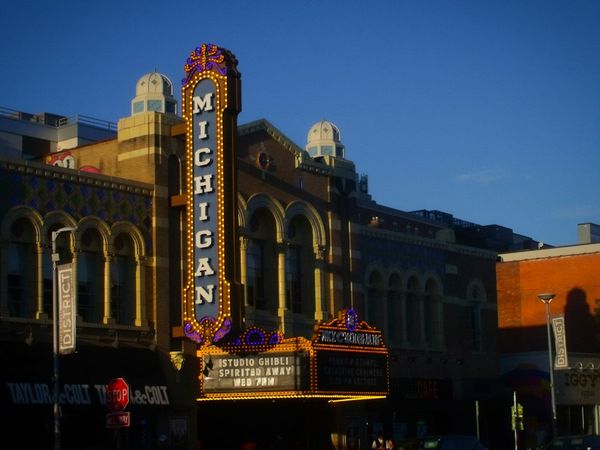
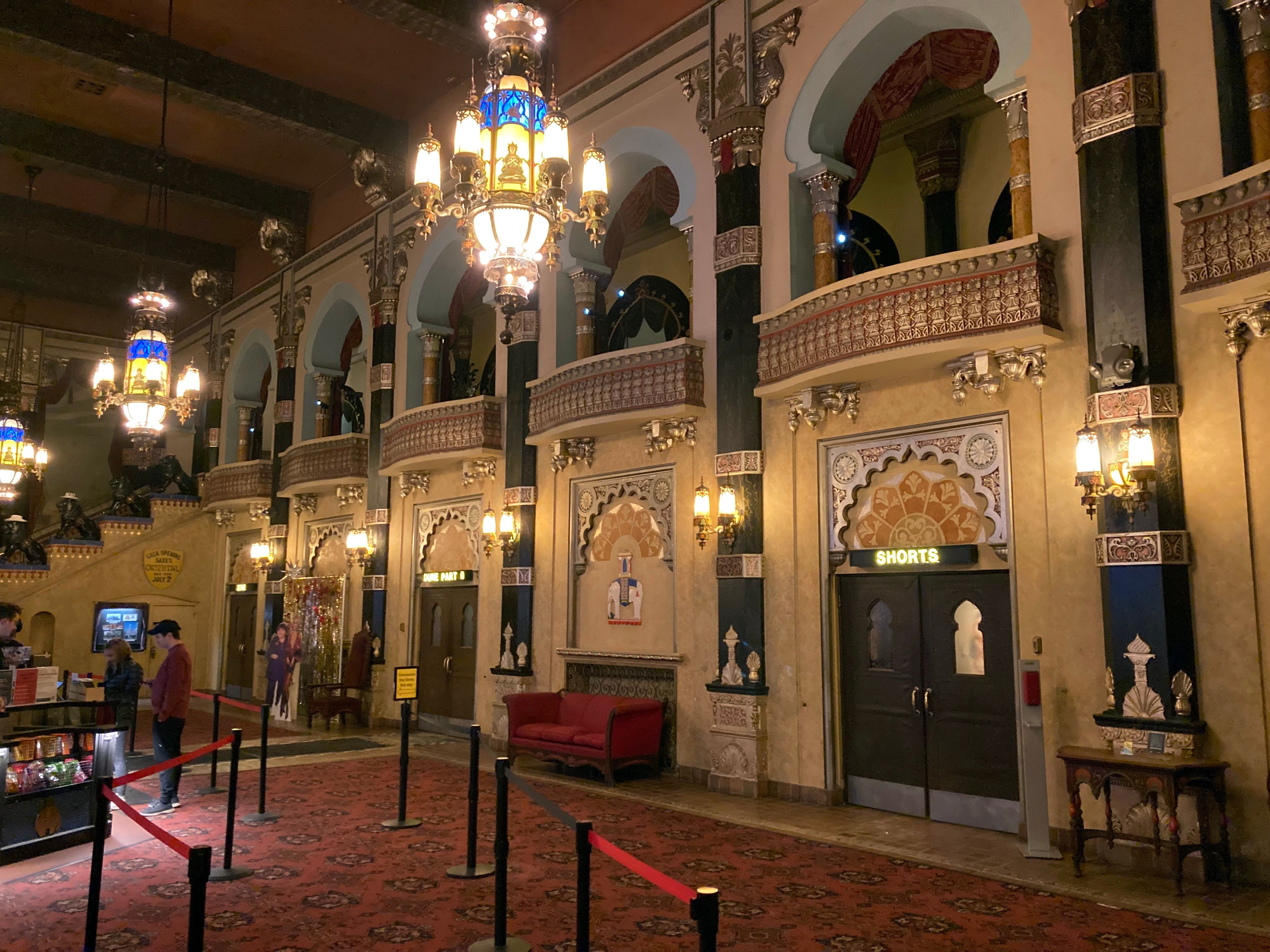
Milwaukee's Oriental Theatre opened on July 2, 1927, with elephants carved into the lobby walls and three performances on its first night. This December it's selling something almost no American cinema can offer: a 70mm print run of Dune: Part Three starting December 15. The building on North Farwell Avenue has been run by the nonprofit Milwaukee Film since 2018, and in that time it has moved past heritage-site status into something more useful, a working piece of film infrastructure.
- 1Rare Dual-Gauge Booth: Opened in 1927, Milwaukee's Oriental Theatre is Wisconsin's only year-round 70mm cinema and one of fewer than 20 U.S. venues equipped for both 35mm and five-perf 70mm.
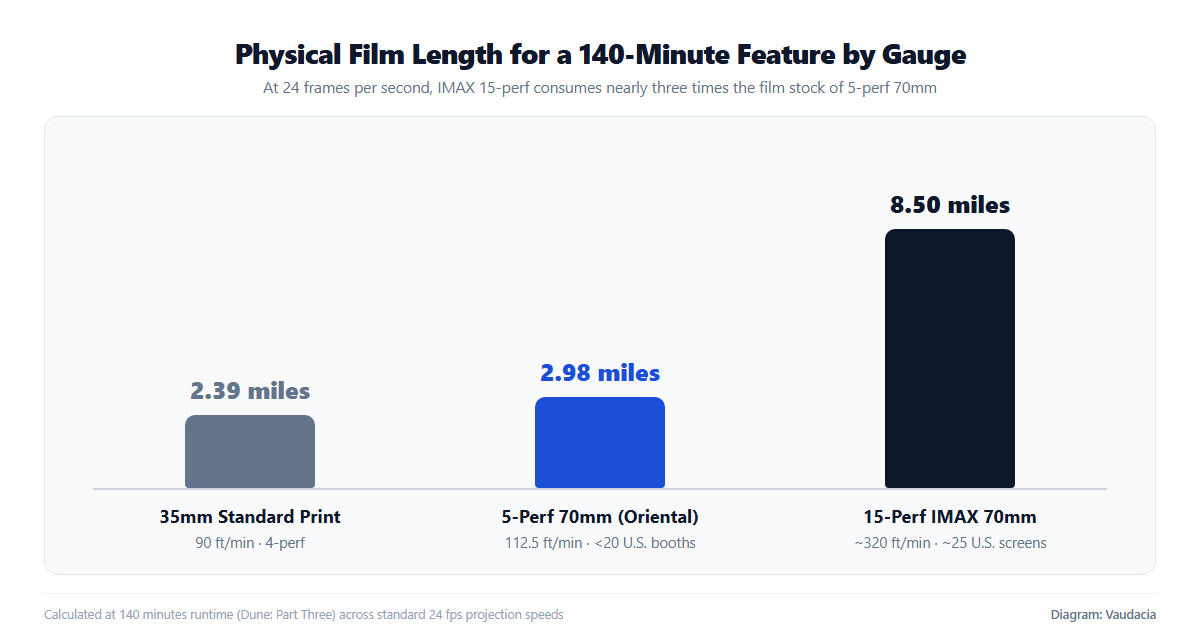
- 2The Physical Print Math: A 140-minute feature like Dune: Part Three runs nearly 8.5 miles in 15-perf IMAX 70mm compared with just under 3 miles on five-perf 70mm at 112.5 feet per minute.
- 3Nonprofit Cushion vs. Studio Scarcity: Studios use packed historic balconies for event marketing in December, while Milwaukee Film funds the other fifty weeks through memberships, grants, and the Downer Theatre.
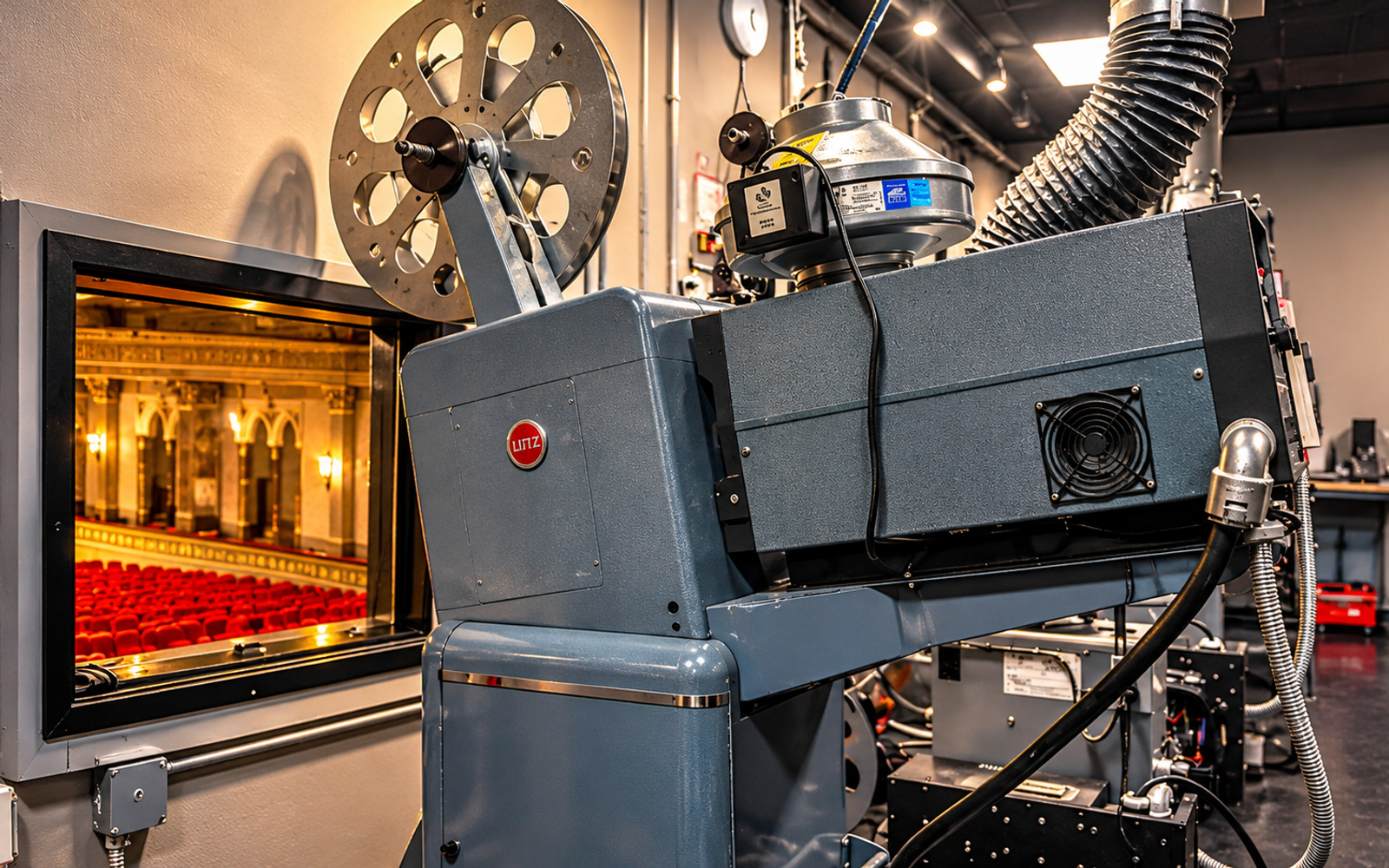
The Abele Cinema, the main house that survived a late-1980s triplexing, runs digital alongside 35mm and 70mm. Its Century JJ projector heads carry custom three-blade shutters, according to the theater's own technical listings, and the room is the only screen in Wisconsin capable of projecting 70mm year round. It's also one of fewer than 20 cinemas in the country equipped for both gauges.
That scarcity isn't the one you read about every summer. The IMAX 70mm houses that sold out for Christopher Nolan's The Odyssey run a 15-perf format with roughly three times the frame area again, and there are only about 25 of them in the United States. The Oriental's 70mm is the older five-perf gauge, the one that carried Lawrence of Arabia. Rarer in practice, cheaper to run, and exactly the sort of thing a nonprofit can hold onto when a chain cannot.
So one Milwaukee screen can program a restored art-house film on a Tuesday and a studio tentpole on a Friday. The weeks ahead run from Tsai Ming-liang's The Hole to Hundreds of Beavers to a Cameron Winter concert film, with Dune waiting at the end of the corridor.
What It Costs to Move the Film
The physical object is the part people underestimate. When Oppenheimer ran in IMAX 70mm in 2023, the assembled print arrived in three 200-pound cases, weighed around 600 pounds and measured 11 miles for a three-hour film. That works out to a bit over 320 feet of film per minute of runtime, which is the genuine cost driver in large-format exhibition.
Run the same rate against Dune: Part Three's 140 minutes and you get an IMAX print close to eight and a half miles long. The Oriental doesn't need nearly that much, because five-perf 70mm advances at 112.5 feet per minute at 24 frames per second, which puts the same film on the older gauge just under three miles.
Why the Booth Craft Cannot Be Automated
Every foot of a 70mm print arrives on separate shipping reels that have to be inspected frame by frame, spliced onto horizontal platters, and tension-checked before a single ticket holder sits down. A single damaged perforation or bad splice is permanent, a misthread at 7:58 on a Friday becomes a public refund line, and the projectionist who can diagnose a slack loop or re-sync a magnetic or DTS timecode track in sixty seconds is the least replaceable asset in the building.
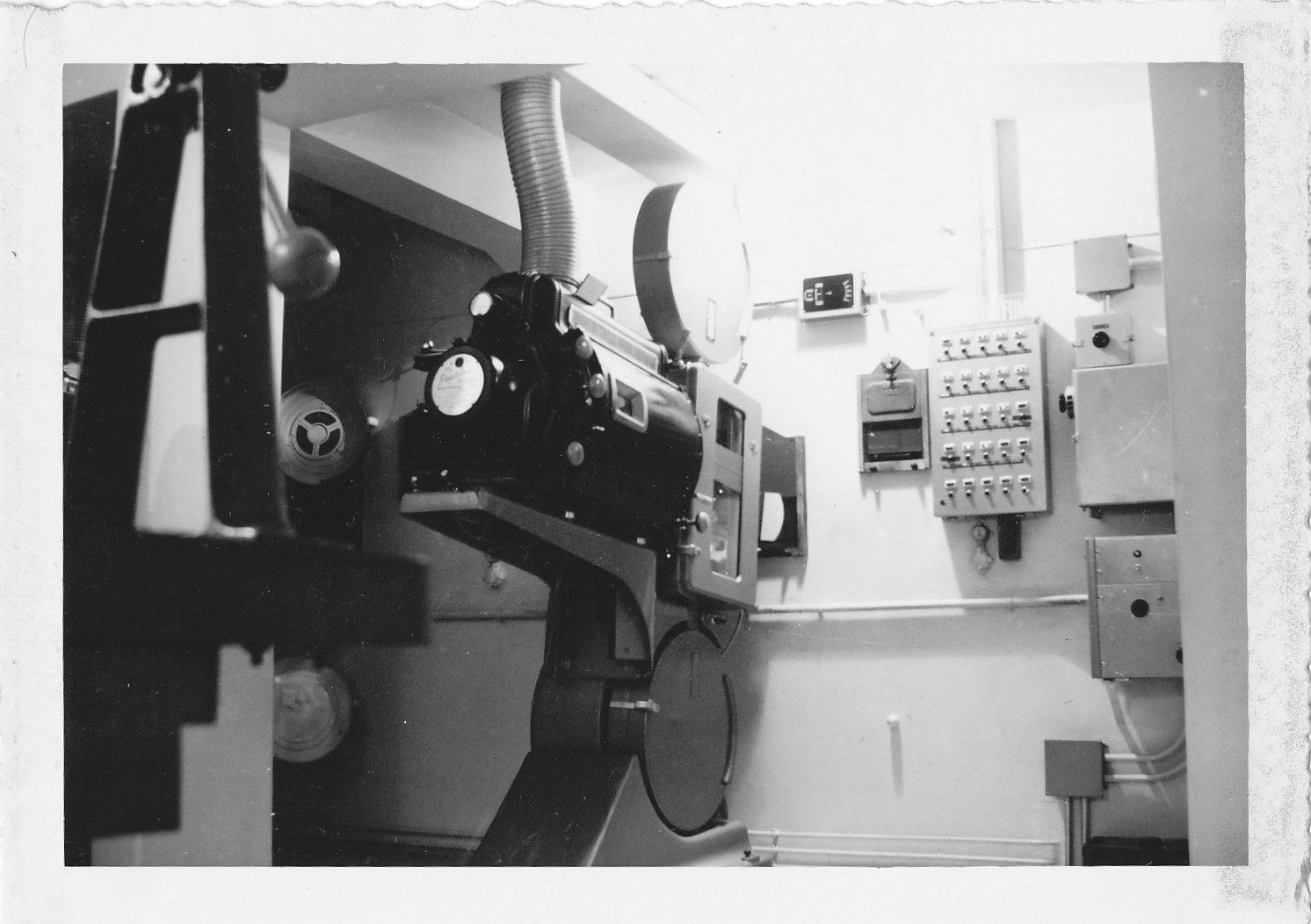
Hardware scarcity compounds the labor bottleneck. Century JJ projector heads, custom three-blade shutters, xenon lamphouses, and 70mm platter rollers are no longer rolling off commercial assembly lines at scale. Keeping a dual-gauge booth calibrated requires cannibalizing parts from shuttered movie palaces, machining small replacement bushings locally, and pairing veteran union projectionists with apprentices before retirement empties the booth. The Oriental's 70mm capability is a machine, a booth and a skill set, and only two of those three can be bought with money.
The Economics of the Empty Balcony
None of this is sentimental. A 700-seat house playing a repertory print to ninety people doesn't cover a multiplex's overhead, and most chains stopped pretending otherwise two decades ago. Milwaukee Film carries it because the Oriental sits inside a nonprofit with memberships, grants, festival revenue and a second historic venue, the Downer Theatre, added in 2024.
The pattern repeats across analog formats. Vinyl's real constraint isn't demand, it's the short list of lacquer-cutting lathes and the people trained to run them, and film prints obey the same logic: a format survives where one institution absorbs the fixed cost and treats the machinery as infrastructure rather than a profit center.
Digital projection flattened everything else. When every screen in America renders the same file at the same quality, a cinema's only product difference is the room and the gauge. A working 70mm booth is a moat that capital can't dig quickly, because the equipment isn't manufactured at scale and the operators have to be trained on it.
IMAX and Cinemark also agreed to add IMAX with Laser and IMAX 70mm film systems across 17 locations in the US and South America, with new 70mm projectors timed to be running before The Odyssey opened in July. A distributor buying hardware tells you film exhibition isn't purely a museum project in 2026.
Why the Studios Need the Booking
Dune: Part Three opens wide on December 18. IMAX put its 70mm film tickets on sale in August, the format runs to roughly 36 venues worldwide with about 25 of them in the United States, and buyers queued for hours and emptied whole houses in a day. The Oriental starts its own 70mm run on December 15, three days ahead of the crowd.
Warner Bros. doesn't need Milwaukee's 700 seats. What the studio needs is the photograph of a 1927 balcony filling for a physical print, because that image does work a streaming thumbnail can't. Early regional sellouts create social proof and earned press coverage ahead of wide Friday openings, turning a small midwestern nonprofit booth into a national marketing megaphone. The scarcity is the campaign, and the theater holding the machine gets to be part of it.
The Oriental's usefulness to the industry right now is as a scarcity asset, one of a few dozen rooms in the country that can turn a marketing budget into an event. But the machine only survives on the ordinary weeks, when the marquee advertises The Hole and a concert film and nobody is flying in a print. Dune will fill that balcony in December because a studio paid to make it an event. The other fifty weeks are the ones Milwaukee Film actually has to sell, and no distributor can manufacture them.
Comments (0)
No comments yet. Be the first to share your thoughts.