Your Phone Just Stopped Waiting for You to Tap
Smartphones in 2026 are learning to act without being asked. The shift from chatbots to agents is rewriting the mobile OS.

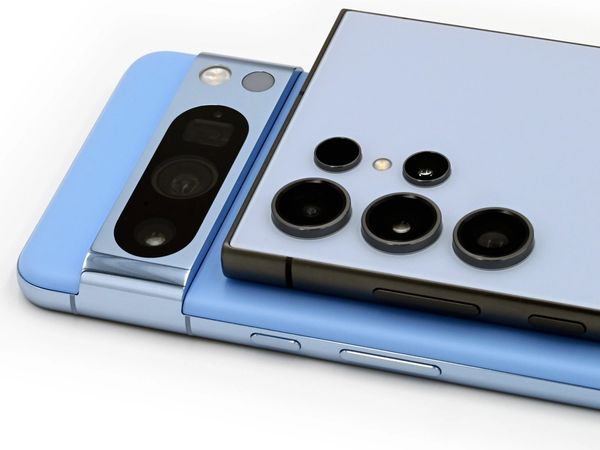
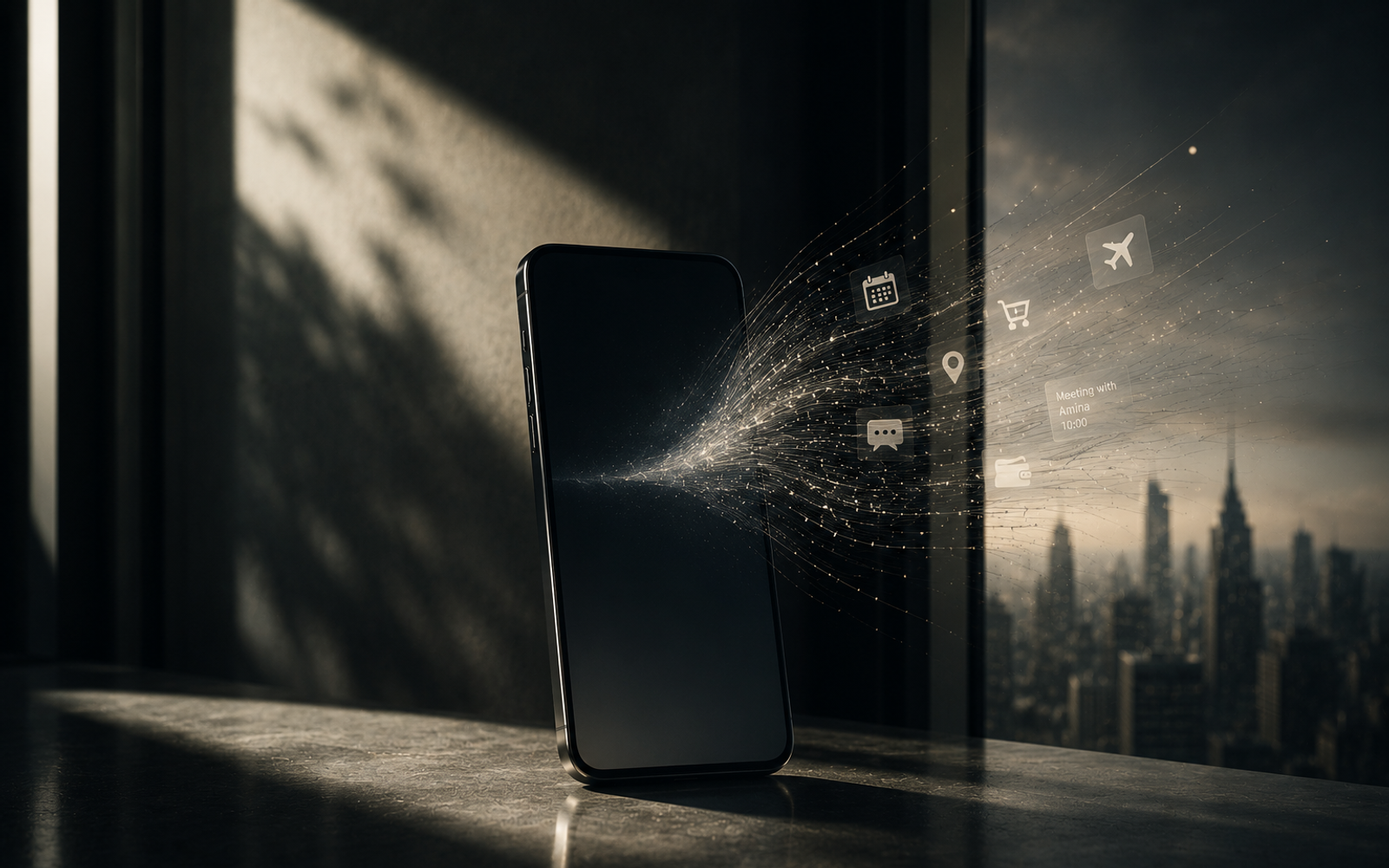
Pick up a flagship mobile device in mid-2026 and the primary operational shift is structural: rather than operating as a passive grid of isolated application launchers waiting for tactile input, the operating system functions as a predictive runtime. The system anticipates intent, prepares contextual actions, and orchestrates cross-application workflows before explicit user commands are dispatched. This transition from passive command-line-style tactile invocation to continuous predictive agency represents the most significant architectural evolution in personal computing since the advent of multi-touch capacitive glass, unfolding across hardware hubs from Shenzhen and Seoul to Silicon Valley.
For years the smartphone industry sold us better cameras, brighter screens, faster chips. These were improvements you could hold. The 2026 upgrade is harder to photograph. It lives in the operating system's deepest layers, in the neural processing units that now sit beside every CPU core, in the permissions you grant once and never think about again. Your phone is no longer a pocket computer. It's a pocket employee.
The Quiet Death of the Chatbot
Here's what didn't happen. Apple Intelligence did not save the iPhone 16. The heavily marketed Siri revamp with on-screen awareness and cross-app actions, the main reason Apple gave anyone to upgrade, failed to deliver. According to industry analysis and user feedback circulating through early 2026, the promised capabilities simply didn't materialize at scale. Siri still misunderstood, still dropped context, still asked you to unlock your phone first.
The lesson landed hard across the industry: bolting a language model onto an existing operating system is not enough. The model needs to be native. It needs to live in the silicon.
By mid-2026 the market has course-corrected. OpenAI is reportedly teaming up with Qualcomm and MediaTek to build AI-first smartphone chips, with production aimed at 2028 according to Capacity. That's the long play. The short play, already shipping, is a new class of on-device agentic AI that doesn't need the cloud for every inference.
Alipay's "A Bao" and the Super App Rewrite
On June 16, 2026, Alipay launched what it calls its AI version, a full-stack integration named "A Bao" that transforms China's billion-user super app into something closer to a personal operating system. According to Ant Group's announcement, the AI agent can order food, manage investments, book travel, and handle customer service disputes without the user jumping between menus. You speak a sentence. The app executes a workflow.
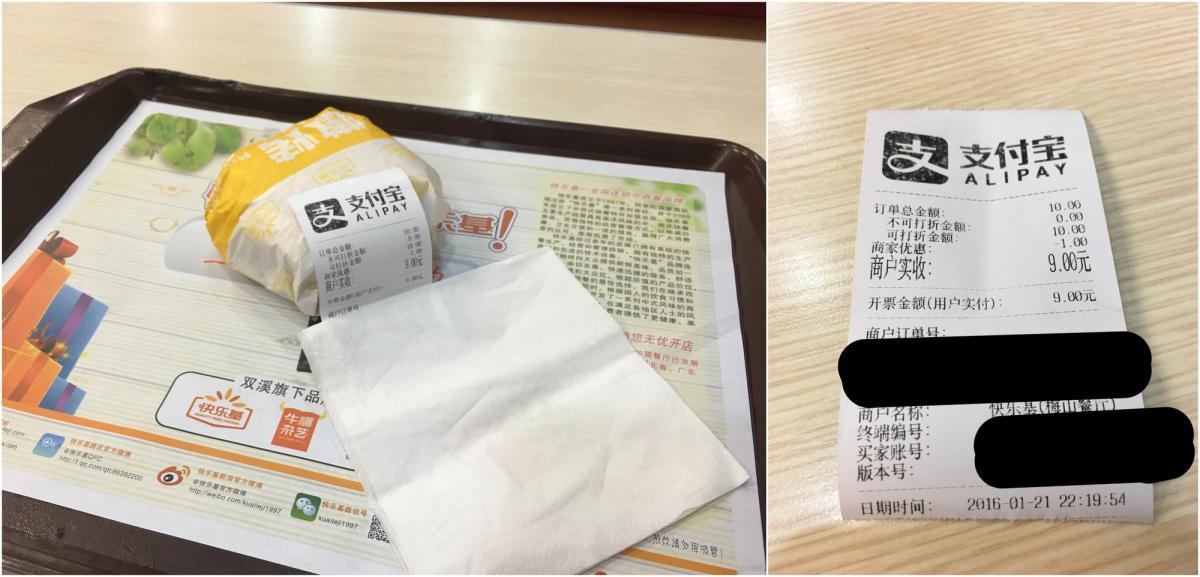
A Baos underlying architecture matters more than the feature list. Ant Group designed it as an agentic layer sitting on top of the existing Alipay ecosystem, meaning it can call on the apps internal services the same way a human would but at machine speed. It does not redo the interface. It bypasses the interface entirely.
That is the quiet terror hiding inside every 2026 smartphone upgrade. The interface is becoming optional.
The Samsung Bet: Bixby Learns to Listen Again
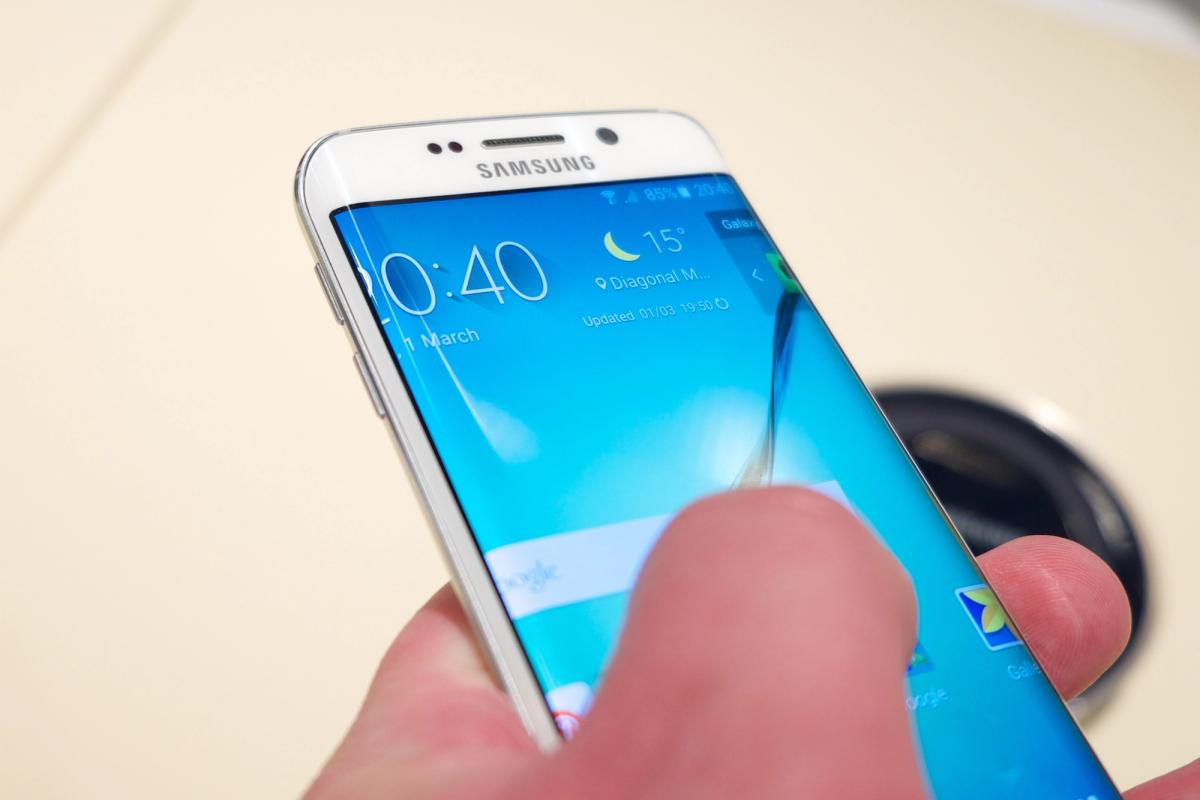
Samsung, which spent years watching Bixby become a punchline, has repositioned its assistant as a device-native agent with the One UI 8.5 update rolled out in June 2026. According to Samsung's Global Newsroom, the new Bixby is a conversational device agent designed for intuitive interactions with Galaxy hardware. It can navigate settings, troubleshoot problems, and control smart home devices using natural language. Not "Hey Bixby, set a timer." But "Hey Bixby, why is the camera blurry in low light?" and getting a diagnostic response.
Samsung's approach is telling. Instead of competing on general knowledge with Google Gemini or ChatGPT, Bixby is being trained on device-specific behavior. It knows the hardware because it lives in the hardware. This is the same logic that drives Huawei's HarmonyOS 7 play.
HarmonyOS 7 and the China AI Corridor
Huawei's HarmonyOS 7, unveiled in beta at its developer conference earlier this year, features AI agents designed to execute tasks across the companys ecosystem of phones, tablets, and laptops. According to Huawei Central, the company is focusing on making agents work seamlessly across devices, using its in-house Kirin 5G processors to keep inference on device. By Q1 2026, HarmonyOS held 19% of China's smartphone OS market, narrowing Apple's share. The timing matters. Huawei is filling the AI gap that Apple left open in China, where Apple Intelligence features remain limited due to regulatory constraints around cloud based AI inference.
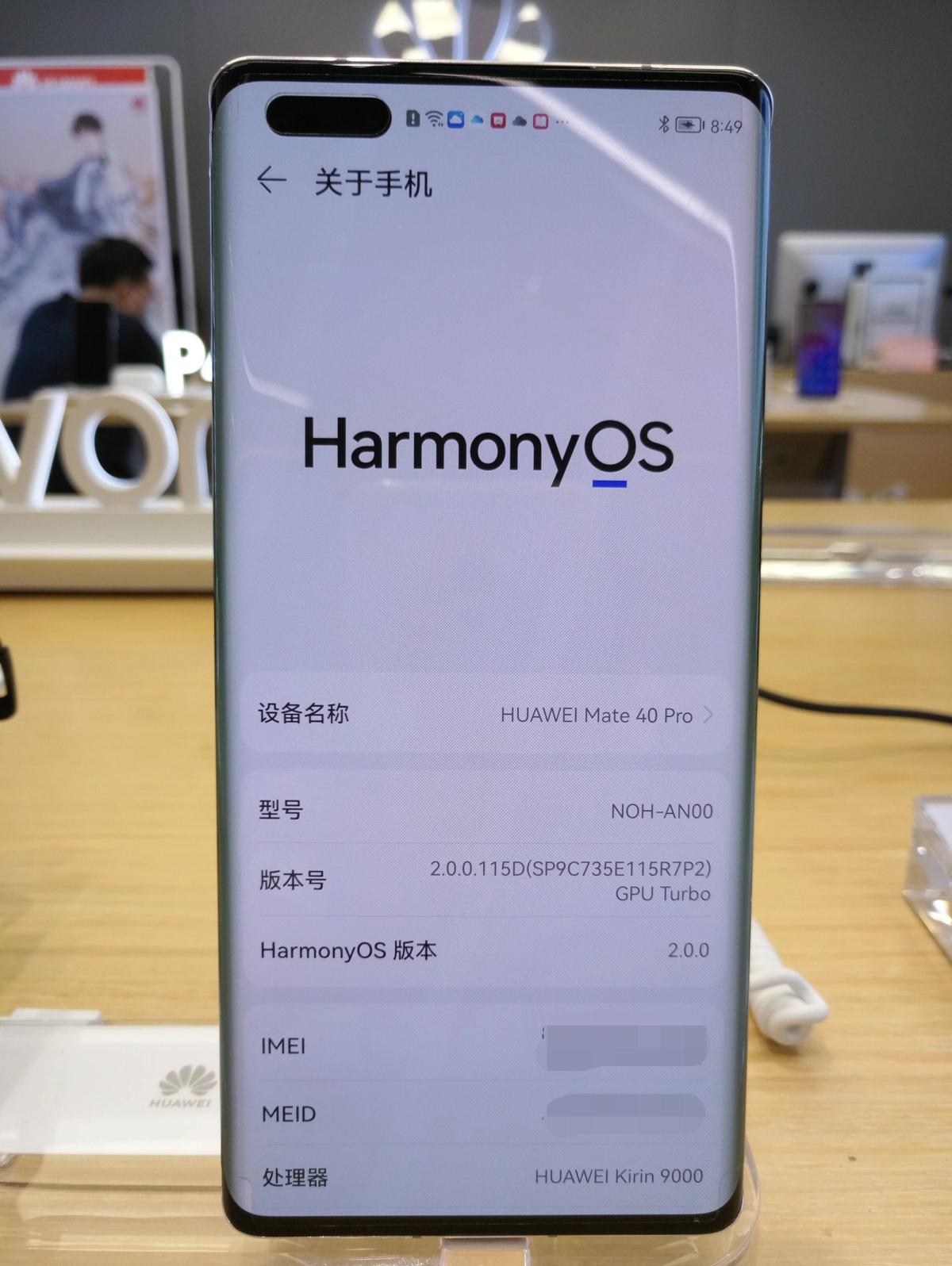
What happens in the Chinese mobile ecosystem does not remain confined to domestic platforms. The agentic UI patterns that Alipay, Huawei, and domestic hardware OEMs are refining in Shanghai and Shenzhen inevitably shape consumer operating systems worldwide, as global silicon providers adapt their neural acceleration toolchains to support similar ambient workflows.
The Agentic Travel Breakthrough
March 2026 may be remembered as the month agentic travel got real. According to OAG, a travel data platform, three separate announcements in that month signaled that AI agents had crossed from concept deck to production. Airlines, hotel chains, and booking platforms began deploying agents that handle the full lifecycle of a trip: booking, rescheduling, cancellations, expense reporting. No chat bubbles. No form fills. The user says "I need to get to Kigali next Tuesday and come back Thursday" and the agent handles the rest.
IDC projects that AI investments in travel and hospitality will increase by 65% in 2026, driven by agentic workflows that reduce the friction in booking and customer service. The travel industry, with its complex multi step booking processes and high volume of routine inquiries, is the ideal proving ground for agents that need to earn user trust before they graduate to managing your bank account.
The Silicon Divide: Neural TOPS and Thermal Envelopes
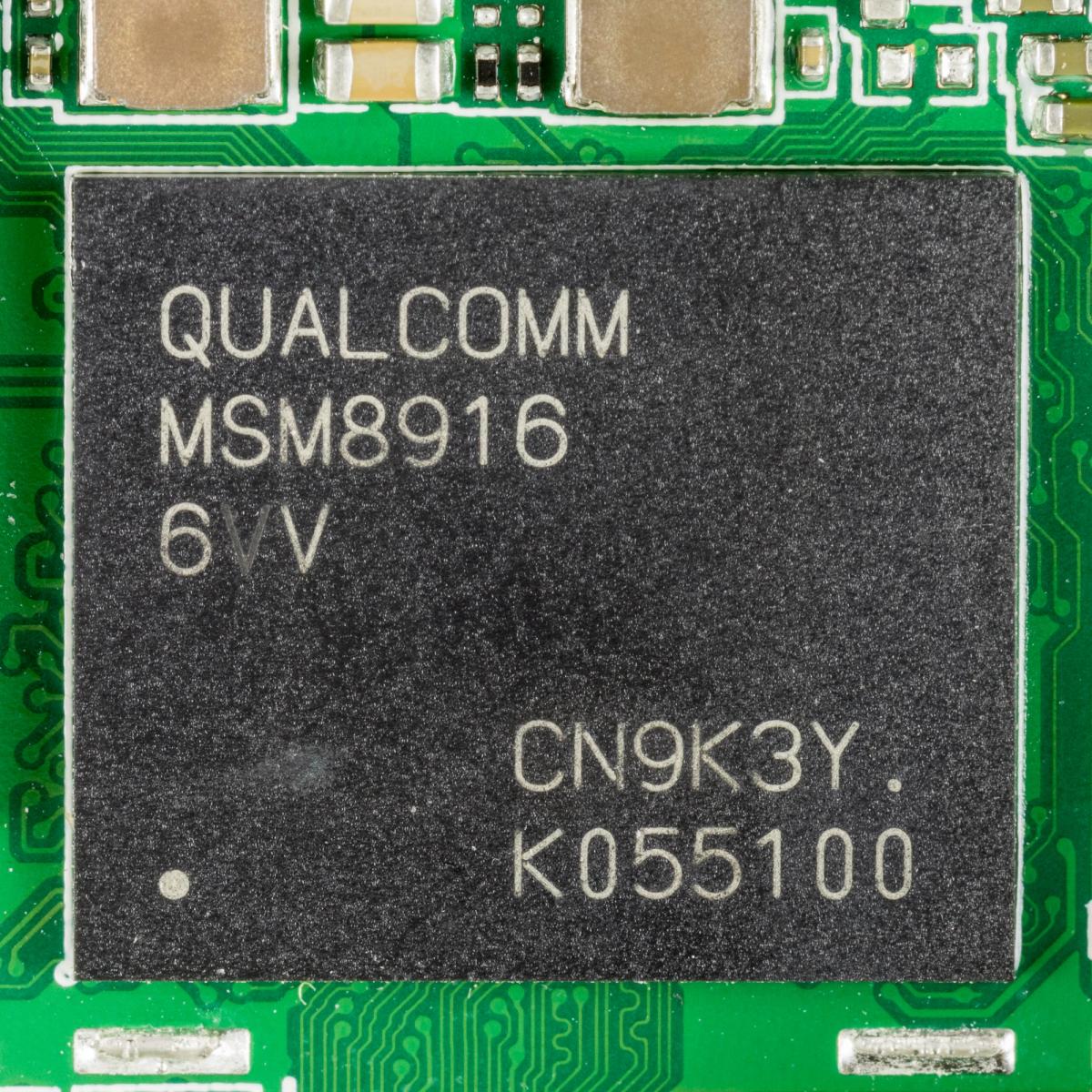
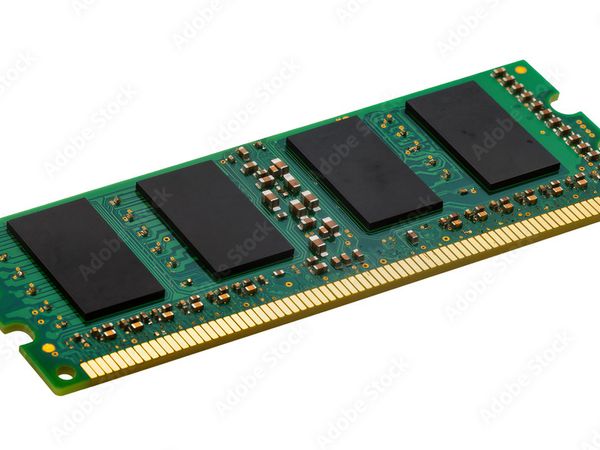
The operational feasibility of predictive operating systems depends entirely on mobile silicon constraints. To anticipate user needs without perceptible latency or battery drain, devices require dedicated neural processing units capable of sustained integer quantization at 40 to 50 TOPS within a strict 3-watt to 5-watt thermal envelope. Flagship silicon platforms like Qualcomm's Snapdragon 8 series, MediaTek's Dimensity 9000 tier, and Apple's A-series provide the hardware acceleration required to run continuous background sensor fusion and localized SLMs without degrading thermal performance.
For devices lacking dedicated high-throughput NPUs, the agentic paradigm fractures. Offloading continuous contextual inference to cloud infrastructure introduces a minimum 200-millisecond round-trip network latency, rendering real-time UI anticipation jarring rather than fluid. Furthermore, streaming personal telemetry to remote servers invalidates consumer privacy guarantees, creating an architectural divide where true zero-latency proactive agency is restricted to hardware with local neural execution units.
- Unified Memory Bandwidth: Minimum transfer speeds of 60 GB/s to feed token weights to the NPU without stalling application frame rates.
- Asymmetric Sensor Polling: Low-power always-on coprocessors sampling accelerometer, location, and calendar states at sub-milliamp drain.
- Hardware Secure Enclave Isolation: Zero-knowledge vector embeddings generated and stored entirely within tamper-resistant silicon partitions.
The Technical Constraint Nobody Talks About
For all the excitement around agents, there's a mechanical problem that keeps engineers up at night: latency budgets. An agent that takes five seconds to respond is not an agent. It's a burden. The user will revert to tapping icons before the agent finishes its first sentence.
The solution, pursued by Qualcomm, MediaTek, and Huawei's HiSilicon division, is to move inference closer to the sensor. The neural processing unit in a 2026 flagship phone can run small language models locally with response times under 100 milliseconds. But small models have limited reasoning capability. Big models need the cloud. The cloud adds round trips.
The research consensus is shifting toward hybrid architectures that split the workload: simple tasks handled on device, complex multi step reasoning routed to a cloud agent. The phone decides where the inference happens based on the request's complexity, the network condition, and the battery level. This is the quiet migration of data that most users will never notice, but it mirrors a broader shift happening in enterprise infrastructure. As NovaRift reported in "The Quiet Migration of Data Away From Big Cloud," compute is moving toward the edge, not away from it.
What the Agent Actually Sees
The new Bixby, Alipay's A Bao, and Huawei's HarmonyOS agents share a technical architecture worth understanding. They use what researchers call device grounding, a process where the AI model builds a real time map of the phone's state: which apps are open, what the camera sees, where the user's attention is focused, the permissions available, the battery remaining. This map updates continuously, not on request.
When you ask the agent a question, it doesn't parse your text in isolation. It parses your text in context of your device state. It knows you just opened Messages. It knows the last three messages were about a meeting tomorrow. It knows your calendar has a conflict. It offers to reschedule before you ask.
This is the leap from 2025 to 2026. Last year's AI assistants answered questions. This year's agents solve situations.
The Unresolved Tension
A lingering tension remains, one that no hardware roadmap has fully resolved. Agentic AI requires permissions that feel invasive. To anticipate what you need, the phone needs to watch what you do. To book a flight, it needs access to your calendar, your wallet, your location history, your email confirmations. The device grounding model that makes agents useful is the same model that makes privacy advocates nervous.
Samsung's approach, keeping inference on device and training Bixby on hardware behavior rather than personal data, is one answer. Ant Group's approach, processing everything inside Alipay's walled garden and never sharing across services, is another. Neither is complete. The industry is still searching for a permission model that feels natural rather than coercive.
The next frontier may not be better AI. It may be better trust.
Comments (0)
No comments yet. Be the first to share your thoughts.