Europe Replaced Passport Stamps With Biometrics While ETIAS Waits
Ink passport stamps across Schengen airports are already gone under EES biometric kiosks. Here is how EES works at arrival now while ETIAS permits sit parked until 2027.

Open a frequent traveler's passport returning from Paris, Madrid, or Frankfurt right now, and those classic blue ink entry stamps have vanished for good. Across twenty-nine European nations, EES (the Entry/Exit System) moved out of phased autumn trials starting October 12, 2025 straight into mandatory border operation on April 10, 2026.
Confusion persists across travel forums anyway because passengers constantly blend two separate European Union border databases together: EES, which already sits inside arrival halls capturing fingerprints and facial scans today, and ETIAS, the online pre-departure travel authorization still delayed onto the 2027 schedule. Knowing which hurdle hits you at arrival gates now saves airport stress and guards your card from scam websites charging bogus pre-clearance fees.
How EES Works at Airports, Ferries, and Eurostar Terminals
Built strictly for non-EU nationals entering for short stays up to 90 days within any rolling 180-day window, the official EU Entry/Exit System portal trades ink stamps for electronic entry/exit timestamps. Both visa-required travelers and visa-exempt passport holders arriving from the United States, United Kingdom, Canada, Australia, Japan, and dozens of other countries clear EES checks across 29 European nations: all EU states except Cyprus and Ireland, joined by non-EU Schengen partners Iceland, Liechtenstein, Norway, and Switzerland.
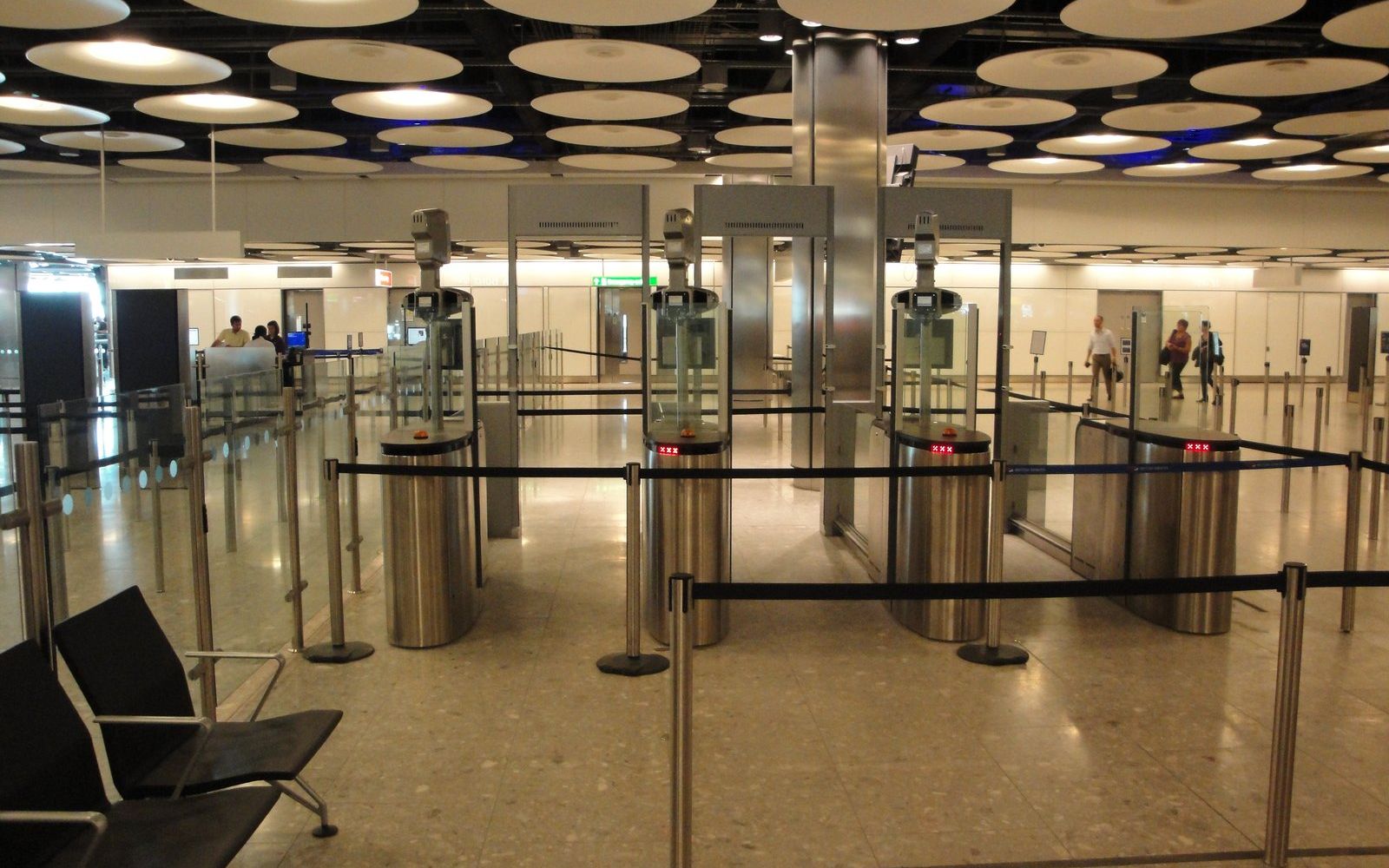
On your very first arrival under active EES, crossing passport control runs noticeably slower than legacy manual stamp lanes. Travelers walk to self-service biometric kiosks or officer booths, scan passport RFID chips, register four right-hand fingerprints (unless already holding a biometric Schengen visa), and face a live verification camera. Border servers store that encrypted biometric template alongside exact arrival dates, timestamps, and entry checkpoints.
Why did Brussels build a multi-billion-euro centralized database simply to kill rubber ink pads? Under physical stamps, border agents flipping through crowded passport pages struggled daily to detect overstayers hiding faded stamps behind overlapping visa stickers. Electronic databases calculate cumulative 90/180-day allowances automatically down to the calendar day, alerting officers instantly at exit kiosks if a non-resident overstayed by even forty-eight hours. Repeat visits clear noticeably faster once your initial biometric dossier sits active on European servers, trimming subsequent border crossings back toward quick facial verification scans until passport documents expire or officers conduct targeted manual checks.
Note one practical family exception inside European rules: children under age twelve skip fingerprint scanning at self-service kiosks, though facial photography and automated digital arrival logging still execute cleanly across all non-EU minor passports. Reading terminal lane signage carefully on disembarkation prevents parents from waiting fifteen minutes inside adult-only self-scan queues that reject child biometrics at step two.
Why ETIAS Slipped Into 2027 (and Scam Sites to Avoid Now)
Pause before paying any "urgent European visa waiver" agency popping up in flight confirmation searches. For years, travel headlines promised British, American, and Canadian flyers would complete online background forms called ETIAS (European Travel Information and Authorisation System) before airport bag drop.
Because national police forces and aviation authorities prioritized stabilizing EES hardware and land-border queues first, Brussels pushed ETIAS out of 2026 altogether. Confirming the timeline in Navan's travel compliance update and on the official EU ETIAS information hub, ETIAS deployment now shifts into 2027, paired with months of formal public rollout announcements and a phased grace window before airline boarding systems deny unlinked passports.
Never pay third-party sites offering ETIAS applications right now. Official European Union portals explicitly confirm zero ETIAS forms or fee collections are live today, meaning websites charging $49 or €80 for "early pre-screening" sell worthless email alerts or harvest personal passport scans.
When ETIAS eventually activates next year, it covers 30 European nations (adding Cyprus beside the 29 EES countries) and functions almost identically to the US ESTA or UK ETA: a brief pre-trip security form bound electronically to your passport number before boarding. Until formal EU launch dates open, visa-exempt travelers board flights with valid passports alone, provided stay lengths respect strict limits on short visits versus multi-month stays tracked across narrower European digital nomad visa checks and tighter European long-stay residency rules.
Even well-oiled biometric kiosks jam briefly when three transatlantic widebodies arrive simultaneously in Paris, Amsterdam, or Lisbon. Verifying that your passport carries at least three months' remaining validity past planned Schengen departure dates and was issued less than ten years prior stops immediate scanner rejections. Giving yourself ninety minutes to two hours on initial first-entry flight connections prevents blown onward rail tickets, while remembering that Eurostar passengers leaving London St Pancras and ferry cars departing Dover clear juxtaposed EES kiosks on UK territory before departure keeps peak holiday queues predictable rather than stressful. Keep reading glasses, contact lenses, or dry skin moisturizer handy before stepping up to glass fingerprint platens too, since cold winter air and faint smudges routinely stall automated optical capture until an officer steps over to reset the kiosk lane.
Under European Union data protection schedules, biometric templates captured inside EES do not sit indefinitely in border servers: records for compliant short-stay travelers expire cleanly after three years without re-entry or following permitted stays under strict retention schedules, while overstay alerts trigger manual review flags across future crossings. Rather than hunting down dusty passport ink in airport lounges, seasoned travelers save electronic flight receipts and lodging invoices offline inside travel folders just in case a regional land-border reader ever mislogs an exit timestamp during early system glitches.
Practical 90/180 Rules for Remote Workers, Retirees, and Cyprus Trips
Because border databases no longer rely on smudged blue ink buried inside packed passport corners, tracking the 90/180-day rolling counter requires strict calendar accuracy before booking seasonal stays. Under Schengen short-stay law, every single calendar day spent partially or wholly inside the 29-country zone counts against your 90-day allowance across any backward-looking 180-day window. Touching down in Rome at 23:20 on Friday counts Friday as Day 1, and leaving Madrid at 00:45 Tuesday counts Tuesday as your final used day.
Notice also why Cyprus and Ireland sit outside the EES database for distinct legal reasons. Ireland remains outside Schengen alongside its Common Travel Area framework with the United Kingdom, meaning British passport holders continue commuting into Dublin under pre-existing arrangements without EES scans. Cyprus stays outside Schengen temporarily while pursuing technical integration, running separate national entry clocks from mainland Europe, making Cyprus a lawful base where non-EU remote travelers avoid burning mainland Schengen days during multi-month Mediterranean itineraries while waiting calmly for ETIAS pre-screening rules to formalize across all thirty nations in 2027. Taking two minutes before winter or spring departures to verify remaining days through an official Schengen stay calculator ensures automated gates wave you straight onto baggage claim rather than pulling itineraries aside for overstay reviews.
Comments (0)
No comments yet. Be the first to share your thoughts.