Sunrise and Shaft Team Up for Fool Night
Kasumi Yasuda's bleak sci-fi thriller hits Netflix worldwide on November 26, 2026, uniting two studios that rarely work in the same idiom: Sunrise and Shaft.

When sunless gray clouds seal off Earth for a century in Fool Night, nature does not bounce back with inspiring resilience. Plants rot away first, oxygen thins out, and survival stops being a biological problem and turns into a municipal budget item. On November 26, 2026, Netflix releases the entire anime adaptation of Kasumi Yasuda's bleak seinen manga simultaneously, bringing one of modern Japanese comics' strangest sci-fi premises to global streaming queues.
Most dystopian anime spend half a season teaching viewers the rules of a made-up faction or glowing sword. Fool Night keeps its hook plain: if forests no longer generate enough breathable air to keep cities alive, which citizens get desperate enough to become the forest?
How Transfloration Works in Fool Night
Set roughly a hundred years after thick overcast clouds blot out direct sunlight, society survives inside cold, dimly lit cities where every inhale carries the cost of atmospheric scarcity. Agriculture shrinks, grocery prices climb, and civic planners scramble for biological output that can function without clear skies. Researchers eventually perfect an invasive workaround called transfloration. Through surgery and engineered seeding, dying or impoverished volunteers allow clinics to convert their living bodies into oxygen-producing organisms known as Spirit Flowers, or Spiriflors.
In return, the state pays the donor's household enough money to clear debt inside a stagnant economy. Struggling parents weigh the payout; terminally ill patients trade their remaining months so relatives can afford heating and groceries. Every decorative bloom rooted inside public courtyards or dim municipal lobbies was once an ordinary citizen who signed consent paperwork under sustained financial pressure.
Toshiro Kamiya, voiced by Koki Uchiyama, makes that trade not as an idealistic martyr, but as an exhausted young man cornered by poverty. Before the botanical transformation completes, he keeps an uncanny sensitivity to the fading mental murmurs of other Spiriflors nearby. Drawn into the orbit of physician Yomiko Horai (Minako Kotobuki), investigator Akira Yatsuka (Junya Enoki), Saeko Kanaeno (Aya Endo), and Jin Hiragishi (Kiyomitsu Mizuuchi), Kamiya uncovers how clinics, municipal ledgers, and public memorials depend on citizens who can no longer object once leaves seal their throats.
Bureaucratic Dread Instead of Fantasy Villains
The dread lands because Yasuda skips theatrical villains cackling inside underground bunkers. Nothing runs on sorcery. Everything operates through notarized consent forms, polite clinic waiting rooms, family guilt, and ordinary wage pressure. Just as audiences showed when female and adult fandom helped push modern anime past niche boundaries, mature viewers rally quickly around psychological thrillers whose fictional politics brush uncomfortably close to real healthcare and economic insecurity.
That moral banality makes transfloration feel closer to predatory insurance underwriting than fantasy gore. State pamphlets frame the procedure as civic heroism and dignified legacy planning, encouraging neighbors to thank donor families for keeping district air breathable while isolating dissenting patients whose minds refuse to go numb during the transition window. Shogakukan's biweekly Big Comic Superior built its reputation on adult psychological dramas unafraid of gray moral ledgers, and Fool Night leans straight into that heritage through hospital consent forms, pension shortfalls, and hushed hallway talk between tired doctors and broke twenty-somethings.
Sunrise Meets Shaft on One Production Line
On paper, putting Sunrise and Shaft on the same production line sounds like asking two filmmakers with opposite instincts to share one storyboard desk. Adapting Yasuda's manga marks the first joint television production between the two veteran studios, with Atsushi Yukawa directing, Jin Tanaka leading series composition, and Robert Sato handling character design.
Sunrise built its reputation over decades on tactile industrial grit, heavy mechanical weight, and grounded urban realism. When characters inside a classic Sunrise series climb soaked concrete stairs under dim sodium streetlights, the physical world carries unmistakable gravity. Shaft built its cult following on almost the reverse aesthetic: sharp architectural jump cuts, surreal neck tilts, stark color planes, and theatrical close-ups that turn an ordinary interrogation room into claustrophobic dread.
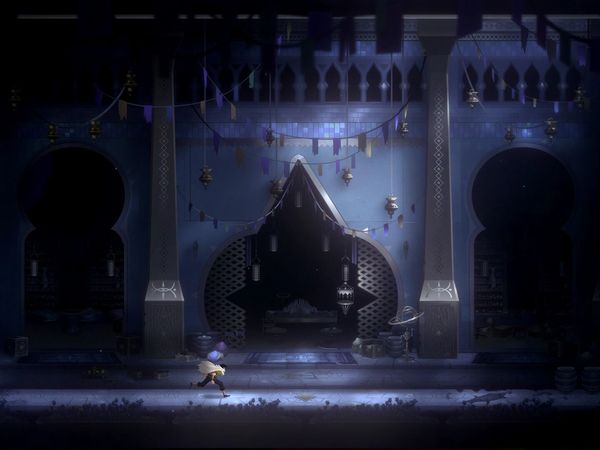
For Fool Night, that creative collision makes rare dramatic sense. A thriller about human nerves hardening into woody roots while clinical technicians check clipboards outside frosted glass needs both damp civic texture and unsettling interior disorientation. Early promotional cuts spotlighted in Anime Corner's trailer and staff breakdown catch that balance directly, placing overcast slate concrete beside vivid botanical tendrils breaking through clinic tiles.
Music, Pacing, and Muted Concrete
Pre-release footage emphasizes muted slate concrete contrasted sharply against bruised green sprouts breaking through tiled floors. Every visual choice slows down to match an investigative procedural where surviving witnesses cannot blink or speak aloud.
Audio direction stays disciplined alongside the visuals. Instead of overblown orchestral battle cues, Tatsuya Kato composes a taut, low-pulse score framed by Tempalay's opening theme "Shake! spit out" and Nowlu's closing track "Iki" (meaning Breath), keeping sensory focus locked onto chest tension, lungs, and silence.
Why Netflix's Full-Season Drop Cuts Both Ways
Releasing every episode simultaneously on November 26 fits a dense investigative thriller, though single-day streaming drops bring commercial trade-offs. Weekly television broadcasts build cumulative community momentum across three months as cliffhangers spark seven days of frame-by-frame theorizing. Full-season drops depend on immediate curiosity catching word-of-mouth fire inside their opening weekend before holiday distraction buries algorithmic homepages.
Still, as Animation World Network noted when Netflix unveiled the main trailer, releasing Fool Night globally at once avoids frustrating regional delays and lets viewers follow Toshiro's unraveling case uninterrupted across subtitles or dubs. That distribution strategy intersects straight with the tight studio economics squeezing modern anime houses: adult seinen dramas rarely sell collectible plastic figurines or theme-park merchandise, so upfront global streaming financing remains one of the few ways studios adapt weird, slow-burning manga faithfully without slashing animation quality.
Newcomers who have never opened Yasuda's manga need zero homework before pressing play. Viewers who liked Pluto, Heavenly Delusion, or Parasyte for their grounded forensic tension will recognize the pitch right away: no neat speeches where rebels magically clear the sky by episode twelve, just two veteran animation studios turning stale air and hospital paperwork into slow-burning suspense.
Comments (0)
No comments yet. Be the first to share your thoughts.