Streetwear’s Tech Glow-Up Is Just Getting Started
Gen Z isn’t just wearing clothes, they’re coding them, and the old guard can’t keep up.

For a decade, the commercial engine of streetwear ran on artificial scarcity and screen-printed graphic cotton. A basic heavyweight hoodie bearing an ironic logo or a box-shaped graphic was produced in limited batches, dropped at midnight, and flipped on secondary marketplaces for triple its retail value. The playbook was predictable, high-margin, and entirely dependent on synthetic consumer desire.
In 2026, that era of low-effort hype is conclusively dead. Consumers have grown indifferent to repetitive graphic tee drops, and the secondary resale market has experienced a brutal pricing correction. Taking its place is a technical renaissance that prioritizes material performance, robotic manufacturing, and cryptographic provenance over disposable branding.
Urban streetwear is returning to its functional countercultural roots. The subculture that originated around weather-resistant skate decks and military surplus utility is now driving the most ambitious material engineering in global fashion.

Why the First Generation of Smart Clothes Failed
The original wave of connected clothing in the mid-2010s was defined by awkward compromises. Tech conglomerates partnered with heritage denim brands to launch smart jackets with bulky Bluetooth cuffs, battery dongles that required nightly USB charging, and conductive touch sensors embedded in cuffs.
Those products universally failed because they treated electronics as external accessories rather than textile infrastructure. An expensive technical shell that cannot survive a standard gentle laundry cycle or whose internal wiring frays after three months of daily wear is a novelty gadget, not functional apparel.
Hardware fails in fashion whenever it demands behavioral compromise from the wearer. Modern technical streetwear succeeds because the functional utility is completely woven into the material itself, requiring no plugs, external chargers, or visible indicators.
Additive Manufacturing Kills the Deadstock Warehouse
The most radical technological shift in urban footwear is not happening on the blockchain. It is happening inside robotic printing cells that eliminate molds, adhesives, and overseas container shipping entirely.
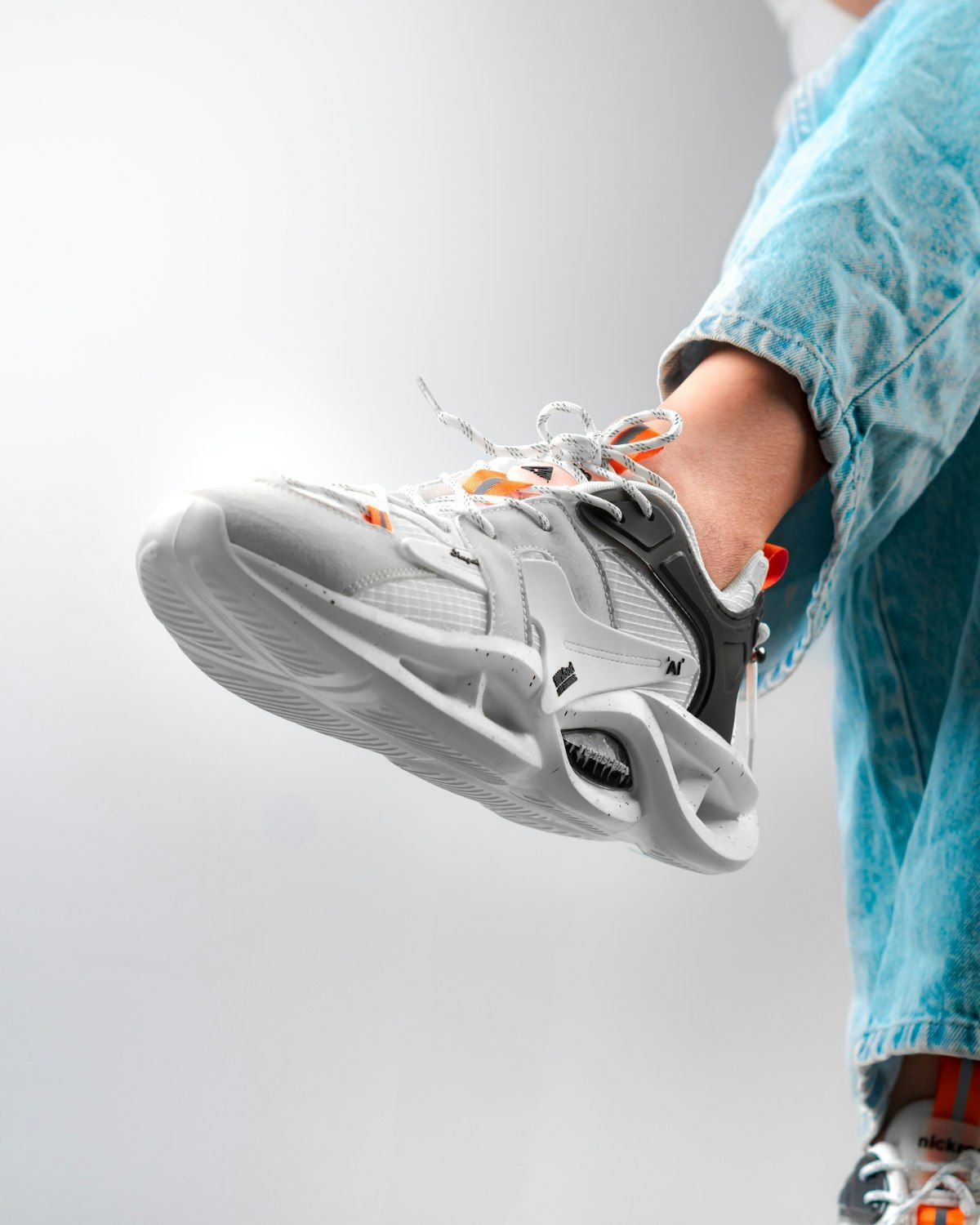
Companies like Zellerfeld have transitioned 3D-printed footwear from high-fashion museum prototypes into scalable retail platforms. By utilizing single-material thermoplastic polyurethane, these automated micro-factories print custom-fitted sneakers directly from a digital CAD file in less than twenty-four hours.
This on-demand framework solves the central financial liability of traditional footwear manufacturing: tooling overhead. A heritage footwear brand typically spends upwards of 100,000 dollars on steel tooling molds for every single sole size before selling a single pair.
When independent designers eliminate mold costs, the barrier to launching a competitive sneaker brand collapses. Boutique creators can test radical, sculptural silhouettes on digital feeds, collect pre-orders, and print only the exact number of pairs purchased, eliminating deadstock warehouses entirely.
Cryptographic Provenance and the EU Passport Mandate
Streetwear has always been plagued by counterfeit goods, sustaining a massive secondary authentication industry. That entire verification layer is currently being rewritten by European regulatory pressure.
The European Union's Ecodesign for Sustainable Products Regulation mandates that apparel sold in member states must incorporate a machine-readable Digital Product Passport. Rather than relying on fragile paper QR tags that can be removed or duplicated, forward-thinking streetwear design studios are embedding washable, cryptographic Near Field Communication micro-chips directly into garment hems.
A smartphone tap against a sleeve seam instantly verifies the exact yarn origin, chemical dye compliance, production date, and verified ownership history of the piece. This regulatory requirement has transformed secondary markets: resale platforms now actively penalize unchipped garments because manual authentication cannot match cryptographic certainty.
The Discord Design Studios Are Winning the Cultural Margin
The creative directors dictating urban fashion in 2026 do not work out of sprawling corporate headquarters. They are digital patternmakers running private Discord servers and rendering collections in software like CLO3D and Blender before a single millimeter of fabric is cut.
These independent creators distribute production files directly to localized micro-factories or offer downloadable patterns for community customization. The concept of an untouchable, top-down luxury brand dictating seasonal drops has been replaced by decentralized creative communities.
Streetwear’s technical evolution is fundamentally an argument about value. When a garment offers custom anatomical fit, zero-waste recyclability, and cryptographic authenticity, it earns its price tag through substance rather than marketing hype. Urban fashion has stopped pretending a printed logo equals luxury; it has finally decided to build clothing worthy of the future.
Comments (0)
No comments yet. Be the first to share your thoughts.