Ohas and the £295 Scan: Why the Test Isn't the Product
Ohas opens in January at £295 a scan. The test is the cheap part, and the clinic's own financial math says so.

The email arrives on a Tuesday morning with a PDF attached: fifty-four blood markers, three flagged amber, one hovering at the edge of range. The layout is excellent. Every value sits against a reference interval, and someone has colour-coded the ones that moved. What the document doesn't contain is a person to call, a date to review it, or any indication of what happens next. That gap between a result and a decision is the space Ohas is being built to occupy.
- 1The scan is a data product: Ohas charges £295 for a 54-marker blood panel, body composition analysis and a specialist liver scan, which is detection rather than care.
- 2The economics point downstream: £1.5 million of clinic fit-out divided by £295 means roughly 5,100 assessments at full price just to gross back the build cost.
- 3Follow-up decides the value: until Ohas publishes treatment prices and monitoring terms, the worth of the assessment depends entirely on who owns the result afterwards.
What the £295 Scan Actually Contains
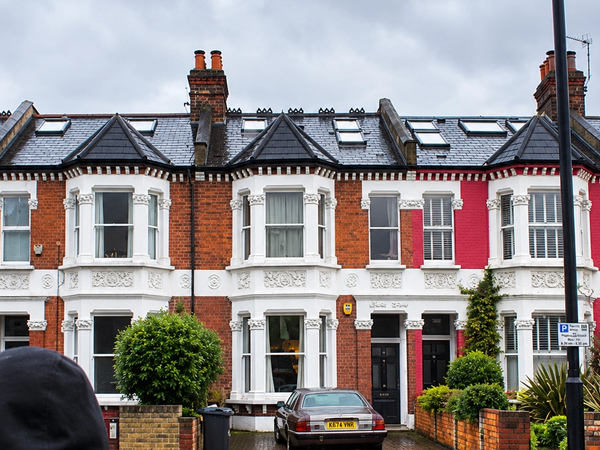
Ohas is a £1.5 million clinic opening in Westbourne Grove in January 2027, founded by Richard Chambers and Dr Luke Pratsides. Chambers built Get A Drip, the vitamin drip business he started in 2017 and which has administered more than 20,000 drips and booster shots from its clinics. Pratsides is a working NHS GP who became Get A Drip's chief medical officer in April 2026. The flagship product is the Ohas Health Scan at £295.
The scan bundles a medical history, blood tests across 54 markers, body composition analysis and a specialist liver scan. The liver component deserves attention because it's the least generic item on that list. Pratsides's Imperial training included gastroenterology and hepatology, and liver fat with early fibrosis is among the quietest features of metabolic disease. You can be lean, with normal blood pressure and a normal waistline, and still be carrying a liver that is slowly scarring. A clinic that leads with a liver scan is making a specific argument about what standard screening misses.
On price, £295 sits near the bottom of the UK private screening market, where basic checks start close to £170 and comprehensive packages run past £900. The NHS Health Check, by contrast, costs the health system roughly £179 per check according to a 2026 BMJ Open review of health check evidence. Ohas is charging a modest premium over the public programme for a far deeper panel. Entry-level pricing is how a new clinic builds a list.
The Math That Pushes Toward Treatment
A £1.5 million fit-out divided by £295 works out at roughly 5,100 assessments at full price to gross back the building, before a single salary, equipment lease or consumable is paid for. At twelve appointments a day, five days a week, that's about 85 weeks of a fully booked diary before the capex has been recovered. No clinic in west London runs at full utilisation from the first week, so the true figure is longer.
That math makes the £295 scan hard to run as a standalone business. Either the clinic sells volume at a thin margin, or the scan serves as the front door to something more expensive. Chambers's previous company is the useful comparison, because vitamin drips sell the idea of energy as something you top up when it runs low, which is a convenient mental model and a misleading one. Drips are also a repeat purchase rather than a one-time diagnostic, and repeat purchase is what the economics of a prevention clinic will almost certainly depend on too.
The details that would settle this haven't been published. Ohas hasn't announced which treatments it will offer, what they cost, or how ongoing monitoring is arranged and billed. Those three items decide whether the clinic is a diagnostic service with a treatment arm or a subscription funnel with a blood panel attached. A published £295 price sitting above a set of unpublished treatment prices is, until proven otherwise, a customer acquisition cost.
The Gap Between a Result and an Outcome
The published evidence on health checks is about what happens after the appointment, not the appointment itself. Reviews of the NHS Health Check programme have found attendance associated with meaningful reductions in cardiovascular risk, and analysis of Lambeth health data published in August 2026 linked the checks to earlier identification of disease. Cost-effectiveness estimates for the programme have landed near £3,000 per quality-adjusted life year, which is cheap by the standards of the health service.
None of that value sits in the blood draw. It sits in the statin prescribed, the blood pressure medication started, the referral actually made, the alcohol conversation that genuinely happened, and the repeat test booked for three months later. Remove the treatment and the follow-up and the same panel produces a tidy document and a mild sense of virtue. The test is a data collection event. Prevention is the series of decisions that follow it.
There's a second cost, which is overdiagnosis. Run 54 markers on a healthy 38-year-old and you will generate borderline values, because reference ranges are usually built to contain about 95% of a healthy population. Multiply that across dozens of tests and the probability of an amber flag approaches certainty. Borderline results produce retests, referrals and, more often than the sector admits, a low-grade anxiety that does its own damage. I've read enough of these reports to know the uncertainty they create is the expensive part, not the phlebotomy.
Questions to Ask Before Paying
Any private assessment worth the money has to answer three questions. Who reads the result, is that reading included in the price, and what happens if something is abnormal. For Ohas specifically, the second question is open, because the £295 covers the scan while the clinician review and any treatment sit inside a model whose costs haven't been disclosed. The third question matters more, since it determines whether the clinic hands you back to the NHS or keeps you.
Go Deeper
Content Farms: How Websites Turn Empty Words Into Millions (And What Google Does About Them)The handoff is where most private screening quietly fails. An NHS GP receiving a private panel often gets a PDF with no referral letter, no prior results to compare against, and a ten-minute appointment already scheduled to cover four other things. That's a capacity fact rather than a criticism of GPs. A clinic that designs for the handoff, with a written summary and a named clinician on the other end of it, is doing something meaningfully different from the screening market around it.
Pratsides's position cuts both ways. A working NHS GP understands precisely where the public system stops absorbing patients, which is useful for designing a service that fits around that edge. It also means the clinic knows where the gaps in public provision are most profitable to fill. Neither of those is a scandal, and both are worth understanding before treating a £295 scan as a neutral act of self-care.
The Part That Stays Unpriced
The uncomfortable feature of the prevention business is that the cheapest thing in it is the test. A panel of 54 markers costs a few hundred pounds, a liver scan a little more. The expensive part, the piece that actually shifts a cardiovascular risk profile over ten years, is the fifteen minutes where a clinician explains what the numbers mean and the twelve months of follow-up that keep you on the plan. Ohas has priced the first part and left the second part unannounced.
Before booking anything, write down two things: the name of the clinician who will read your results, and the date you will sit in front of them. If either line stays blank, the £295 buys a document and the liver scan becomes an illustration. The detection is now for sale in west London. The prevention still has no price on it, and that's the number that decides whether any of this works.
Comments (0)
No comments yet. Be the first to share your thoughts.