The $26.5 Billion Bet on AI That Powered the Market's Week
SK Hynix's record US listing and a semiconductor rally lifted the S&P 500 to a weekly gain, even as oil volatility tested market nerves.

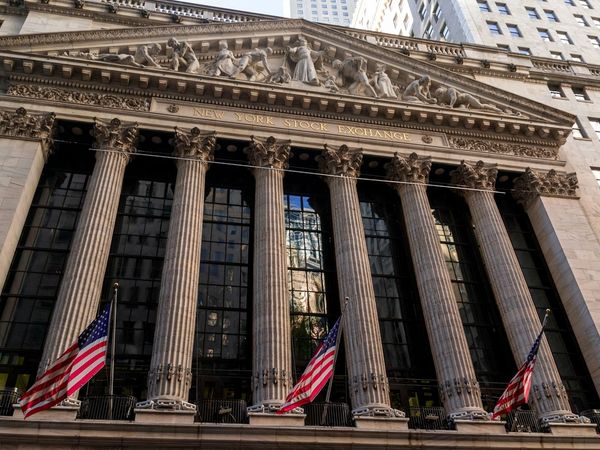
The S&P 500 closed Friday at 7,575.39, up 31.75 points or 0.4 percent, after a week that tested whether the market's appetite for AI-related names had reached its limit. It hadn't. The index notched a weekly gain above 1 percent, driven almost entirely by semiconductor stocks and a sharp drop in oil prices that relieved some of the inflationary pressure that had built through the spring.
The move was not uniform. The Dow Jones Industrial Average rose 149.60 points to 52,637.01, a gain of 0.3 percent, but still lost 0.5 percent on the week, snapping a four-week winning streak. The Nasdaq Composite climbed 74.72 points to 26,281.61, up 0.3 percent on the day and more than 1 percent for the week. The divergence tells a clear story: this was a tech-and-chips rally, not a broad risk-on rotation.
The SK Hynix Debut Changed the Conversation
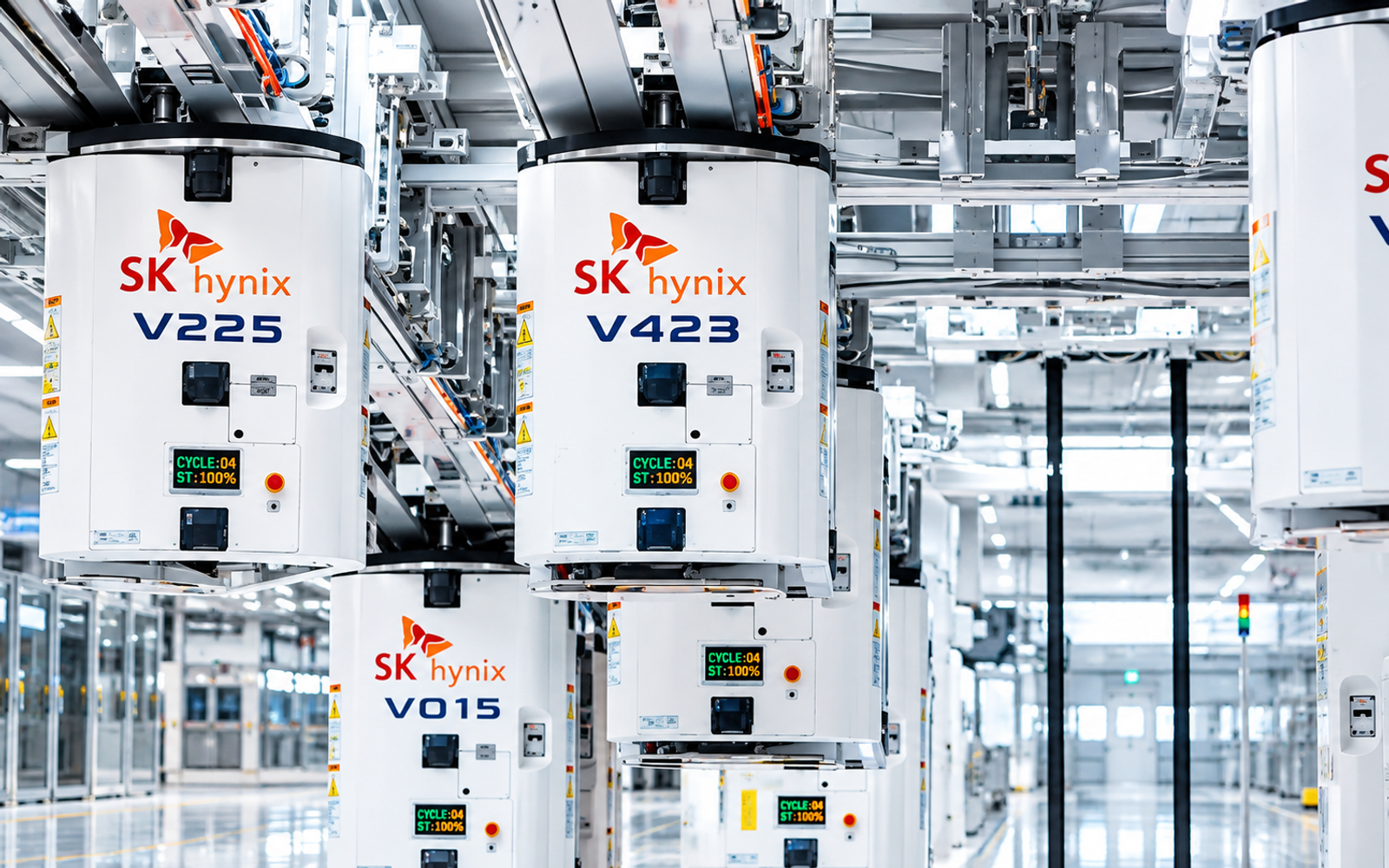
The defining event of Friday's session was the Nasdaq debut of SK Hynix, the South Korean memory chipmaker that raised $26.51 billion in the largest US share sale by a foreign company in history. The company priced its American Depositary Receipts at $149 each, then watched them open at $170, a 14 percent pop that signaled just how hungry US investors remain for direct exposure to the AI supply chain.
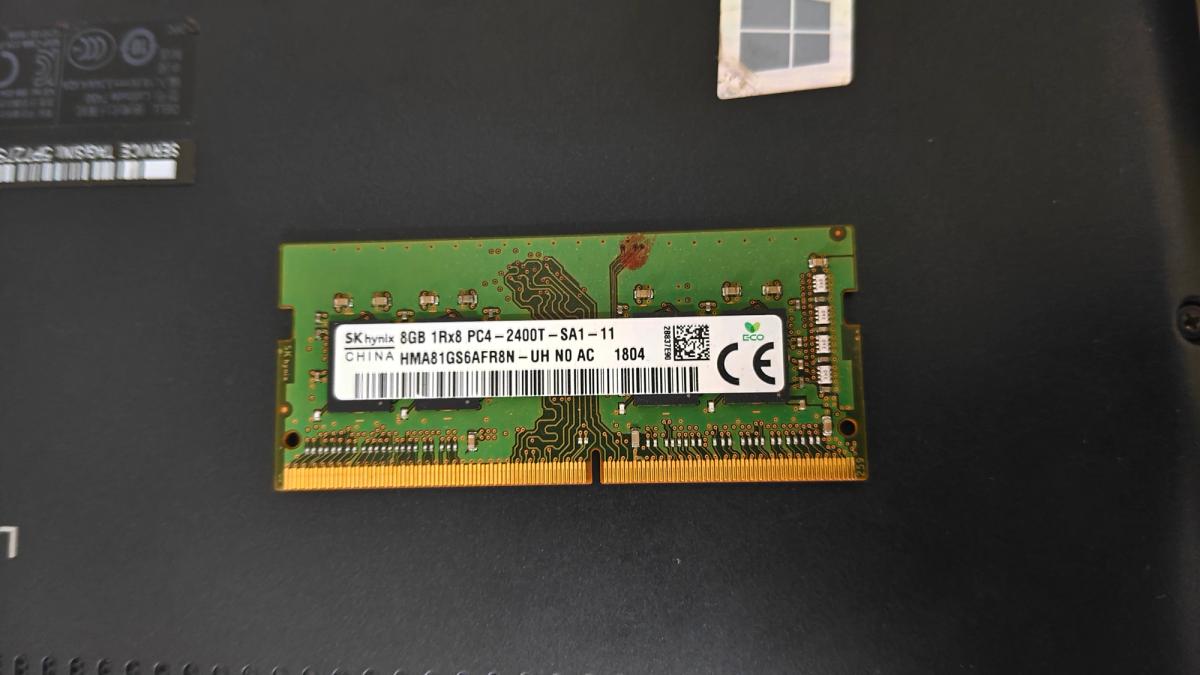
According to the Wall Street Journal, the listing was trimmed from an earlier target of $28-29 billion, but still represented a watershed moment for cross-border tech listings. SK Hynix is the dominant supplier of High Bandwidth Memory used in Nvidia's AI accelerators, and its decision to list in the US rather than Korea reflects a structural shift in where AI capital is being raised and deployed. The company's shares finished the session higher, validating the pricing even as chip stocks broadly swung through the week.
The Oil Drop That Changed the Math
Oil prices fell sharply on Friday, with Brent crude trading around $77-78 per barrel after touching higher levels earlier in the week. The decline came despite mounting attacks on tanker traffic in the Strait of Hormuz, where Iranian-linked hostilities have disrupted shipping lanes through most of 2026. A ceasefire framework signed in mid-June between the US and Iran had initially pushed prices lower, but sporadic attacks have kept the market volatile.
A New York Times report on July 11 noted that oil prices were set for more volatility after the latest Iranian attack, even as Friday's session saw traders focus on the demand-side story rather than supply disruptions. The logic was straightforward: lower oil prices mean lower input costs for transportation and manufacturing, which reduces pressure on the Federal Reserve to keep rates elevated. For a market that has been watching every inflation print with anxiety, a $77 barrel of Brent is a welcome reprieve from the $87 level hit earlier in the month.
That dynamic mattered more than geopolitics on Friday. The S&P 500's energy sector lagged, but the broad market treated falling oil as a tailwind for consumer discretionary and industrial stocks. Small and mid-cap names led the day with a 1.3 percent gain, suggesting that the relief was felt most acutely by domestic companies that had been squeezed by input cost inflation.
Semiconductor Stocks: The AI Demand Signal Is Still Loud
Friday's rally was led by semiconductor names, which reversed losses from earlier in the week. The sector had been volatile as traders debated whether the enormous capital expenditure commitments from hyperscalers were sustainable. But SK Hynix's successful debut reminded the market that the demand for AI memory and compute is not theoretical, it is generating real revenue and real public market returns.
The move also lifted Micron, which had boosted its spending plans earlier in the quarter, and other chip names tied to the AI infrastructure buildout. As we covered in our analysis of the AI spending dynamic, the trillion-dollar question for markets is whether the revenue from AI applications will eventually match the scale of capital being deployed into chips and data centers. Friday's session offered a partial answer: investors are still willing to fund the buildout, one record listing at a time.
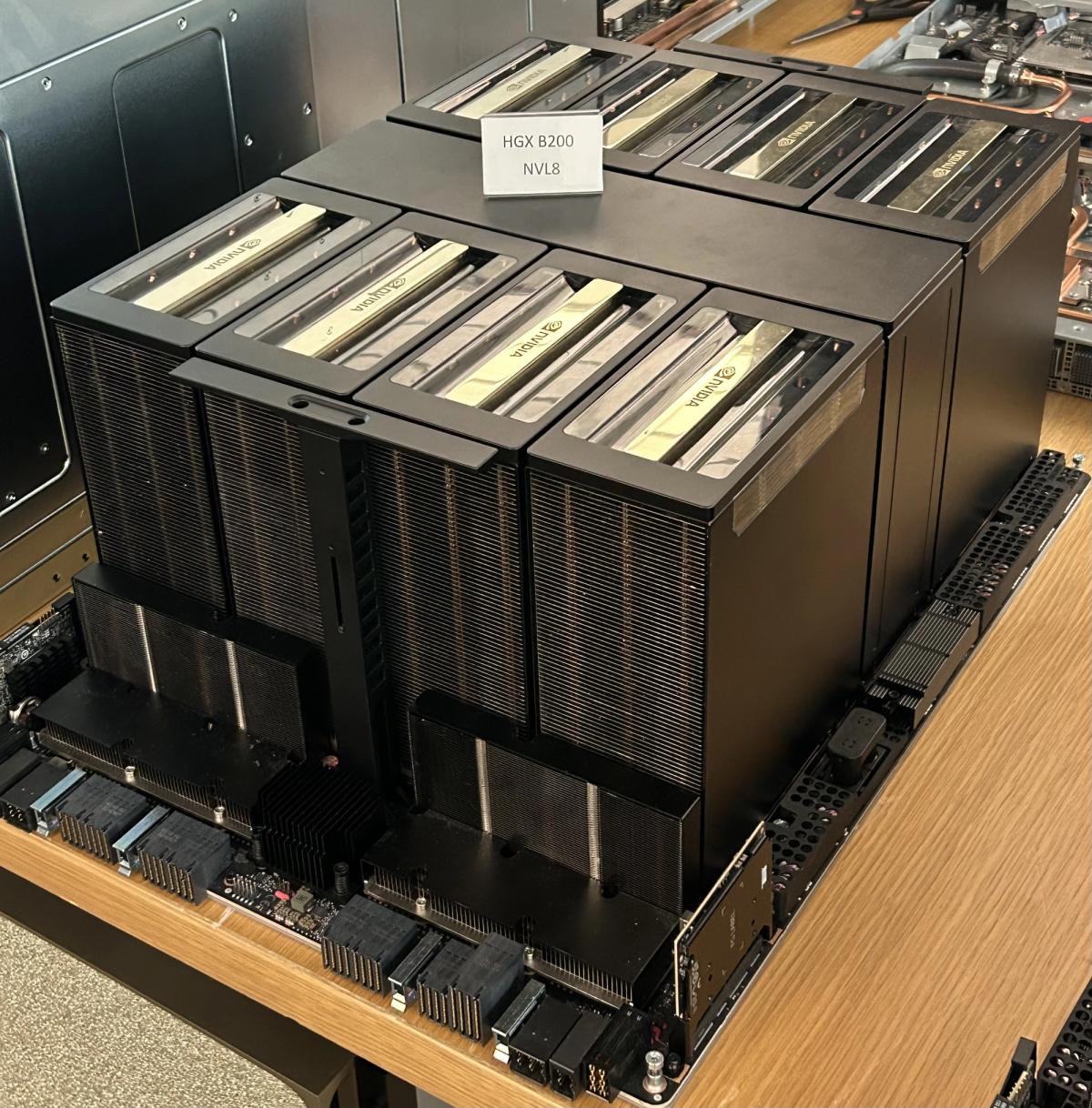
What made SK Hynix's debut noteworthy was the timing. Chip stocks have swung wildly through 2026, with some names doubling and others halving as the market tries to separate durable AI winners from overhyped also-rans. SK Hynix is not a speculative play, it is a fundamental supplier with pricing power and a clear moat in HBM manufacturing. Its ability to raise $26.5 billion in a single session suggests that institutional capital still views the AI supply chain as under-invested, not over-invested.
The Broader Market: Mixed Signals Beneath the Surface
For all the optimism in semiconductors, the weekly performance of the Dow tells a different story. A 0.5 percent loss for the blue-chip index, against a 1 percent gain for the S&P 500 and Nasdaq, indicates that the rally remains narrow. Financials and industrials did not participate with equal enthusiasm, and the rotation out of defensive sectors that many strategists predicted has not materialized in a clean way.
Q2 earnings season is approaching, and the market is entering it with elevated expectations for tech but tempered enthusiasm for the rest of the economy. The AI trade has become so dominant that it is pulling the entire S&P 500 higher, but the underlying breadth of the rally is thin. When the semiconductor sector catches a bid, the index rises. When chips sell off, the index stalls. That is not a recipe for a durable bull market, it is a recipe for a momentum-driven tape that can reverse just as quickly as it accelerates.
Oil prices may be the swing factor that tests this dynamic. If the Strait of Hormuz situation escalates further and Brent crude pushes back above $85, the relief that powered Friday's rally will vanish. The Federal Reserve is watching energy costs closely, and any sustained move higher in oil would complicate the rate-cutting narrative that has supported equity valuations. The ceasefire framework from mid-June has held in principle but frayed in practice, with tanker attacks continuing even as diplomatic channels remain open.
What the Data Actually Shows
Friday's close confirmed three things. First, the market's appetite for AI-related exposure is not satiated, SK Hynix's $26.5 billion listing was absorbed without indigestion, and the shares traded higher. Second, lower oil prices are the single most powerful near-term catalyst for equities, outweighing geopolitical headlines in the moment. Third, the breadth problem has not resolved. The S&P 500 rose 0.4 percent, but that gain was concentrated in a narrow slice of the market.
The question that Friday's session did not answer is whether the AI trade can broaden out into the rest of the economy, or whether it will continue to cannibalize attention and capital from every other sector. Earnings season will supply some data points. If companies outside of tech report margins squeezed by the very AI investments driving the chip stocks, the market may have to reconcile two contradictory narratives: AI as productivity enhancer versus AI as cost center.
That is the unresolved variable. The S&P 500 has priced in a soft landing, falling oil, and continued AI demand. It has not yet priced in the possibility that those three conditions are incompatible over a longer horizon.
Disclaimer: This article is for informational purposes only and does not constitute financial advice. Past performance is not indicative of future results. Consult a qualified financial advisor before making investment decisions.
Comments (0)
No comments yet. Be the first to share your thoughts.